
November 06 2026
The New Samosa Caucus: Two fresh Indian-American faces in the US House of Representatives
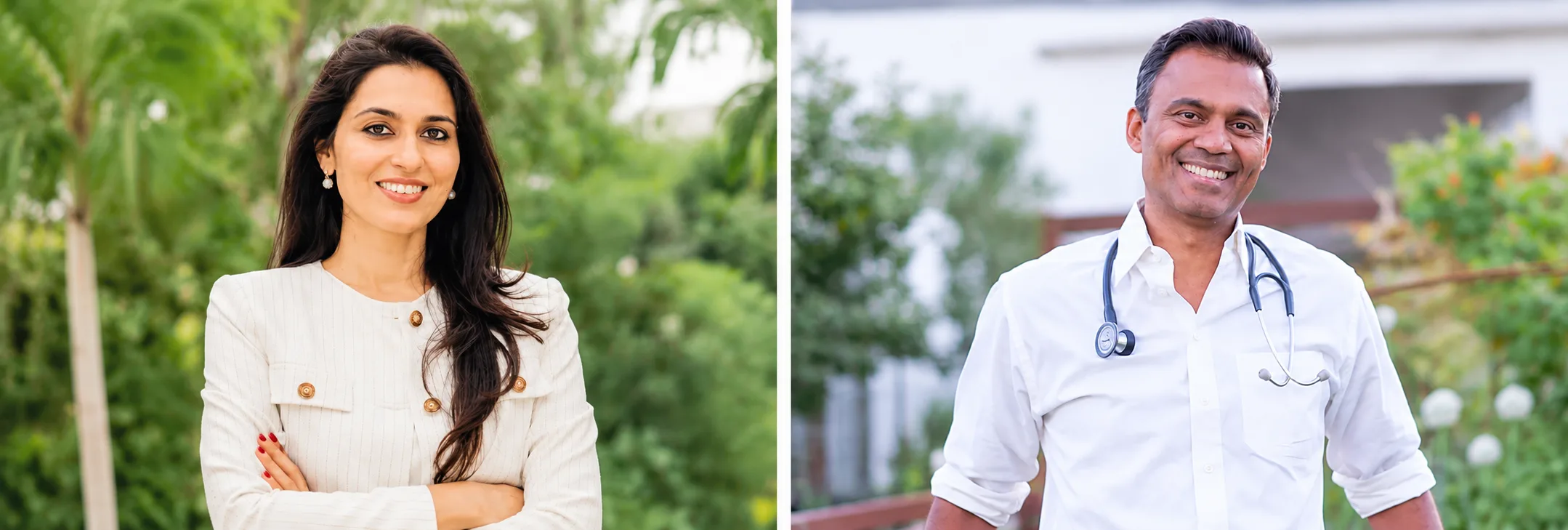
(Nov 6, 2026) The 2026 US midterm elections have brought four Indian-American lawmakers back to the House of Representatives and added two new faces to the informal grouping called the Samosa Caucus. Pia Dandiya of Florida and Dr. Amish Shah of Arizona join Ami Bera, Ro Khanna, Pramila Jayapal and Suhas Subramanyam, keeping the caucus at six members.
The Samosa Caucus is a light-hearted reference to the Indian snack and the shared heritage of Indian-American lawmakers in the US House. It was coined around 2018 by Congressman Raja Krishnamoorthi of Illinois. It is not a formally constituted congressional caucus, but an informal label for lawmakers of Indian origin in the US Congress.
The Samosa Caucus, as it stood in 2025, underwent changes during the recent election cycle. Raja Krishnamoorthi lost the Democratic primary for the Illinois Senate race, while Shri Thanedar was defeated in the primary for Michigan’s 13th Congressional District. Both were previously associated with the Samosa Caucus.
Four members secured re-election in November. California’s Ami Bera and Ro Khanna, Washington’s Pramila Jayapal and Virginia’s Suhas Subramanyam will return for another term. The two newcomers have different professional backgrounds. Dandiya, a former teacher, school principal and White House Fellow who later worked at Apple, won Florida’s 22nd Congressional District. Shah, an emergency medicine physician and former Arizona state legislator, flipped the state’s 1st Congressional District, defeating Republican Jay Feely. His victory makes him the first Indian-American to represent Arizona in the US House.
Beyond the Samosa Caucus: Other Indian-origin election winners
The midterms also brought victories for Indian-origin candidates in state and local government. Maryland Lieutenant Governor Aruna Miller won another term alongside Governor Wes Moore, while Texas Democrat Pooja Sethi won a seat in the state House. Wisconsin Attorney General Josh Kaul and Pennsylvania state Representative Arvind Venkat also secured re-election.
Although they add to Indian-origin representation in American politics, these lawmakers are not part of the Samosa Caucus. The informal label applies specifically to Indian-American members of the US House of Representatives, rather than politicians of Indian heritage elected to state legislatures, executive offices or local government.
Their victories nevertheless reflect the community’s growing presence across different levels of American public life.
Pia Dandiya: From the classroom to Capitol Hill
Pia Dandiya’s path to the US House has taken her from public school classrooms to federal policymaking and technology. The Democrat won Florida’s 22nd Congressional District in the November 3 midterm elections, becoming the first Indian-American elected to Congress from Florida.
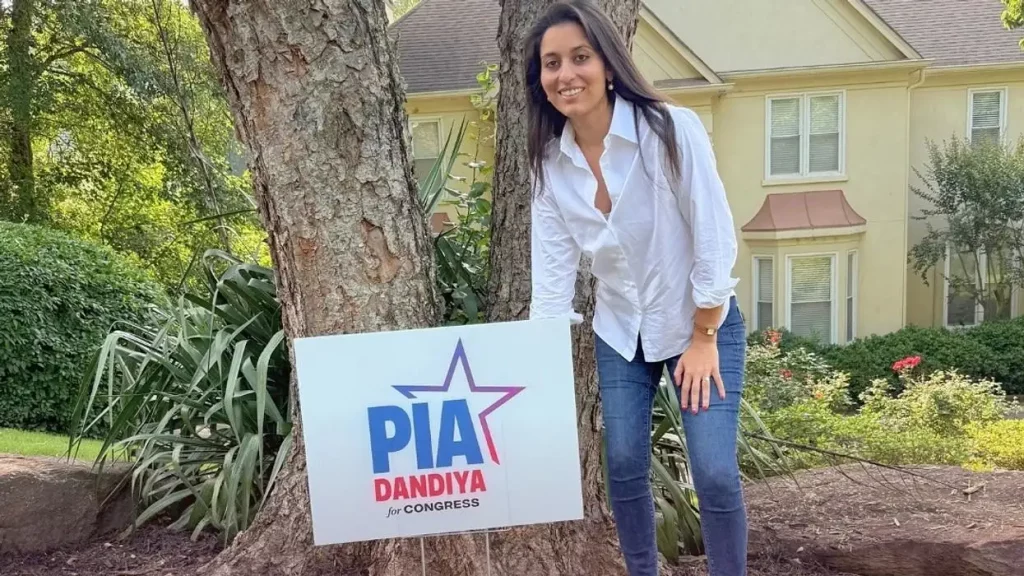
Born and raised in Palm Beach County, Dandiya is the daughter of Indian immigrants. Her campaign biography describes a career built around expanding educational opportunity and improving public institutions. She studied government at Harvard University and earned a master’s degree in education from Boston University.
Dandiya began her career as a teacher through Teach For America, working with students in middle and high schools. She later became the founding principal of Democracy Prep Endurance High School in Harlem, New York. Her work as a school leader focused on serving students from low-income families and helping them prepare for college.
Her career subsequently expanded beyond education. In 2020, she was selected as a White House Fellow and served at the US Department of Education. The fellowship gave her experience in federal policy and public administration.
Dandiya later joined Apple, where she worked on public-sector innovation. Her role involved partnering with state and local leaders to modernise systems and improve the delivery of services through technology.
Her campaign for Congress focused on affordability, public education and making government more responsive. She highlighted the pressures facing families in South Florida, including housing, insurance and everyday expenses. She also advocated for strong public schools and protecting access to healthcare.
Dandiya defeated Republican Casey Askar in Florida’s 22nd Congressional District, securing approximately 51.9 percent of the vote. The seat had been considered competitive, making her victory an important gain for Democrats.
Her election brings a background spanning education, federal service and technology to Congress. As she prepares to take office in January 2027, Dandiya’s career reflects a trajectory from working directly with students to seeking a role in shaping national policy.
Dr. Amish Shah: An emergency physician enters Congress
For Dr. Amish Shah, the journey to Capitol Hill has been shaped by medicine, public health and state-level politics. The Democrat won Arizona’s 1st Congressional District in the 2026 midterm elections, becoming the first Indian-American to represent the state in the US House.
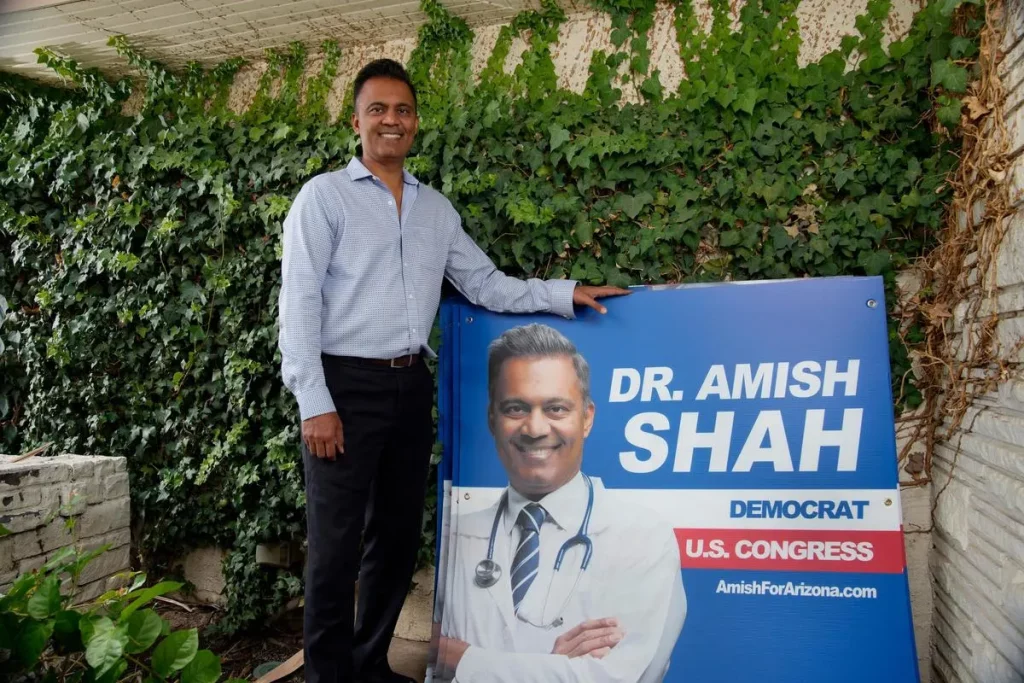
Born and raised in Chicago, Shah is the son of Indian immigrant parents who came to the United States in the 1960s. He attended Northwestern University, earning a bachelor’s degree in economics and a medical degree. He later completed a master’s in public health at the University of California, Berkeley.
Shah’s professional journey included strategy consulting before he entered medicine. He trained in emergency medicine in New York and worked as a physician, including in emergency care connected with the New York Jets. His medical and public health background has informed his focus on healthcare access and affordability.
He entered electoral politics in Arizona in 2018, winning a seat in the state House of Representatives. He served three terms, with work focused on healthcare, public health and safety, small businesses and teacher pay. His experience in the state legislature became a central part of his congressional campaign.
Shah had previously contested Arizona’s 1st Congressional District in 2024, losing to Republican David Schweikert. He returned to the race in 2026 after Schweikert ran for governor, leaving the seat open. The district was considered competitive. Shah faced Republican Jay Feely, a former NFL kicker who had President Donald Trump’s endorsement. The campaign featured debates over healthcare, costs of living and the candidates’ political positions.
Shah won the race with approximately 52.5 percent of the vote, flipping a Republican-held seat. His victory was called by the Associated Press on November 5. His campaign emphasised lowering healthcare costs, expanding access to coverage, addressing prescription drug prices and tackling Arizona’s water challenges. Shah also pledged to work across party lines and represent constituents regardless of how they voted.
His election adds a physician and former state legislator to the House. It also marks a milestone for Indian-American representation in Arizona, as Shah prepares to take his seat in January 2027.
The six members of the new Samosa Caucus
- Ami Bera — California | Re-elected
- Ro Khanna — California | Re-elected
- Pramila Jayapal — Washington | Re-elected
- Suhas Subramanyam — Virginia | Re-elected
- Pia Dandiya — Florida | New member
- Dr. Amish Shah — Arizona | New member



Written By: Amrita Priya
