
November 23 2026
Lisa Nandy, Britain’s culture secretary with Kolkata roots, backing women who report abuse in the media
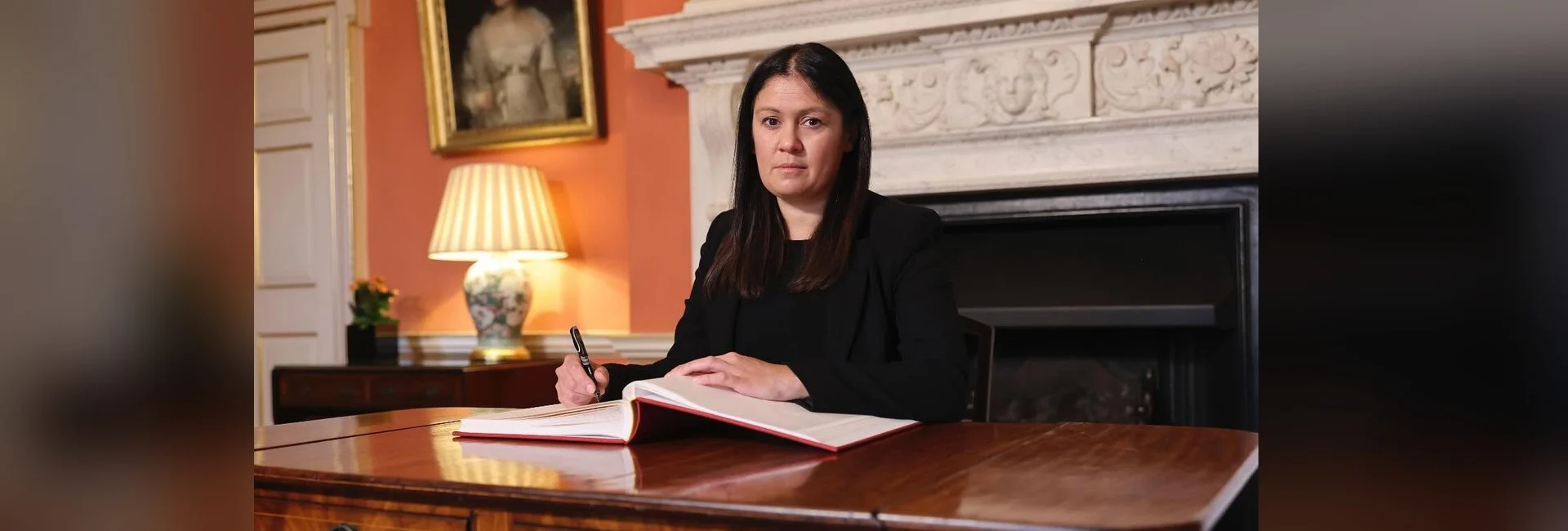
(Nov 23, 2026) Britain’s culture secretary Lisa Nandy, the Manchester-born daughter of a Kolkata academic, has urged the media industry to do more for women who report abuse. Her message caps a 16-year journey in Parliament shaped by family, public service and a steady concern for people with the least power.
Recently, Lisa sat down with Laura Kuenssberg on the BBC’s flagship weekend political interview show. As the Cabinet minister responsible for culture, media and sport, she had a direct message for broadcasters. “Time is up, it really is time for the media industry to take this seriously,” she said.
Her remarks came after comedian and television presenter Russell Brand was convicted by a British court recently for one count of rape and three counts of sexual assault.
A Bengali father and an English mother
Lisa Eva Nandy was born in Manchester, in north-west England. Her father, Dipak Nandy, left Calcutta for Britain in 1956 at the age of 20. He went on to campaign for racial equality and became the founding director of the Runnymede Trust, a think tank working on race equality.
Lisa has said her father advised the then Home Secretary, Britain’s interior minister, Roy Jenkins, and helped draft the country’s race relations law. He also knew Martin Luther King Jr and drew on lessons from the American civil rights movement. The family later moved to Manchester, where he helped set up the Equal Opportunities Commission, a body tackling discrimination.
Her mother, Luise, grew up in Surrey. She is the daughter of Lord Byers, who led the Liberal party in the House of Lords, Britain’s upper house, for 19 years.
Growing up between two cultures
Lisa has credited her mother and her uncle Prabir with keeping the children close to their Indian family. Relatives from India came to stay, and the family visited them.
In an interview this year, she recalled growing up during the racial tensions of 1980s Manchester, when far-right groups were active and families like hers felt targeted.
It’s impossible not to become political growing up in that sort of environment (of racial hostility in 1980s Manchester).
Lisa Nandy
After finishing school, she spent a six-month gap year in India. She stayed with family in Kolkata, travelled to Darjeeling to see her father’s old school, and went on to Delhi. A few years later, she returned to India with her father.
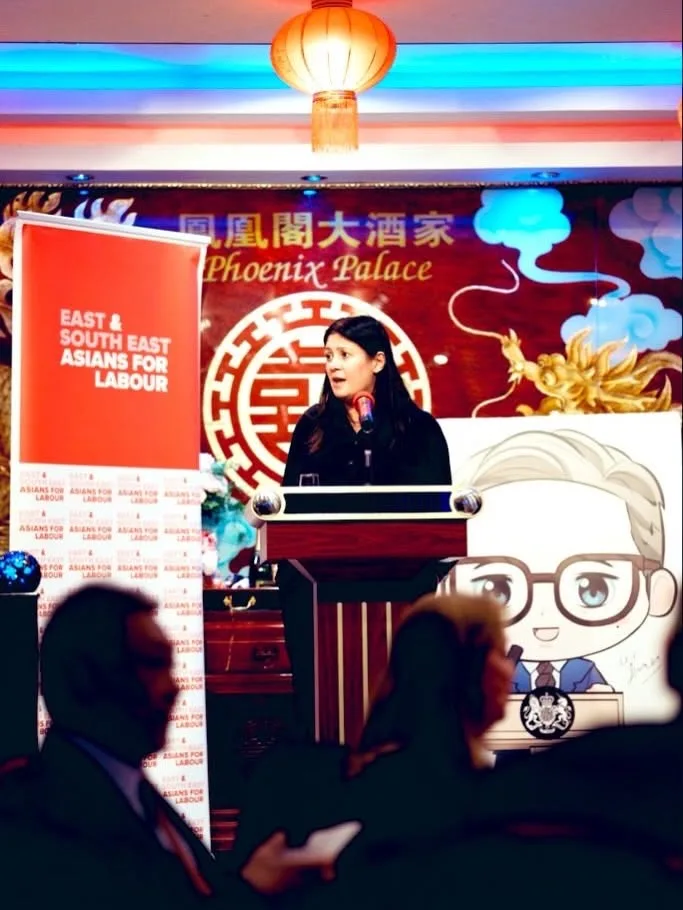
Early work with the homeless and young refugees
Lisa studied at Parrs Wood High School in Manchester and Holy Cross College in nearby Bury. She read politics at Newcastle University, graduating in 2001, and later completed a master’s in public policy at Birkbeck, University of London.
Her early jobs kept her close to the people that government policy affects. She worked on housing and homelessness for Neil Gerrard, a Labour Member of Parliament, then joined the homelessness charity Centrepoint. From 2005 to 2010 she was a senior policy adviser at The Children’s Society, focusing on young refugees.
She also served as a local councillor in the London borough of Hammersmith and Fulham from 2006 to 2010.
Wigan’s first woman MP
In 2010, the Labour Party chose Lisa as its candidate for Wigan, a former industrial town near Manchester. Labour had held the seat for more than a century. She won by 10,487 votes, becoming Wigan’s first woman and first Asian Member of Parliament (MP).
Voters there have re-elected her at every election since, most recently in 2024. The town shaped her politics. In 2018 she co-founded the Centre for Towns, a non-partisan research group studying smaller places often left out of national debate.
Rising through the opposition ranks
Between 2012 and 2024, while Labour was in opposition, Lisa held senior posts in its shadow team, the group of opposition MPs who each track a government ministry. Her briefs included energy, foreign affairs, housing and communities, and international development.
In 2020 she stood for the Labour leadership, arguing that the party needed to reconnect with towns like Wigan. She finished third behind Keir Starmer, who later became Prime Minister.
At the Cabinet table
When Labour won the 2024 general election, Lisa joined the Cabinet as Culture Secretary. The brief spans the arts, media, sport and heritage, a remit split across three ministries in India. She kept the post when Andy Burnham became Prime Minister in July 2026.
She has described herself as the first Labour Cabinet minister of Indian origin. She has spoken of a shared feeling among colleagues who are the first from their backgrounds to reach the Cabinet, and a duty to make sure they are not the last.
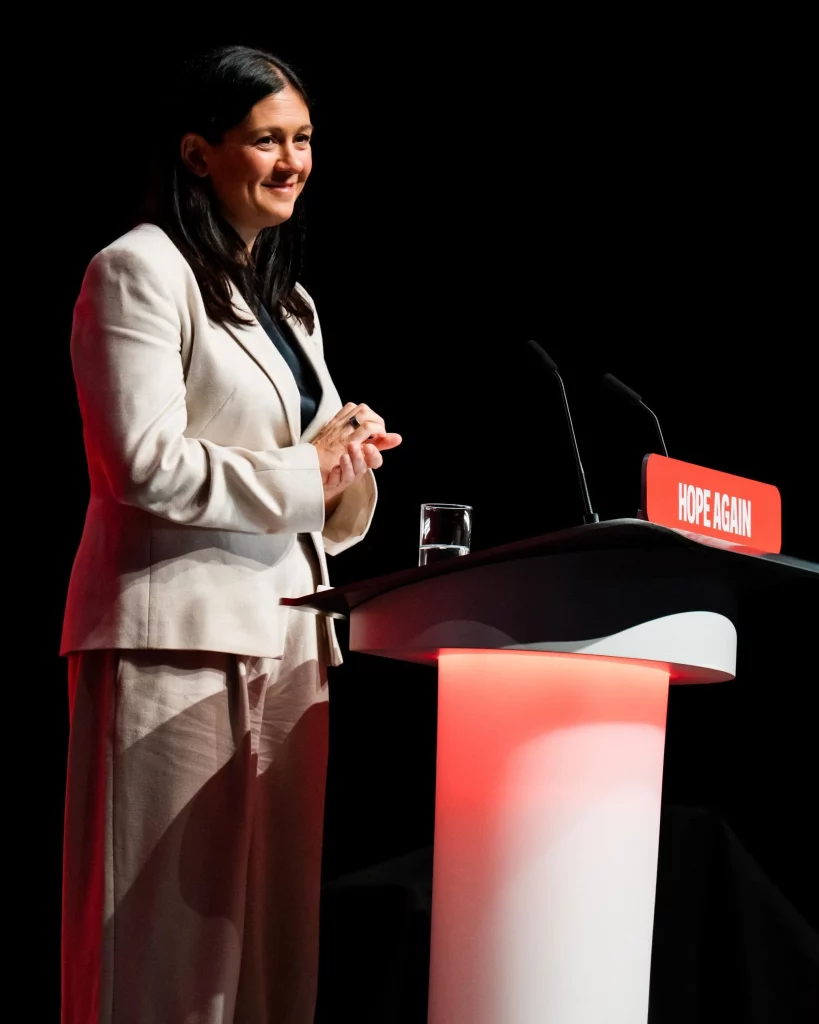
For Lisa, culture and representation are personal. She has recalled watching Gurinder Chadha’s 2002 film Bend It Like Beckham, about a British Punjabi girl who dreams of playing football. It was, she said, the first time she saw someone who looked like her and her friends shown on screen for her talent rather than her heritage.
In 2025 she led an arts delegation to India and signed a cultural cooperation agreement with Union Culture Minister Gajendra Singh Shekhawat. In Mumbai she gave a keynote address at the WAVES entertainment summit, visited Yash Raj Films studios and met women cricketers.
A message to the media industry
Lisa’s interview followed the Brand verdict and the cancellation of Married at First Sight, a reality show on the public broadcaster Channel 4, after the BBC reported rape allegations. Asked whether exploitation and abuse continue in the industry, she said institutions had been slow to change.
I do not see that much has changed in terms of the way that institutions in the media industry and across public life, including politics, deal with women who very bravely come forward to allege abuse.
Lisa Nandy
She pointed to power imbalances and short-term contracts, saying women who speak up in media and politics often have no protection and pay a “very heavy cost”. Since she joined the government, she said, “many people” in the industry, including at the BBC, had reached out “to allege that things have happened to them”.
Her assessment was frank. “Hand on heart, I can’t say to you as the culture secretary that this is not happening today. In fact, if I had to wager, I would say it is,” she said.
She also noted progress. Lisa called the BBC an “exemplar” for joining the Creative Industries Independent Standards Authority, the industry body set up to protect whistleblowers, and urged other organisations to follow. A BBC spokesperson said the broadcaster “has made a significant commitment to improve its culture, processes and standards”, including behaviour rules set after an independent review of its workplace culture last year.
Brand began as a stand-up comedian and became a household name in Britain hosting Big Brother’s Big Mouth, a spin-off of the reality show Big Brother, and presenting on BBC radio. The BBC has restated its apology to staff who felt unable to raise concerns about him while he worked there between 2006 and 2008. Channel 4, which aired Big Brother at the time, said it recognised the “profound impact of these crimes”.
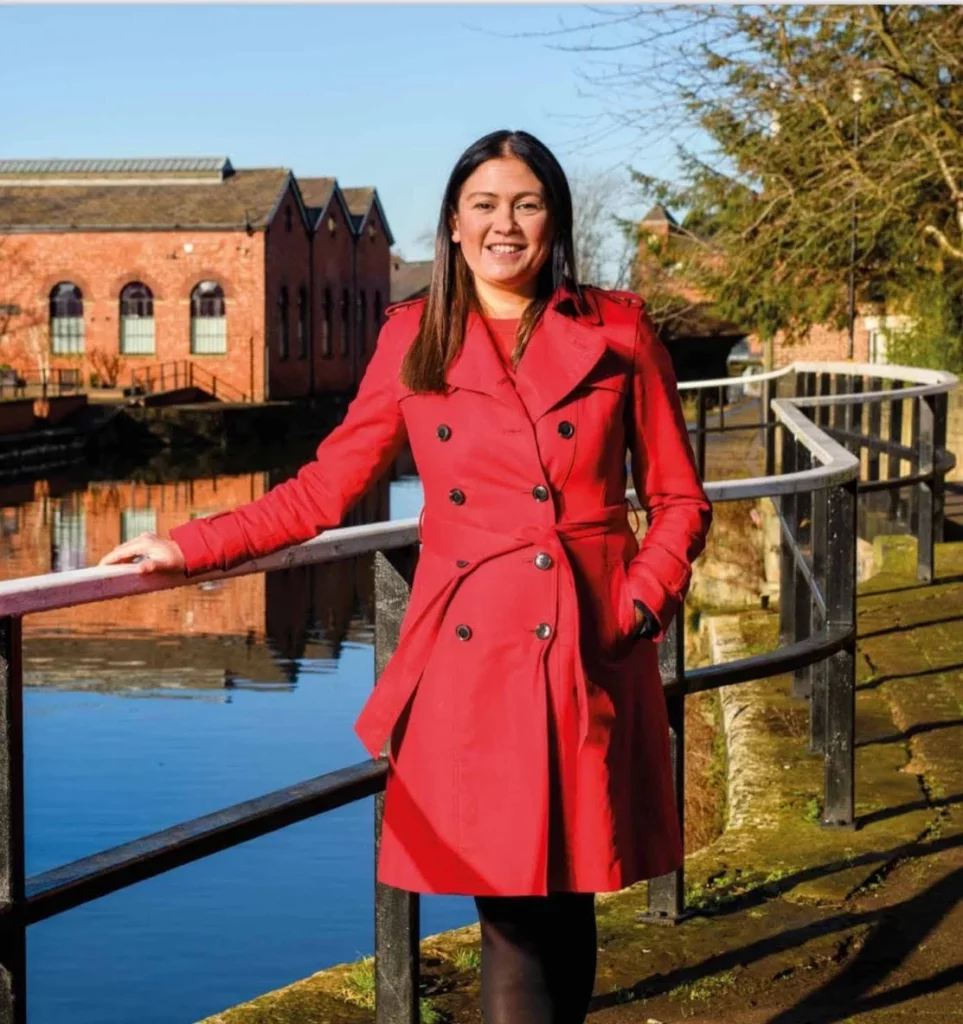
Opening doors for those who follow
Lisa has said her father once told her that every generation must take up the fight for progress again, because it is never won for good. She says she has taken that advice to heart.
That idea runs through her journey, from her father’s work on equality to her years with homeless young people and refugee children. Her words on Sunday carried it to women working in Britain’s media. For readers across the Indian diaspora, her path from a Bengali-English home in Manchester to the Cabinet table is a story of heritage carried with confidence and put to work for others.
ALSO READ: Suella Braverman: The Indian-origin British politician who says she is not English


Written By: Amrita Priya
Suella Braverman: The Indian-origin British politician who says she is not English

Written By: Amrita Priya