June 29 2026
Dr Amit Verma: Bringing world-class precision oncology to India’s cancer patients

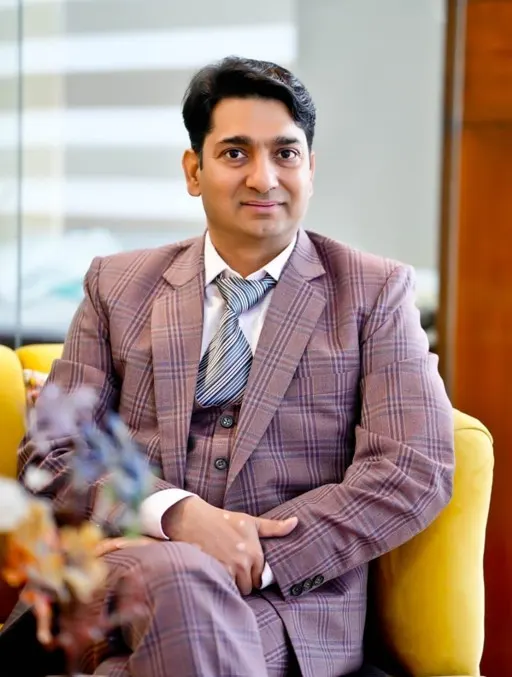
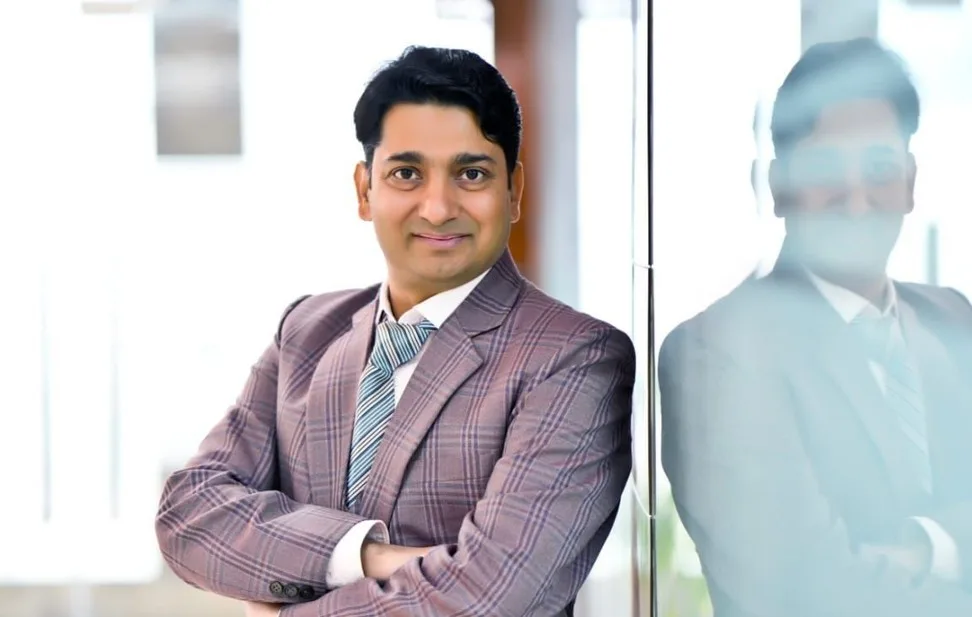
(Jun 29, 2026) Having trained in India, the United States, the United Kingdom and Switzerland, Dr Amit Verma, a pioneer in precision oncology and personalised cancer treatment has dedicated his career to bringing world-class cancer care to Indian patients.
When a patient with an extremely rare tumour subtype walked into medical oncologist Dr Amit Verma’s consultation room, he realised there was no textbook solution for the case.
Instead of relying solely on conventional protocols, the multidisciplinary team led by Dr Verma integrated pathology, molecular profiling, imaging findings and available international literature to design a highly individualised precision oncology treatment plan. It required continuous reassessment, as every stage of treatment generated new insights.
Although challenging, the patient ultimately responded well. “Cases like these often remind me that oncology is both a science and an art,” says Dr Amit Verma, Founder and Director of Dr AV Institute of Personalized Cancer Therapy and Research, Gurgaon, in conversation with The Global Indian. “Cancer is not one disease. Every tumour carries its own biological identity, and every patient deserves a treatment designed specifically for that biology,” he remarks.

Beyond the Microscope
Walk into Dr Amit Verma’s consultation room and one quickly realises that this is not a conventional oncology clinic. Conversations here extend beyond scans and chemotherapy schedules to genes, molecular signatures, biomarkers, targeted therapies, immunotherapy, artificial intelligence and, above all, hope.
While oncology traditionally focused on identifying where a tumour originated, modern precision medicine tries to answer why the tumour developed in the first place and what is driving its growth. “That single shift in perspective has transformed the future of cancer treatment.”
In the US
After completing his MD residency at AIIMS, New Delhi in 2004, Dr Verma joined the UT MD Anderson Cancer Center in Houston, Texas, for a Fellowship in Experimental Therapeutics and Cancer Medicine.
“It is one of the world’s leading cancer centres, where research and clinical practice exist side by side. Working there was transformational,” says Dr Verma, who witnessed how discoveries made inside laboratories rapidly translated into clinical trials and eventually became routine patient care.
Multidisciplinary Culture
Researchers, surgeons, pathologists, molecular biologists, statisticians and clinicians all worked together with a single objective—improving patient outcomes. “That multidisciplinary culture left a lasting impression on me,” he remarks.
Later, during his internship at UT Health Science Center in Houston, he also experienced one of the world’s most structured healthcare systems, where clinical decision-making relied heavily on evidence, protocols and multidisciplinary discussions.
Philadelphia
His advanced training in Molecular Oncology at Sidney Kimmel Cancer Center in Philadelphia further deepened his understanding of personalised cancer care. This was a period when genomic medicine was beginning to reshape oncology worldwide.
Learning directly from experts who were building the future of precision medicine was both inspiring and humbling.
Dr Amit Verma
In the UK
Dr Verma completed his MRCP from the Royal College of Physicians, London, in 2023 and subsequently obtained the Medical Oncology Specialty Certificate Examination from the same institution, reinforcing systematic clinical thinking. “British medical education emphasises structured assessment, evidence-based decision-making and continuous professional development. These qualities remain essential regardless of where one practises medicine.”
Switzerland
The European Society for Medical Oncology (ESMO) exposed him to international consensus guidelines and collaborative oncology research across continents.
“One of the greatest lessons I learnt abroad was that excellence in healthcare is never achieved by individuals alone; it is created by teams,” says the renowned oncologist, who received the Young Scientist Award in 2007 from the American Association of Indian Scientists in Cancer Research.
A vision beyond treatment
Upon returning to India after his international training, Dr Verma did not simply want to practise medical oncology; he wanted to help transform cancer treatment in India.
He says India possesses exceptional clinical talent and the challenge has never been the quality of doctors. It is about ensuring that cutting-edge cancer diagnostics, genomic technologies and precision medicine become accessible to every patient—not just in major metropolitan centres.
‘Cancer is Intelligent’
Dr Verma describes cancer as extraordinarily intelligent—constantly evolving, adapting and developing resistance to treatment.
“Understanding its molecular pathways became an intellectual challenge that eventually became my life’s work.” When he began his career, oncology largely depended on surgery, chemotherapy and radiation. “Today, we routinely discuss biomarkers, next-generation sequencing, comprehensive genomic profiling, liquid biopsy, targeted therapies and immunotherapy. The field has undergone nothing short of a revolution.”
Curious child
As a child, Dr Verma was fascinated by how things worked—whether it was understanding why leaves changed colour, how the human heart kept beating without stopping, or why diseases affected different people differently.
“I was curious and constantly asked questions,” recalls Dr Verma, born on October 2, 1977, in Delhi. Education occupied an important place in his upbringing. “There was never pressure to pursue medicine specifically, but there was certainly encouragement to excel in whatever path I eventually chose.”
He enjoyed biology, chemistry and mathematics, but also appreciated literature because it helped him understand people. Medicine gradually emerged as the ideal profession because it combined everything that fascinated him—science, lifelong learning, research and the opportunity to help others.
The years spent pursuing his MBBS at SMS Medical College, Rajasthan, strengthened that conviction. “Medical education was demanding, but it also taught me discipline, resilience and humility.”
At AIIMS
His years at AIIMS introduced him to rigorous academics, disciplined clinical training and the importance of scientific thinking. “AIIMS nurtures curiosity. It teaches doctors not simply to follow textbooks but to question existing knowledge and contribute to advancing it.”
Dr Verma received the Geeta Mittal Gold Medal in 2005 for Best Resident in Oncology at AIIMS.
The reality
Dr Verma says there is no denying that cancer has emerged as one of the biggest healthcare challenges of the 21st century. Across the globe, the number of people diagnosed with cancer continues to rise, and India is no exception.
However, he points out that when people hear cancer cases are increasing, they often assume something extraordinary is happening.
“The reality is more nuanced.” Firstly, people are living longer than ever before. Since cancer is largely associated with ageing, longer life expectancy naturally results in more cases.
He also points out that improved cancer diagnostics now detect many cancers that may have gone unnoticed two or three decades ago. India today reports over a million new cancer cases every year, and the number continues to grow.
Survival rates
Yet survival rates have improved dramatically. Earlier, many cancers were considered almost untreatable once they reached an advanced stage.
Today, patients with certain advanced cancers can live productive lives for many years because of targeted therapy, immunotherapy and precision medicine.
Dr Amit Verma
Challenges
Patients with apparently identical cancers may experience completely different outcomes because their tumours are biologically different.“This unpredictability is precisely why precision medicine has become so valuable.” Understanding tumour genetics allows doctors to make more informed treatment decisions.
Accessibility
Another challenge is accessibility, as many advanced cancer diagnostics, genomic tests and targeted therapies remain expensive. “As physicians, we constantly strive to identify treatments that provide the greatest benefit while remaining practical for patients and families.”
Misconception
One of the biggest misconceptions people have is that cancer develops suddenly.
It rarely does. Most cancers develop silently over many years before symptoms appear. That is precisely why cancer screening and early detection are so important.
Dr Amit Verma
Unfortunately, many patients in India still visit an oncologist only after symptoms become severe. “Early diagnosis is the key.”
Are cancers hereditary?
“The answer is both yes and no.” Most cancers are not inherited. The majority develop because of acquired genetic changes that occur over a person’s lifetime due to ageing, environmental exposure and lifestyle factors. Around 5–10 percent of cancers, however, are hereditary.
Genetic Counselling
Dr Verma emphasises the importance of genetic counselling. “If multiple members of a family have developed cancer, especially at a young age, genetic evaluation can identify high-risk individuals long before cancer develops.” Preventive strategies, he says, can dramatically reduce future risk in many cases.
Cancer Profile
The cancer profile in India differs slightly from Western countries. Among women, breast cancer is the most commonly diagnosed cancer, followed by cervical and ovarian cancers.
Among men, oral cancer remains highly prevalent because of tobacco chewing and smoking, while lung, prostate and colorectal cancers are also increasing. Dr Verma is particularly concerned by the rising incidence of cancer among younger adults.
The Future
Dr Verma believes the future of oncology will not be determined merely by developing newer drugs, but by identifying which drug the patient needs at precisely the right time. India, he says, has made remarkable progress over the past decade.
Today we have access to world-class cancer centres. The quality of Indian oncologists is recognised globally.
Dr Amit Verma
One of the biggest priorities now is ensuring equitable access, especially for patients in smaller towns. He believes artificial intelligence, digital pathology, telemedicine, virtual molecular tumour boards and genomic databases have the potential to democratise specialised cancer care across the country. “Another important area is public awareness.”
Research
Beyond clinical work, Dr Verma devotes significant time to research and mentoring young doctors. Over the years, he has contributed to numerous cancer research publications, clinical trials, scientific conferences and educational initiatives.
“Receiving a United States patent in cancer therapeutics was one of the memorable milestones of my career because it represented years of collaborative scientific effort.”
Staying Healthy
Dr Verma believes in moderation rather than extreme routines. His approach includes a balanced diet, regular physical activity, adequate hydration and sufficient sleep. “Regular health check-ups and mental wellness are equally important,” he signs off.
- Follow Dr Amit Verma on LinkedIn
ALSO READ: Dr Vijay Anand Reddy: The oncologist who set aside a future abroad to uplift cancer care in India
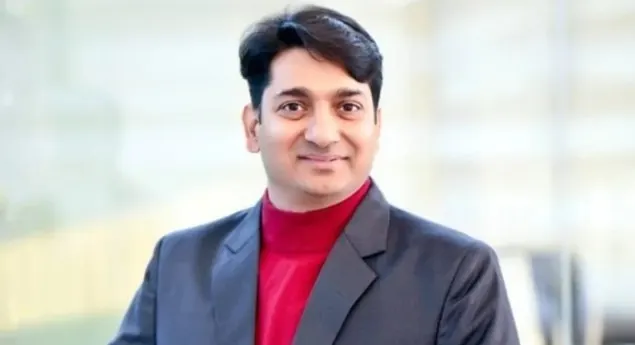
Dr Amit Verma
| Born | Oct 2, 1977, Delhi, India |
| Based | Gurugram, Haryana, India |
| Studied | SMS Medical College, Jaipur | AIIMS, Delhi | UT MD Anderson Cancer Center, Houston | UT Health Science Center, Houston | Sidney Kimmel Cancer Center, Philadelphia | Royal College of Physicians, London | European Society for Medical Oncology, Switzerland |
| Languages | Hindi, English |
Signature work
A pioneer in precision oncology Dr Amit Verma has helped advance personalised cancer treatment in India by integrating molecular profiling, genomic medicine and multidisciplinary care into clinical practice.
Idea
To make precision oncology and personalised cancer treatment accessible in India by integrating molecular diagnostics, genomic profiling and multidisciplinary care into routine cancer management.
Network
Built expertise across leading institutions including AIIMS, MD Anderson Cancer Center, UTHealth Houston, Sidney Kimmel Cancer Center, the Royal College of Physicians (London) and ESMO, while collaborating with clinicians, researchers and cancer centres globally.
Impact
Has helped advance molecular oncology and cancer genetics in India through leadership roles at Max Healthcare, MolQ Health Services, Karkinos Healthcare and the Dr AV Institute. His work has contributed to improving personalised cancer care, clinical research, precision diagnostics and targeted treatment strategies for patients.
Giving Back
Beyond clinical practice, Dr Verma mentors young doctors, contributes to cancer research, clinical trials and scientific publications, and works to expand awareness and access to genomic medicine and precision oncology across India.
Inspired by Dr Amit Verma 's journey?
Yours follows the same Hero's pattern — Separation, Initiation, Transformation, Return.
Share with



Written By: Vikram Sharma