
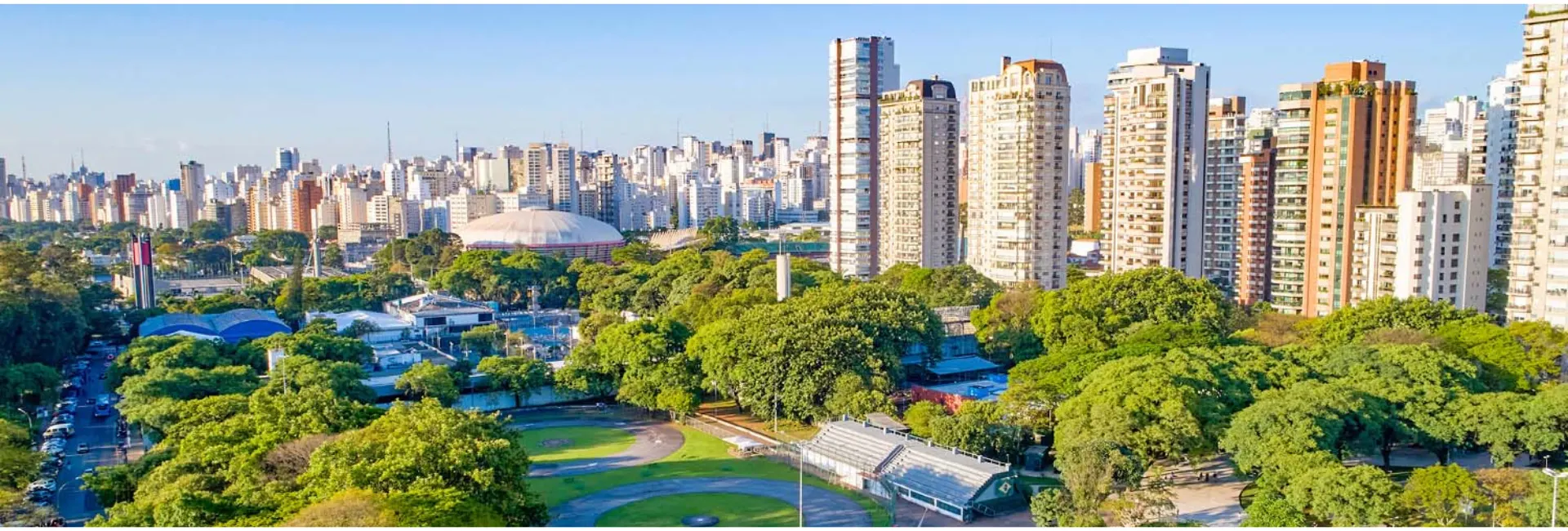


São Paulo, Brazil, ZIP Code: 04038-001
Ten years ago, I left Noida with a newly issued passport, and a software engineering job offer that none of my relatives fully understood. Most people expected someone in tech to move to Bengaluru, Dubai, maybe Toronto if they were lucky. Brazil was not on anybody’s list.
At the time, even I knew very little about São Paulo beyond football, Carnival, and the fact that it was the financial centre of Brazil. What I discovered instead was a city larger, louder, and far more intense than anything I had imagined.
I still remember driving out of São Paulo–Guarulhos International Airport after nearly a full day of travel from Delhi. Endless apartment towers stretched across the horizon. Traffic crawled through giant avenues even past midnight. Back home, my life had been organised and familiar. Office parks in Sector 62. Weekend dinners with family in Delhi. Quick drives on the Noida Expressway. The predictable rhythm of NCR life. São Paulo arrived like sensory overload.
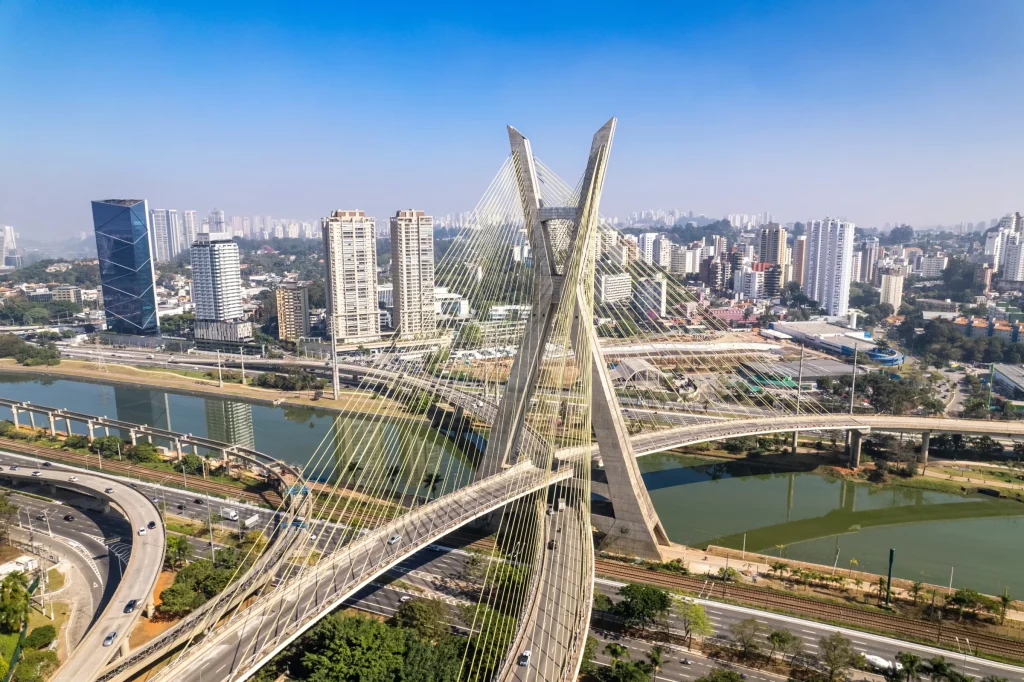
São Paulo
A city that belongs to everyone
What surprised me most was how international the city felt. São Paulo does not resemble the beach-filled image many outsiders associate with Brazil. Instead, it feels like dozens of cities layered into one. Entire neighbourhoods carry the influence of immigrant communities that arrived generations ago.
In Liberdade, Japanese lanterns hang above crowded streets lined with ramen shops and Asian grocery stores. Brás is packed with textile markets and wholesale stores that seem permanently busy. Old Italian bakeries sit beside Lebanese cafés, Korean supermarkets, and Brazilian bars playing samba late into the night.
Coming from Noida, where life often revolves around work schedules, malls, gated societies, and familiar social circles, the anonymity of São Paulo took time to understand. Nobody cared where you came from. Everyone seemed focused on getting somewhere else.
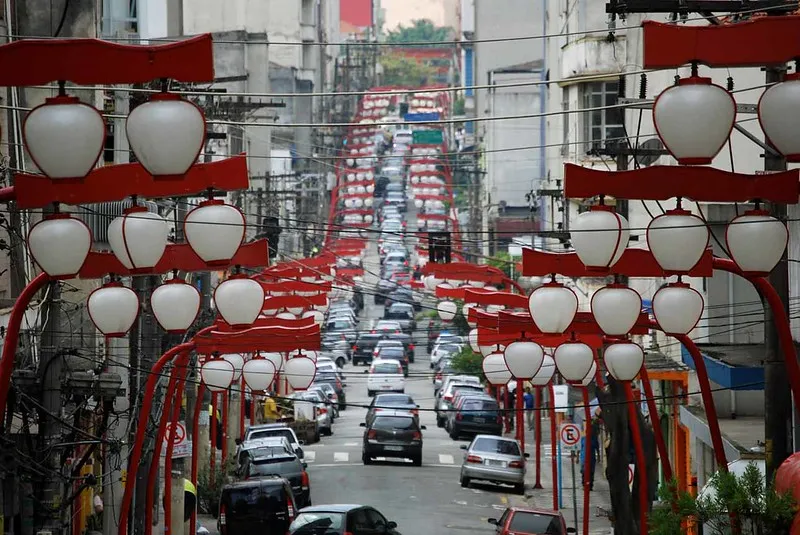
Liberdade, São Paulo
For months, my world was small
I learned Portuguese slowly and badly. I once accidentally ordered beef pastries at a café because I misunderstood a menu description and only realised after my colleagues started laughing. Another time I boarded the wrong metro line and ended up nearly an hour away from home with five percent phone battery left. But little by little, the city opened itself up.
Building a life far from home
I started spending Sundays walking through Avenida Paulista after it closed to traffic. Musicians performed on corners. Street artists sold paintings beside political activists handing out flyers. Cyclists, tourists, office workers, old couples, teenagers — the whole city seemed to spill onto the avenue at once.
I also found places where São Paulo slowed down slightly. Ibirapuera Park became my favourite escape from the city’s noise. On weekday evenings, runners circled the lakes while people sat under trees reading or listening to music. During jacaranda season, parts of the park turned completely purple.
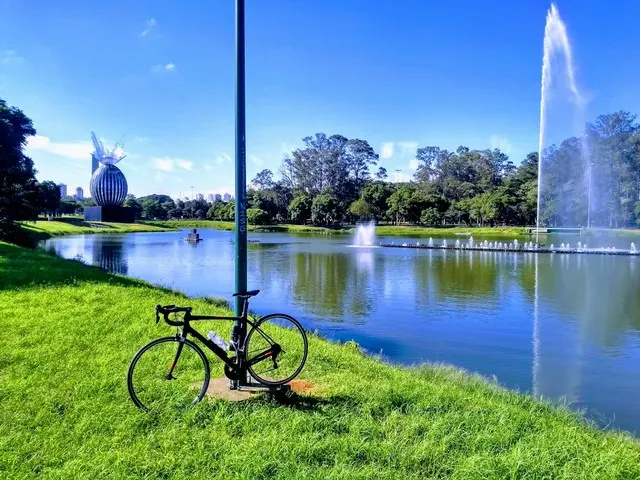
Ibirapuera Park, São Paulo
The Indian community here was much smaller when I first arrived. Most of us worked in technology, finance, consulting, or engineering. WhatsApp groups became essential survival tools — where to find spices, which stores stocked basmati rice, who was travelling from India and could bring achar or Haldiram snacks.
Diwali felt especially strange during those early years abroad. Back home in Noida, the festival meant crowded markets, lights across every balcony, card games with cousins, sweets arriving from neighbours, and traffic somehow becoming even worse than usual. In São Paulo, a few of us gathered in a friend’s apartment after work with homemade food and diyas bought from a small Indian store. Someone played old Bollywood songs from a laptop speaker while we video-called our families back home.
The city changed me too
Living in São Paulo changed my understanding of ambition and identity. People here reinvent themselves constantly. The city is exhausting, chaotic, unequal, creative, and deeply alive all at once.
I learned fluent Portuguese after years of embarrassment and trial-and-error conversations. I made close Brazilian friends who introduced me to football culture, samba clubs, and long weekend churrasco gatherings that lasted entire afternoons. I learned that in São Paulo, people may appear hurried, but friendships once formed are surprisingly warm and loyal.
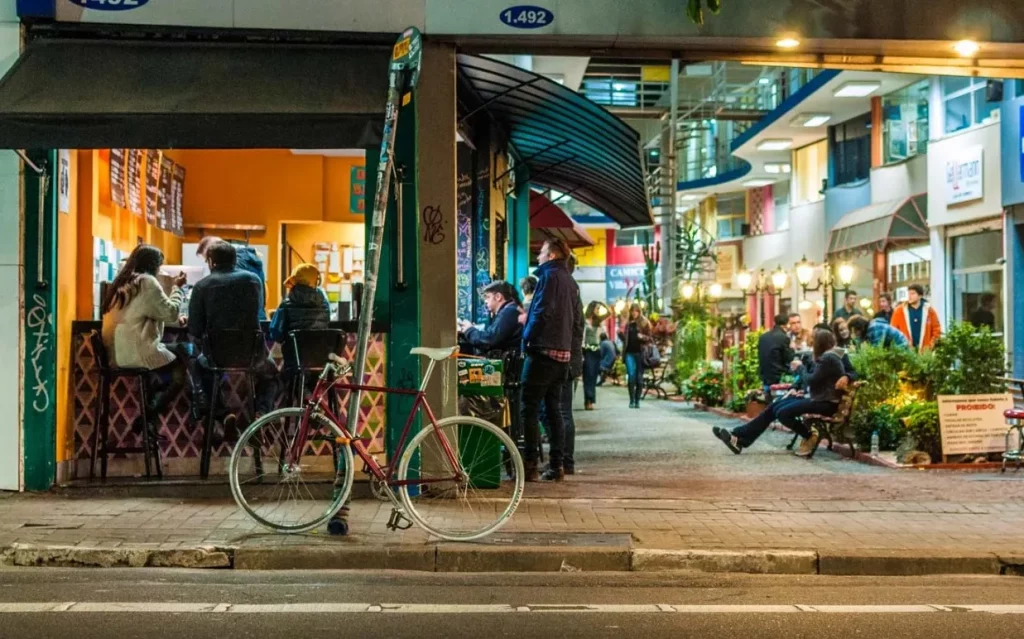
A street in São Paulo
There were difficult years too. Missing weddings back home because flights were expensive. Watching family milestones through video calls. Feeling the distance most sharply during ordinary moments rather than dramatic ones.
Yet slowly the city became familiar. I now have a preferred bakery near Consolação station, know which metro coach empties closest to my office exit, and drink Brazilian coffee stronger than anything I touched back in Noida. My playlists move easily between Hindi music and Brazilian samba.
A decade later, Noida still feels like the place that shaped me — winter mornings wrapped in fog, late-night chai stalls, family dinners that run longer than planned, the strange comfort of NCR traffic that once irritated me endlessly. But São Paulo shaped the version of me that came afterward.
Every Sunday, I still call my parents while traffic hums outside my apartment window and helicopters cross the skyline overhead. Sometimes samba music drifts up from the street below while I speak Hindi into the phone.
- Check out more neighbourhood stories on Global Indian