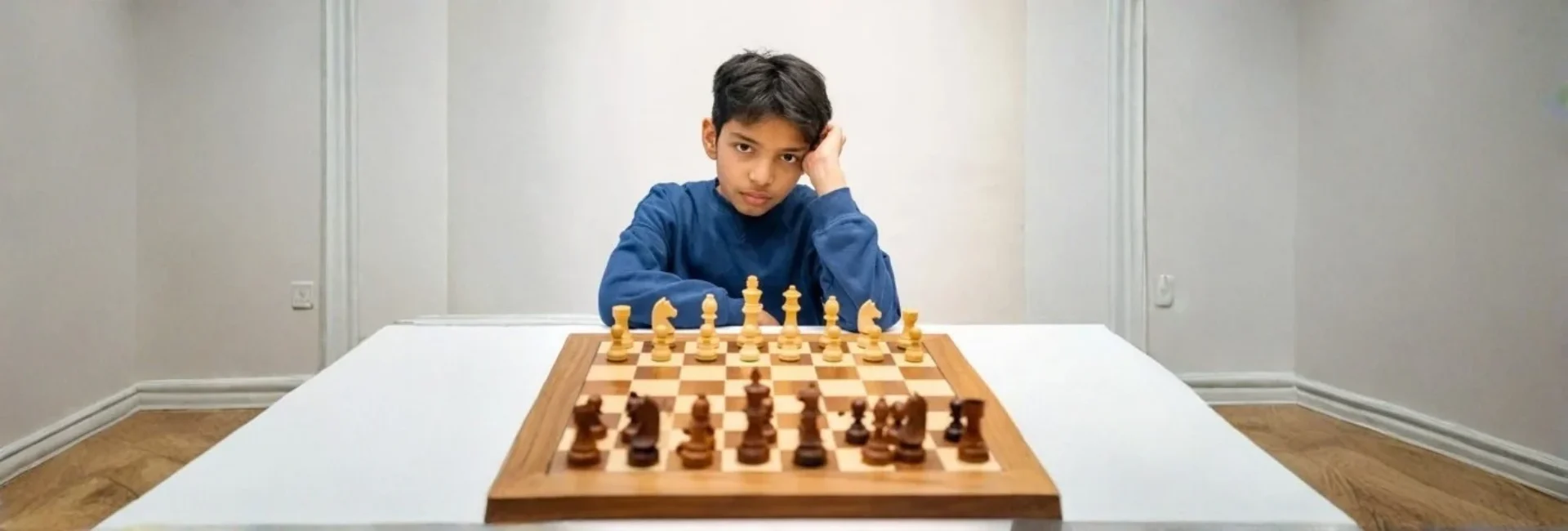


(Oct 11, 2026) At just 12, the London-based Indian-origin chess prodigy has made history as the UK’s youngest International Master, earning a coveted FIDE title. “No matter how many pawns you have in an attack, you always need enough pieces to make the attack successful,” Supratit Banerjee tells The Global Indian. His insight into the game reflects the patience, planning and strategic thinking behind this remarkable achievement.
Born in Ranchi, India, and raised in Britain, Supratit has reached a milestone that many chess players spend years pursuing. He secured his third and final International Master norm at the 2026 British Chess Championship, scoring six points from nine games against a strong field. His performance rating of 2503 included victories over two International Masters. He subsequently crossed the required FIDE classical rating of 2400 in Sweden, completing the playing requirements for the title. His current classical rating is 2420.
For readers unfamiliar with competitive chess, the International Master title is one of the sport’s highest distinctions, ranking below Grandmaster. Achieving it at 12 makes Supratit’s accomplishment particularly remarkable. Yet, alongside tournament preparation and international travel, he remains a Year 8 pupil at Sutton Grammar School, balancing homework with his chess commitments and other interests.
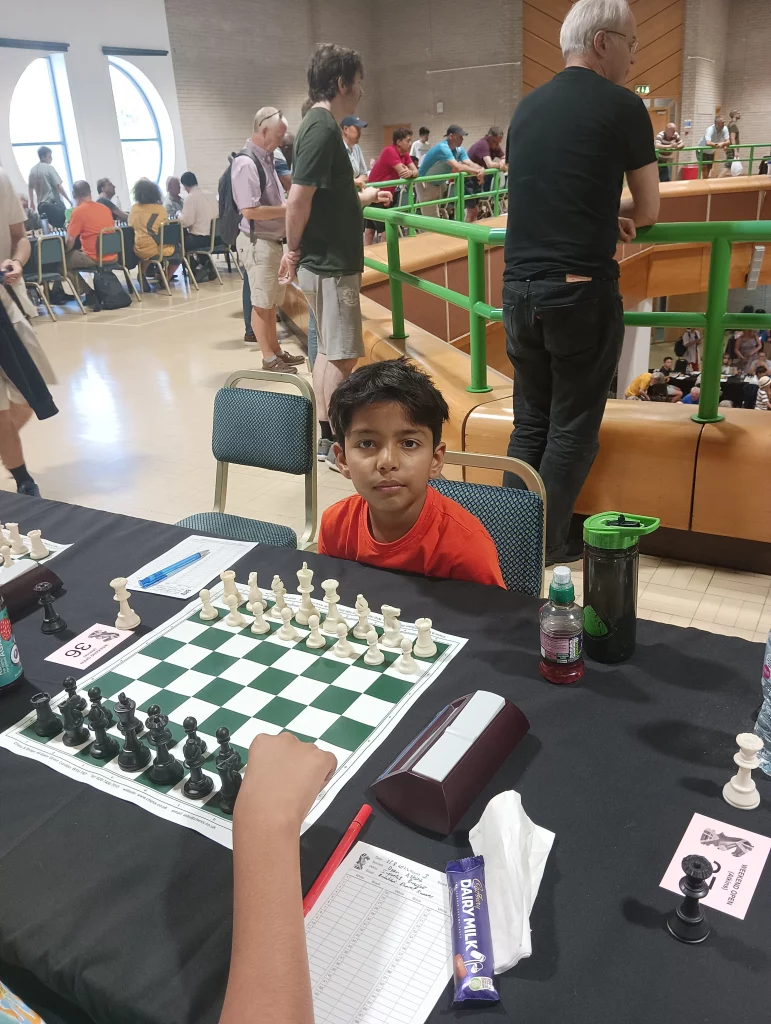
Supratit in the initial years of his competitive chess journey
Supratit’s journey began with a simple introduction at home. “My daddy first introduced me to chess. He taught me the basic rules, like how the different pieces move and how the game works,” he recalls. His coach, Lenzie subsequently helped him understand how chess was played beyond the basics and encouraged his interest in the game.
What began with learning how each piece moves has developed into a pursuit that takes him across countries, into elite training camps and across the board from some of the strongest players in the game.
From learning the pieces to taking on Grandmasters
One of Supratit’s most memorable games came at the Menorca Chess Open in 2026, when he defeated Grandmaster Artem Uskov. The victory gave him a lesson he has carried forward.
“One thing I learned from that game was that no matter how many pawns you have in an attack, you always need enough pieces to make the attack successful,” he says.
The idea is easy to appreciate even outside chess. An attack may look promising, but enthusiasm alone cannot make it work; the right resources must be in place. For Supratit, the game reinforced the importance of coordinating his pieces rather than relying on pawns alone.
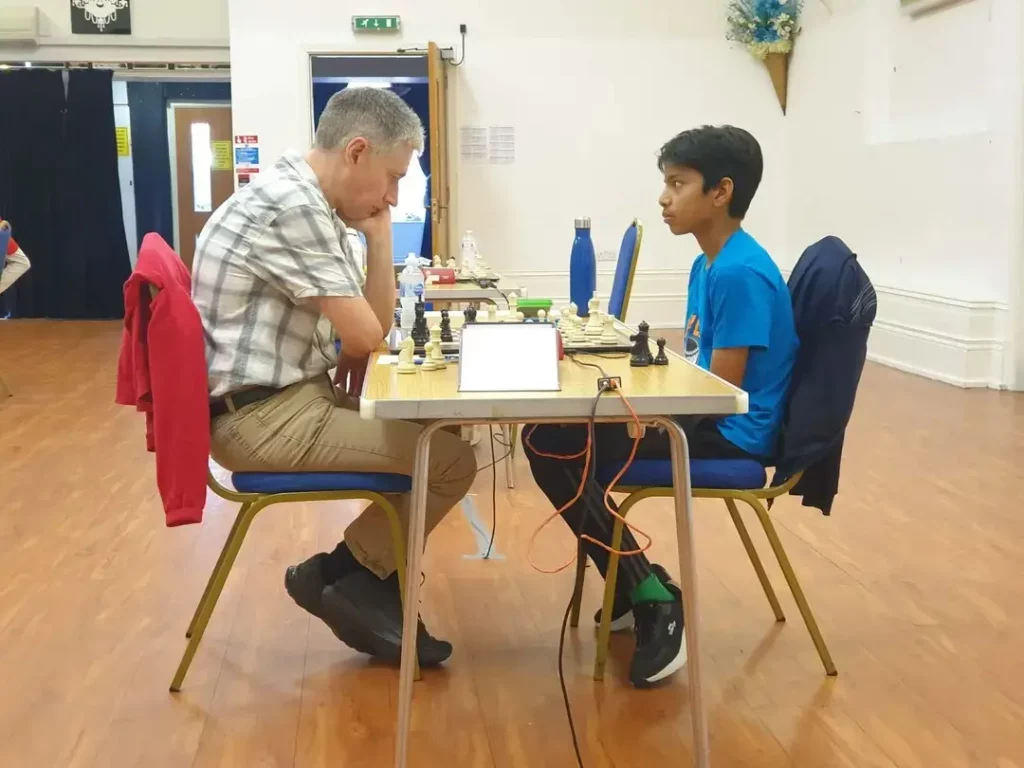
Supratit at WoodGreen Invitational GM Norm Tournament 2026
A breakthrough year on the chess circuit
Supratit’s International Master title followed a series of strong results in 2026. At the British Chess Championship, he scored six out of nine points, recorded a performance rating of 2503 and defeated two International Masters. He also drew against Grandmaster Ameet Ghasi.
At the Sheffield IM Norm Tournament, he finished joint first with 6.5 points out of nine. He won the ChessKid U13 Youth Championship and finished joint third at the British Rapid Championship.
His earlier results point to a steady rise. In 2023, he won bronze medals at both the FIDE World Cadet U10 Championship and the FIDE World Cadet U10 Blitz Championship. In 2022, he finished fourth at the FIDE World Cadet U8 Championship.
Learning from a chess legend
In 2026, Supratit was invited through the English Chess Federation to attend training camps organised by the Kasparov Chess Foundation, bringing together elite young players from Europe.
The first qualifying camp, held in Munich, lasted two days. The next took place in Zagreb, where former world champion Garry Kasparov came to teach the participants.
“That was an amazing experience, especially getting the opportunity to talk to one of the greatest players in chess history,” Supratit says.
The invitation arrived just weeks before the final weekend of the Four Nations Chess League, where he had an opportunity to pursue an International Master norm. With the league and the first camp overlapping, he chose to attend the camp.
“Overall, I really enjoyed both camps and learned a lot from the coaches and the other players,” he says. “It was a great experience and something I will remember for a long time.”
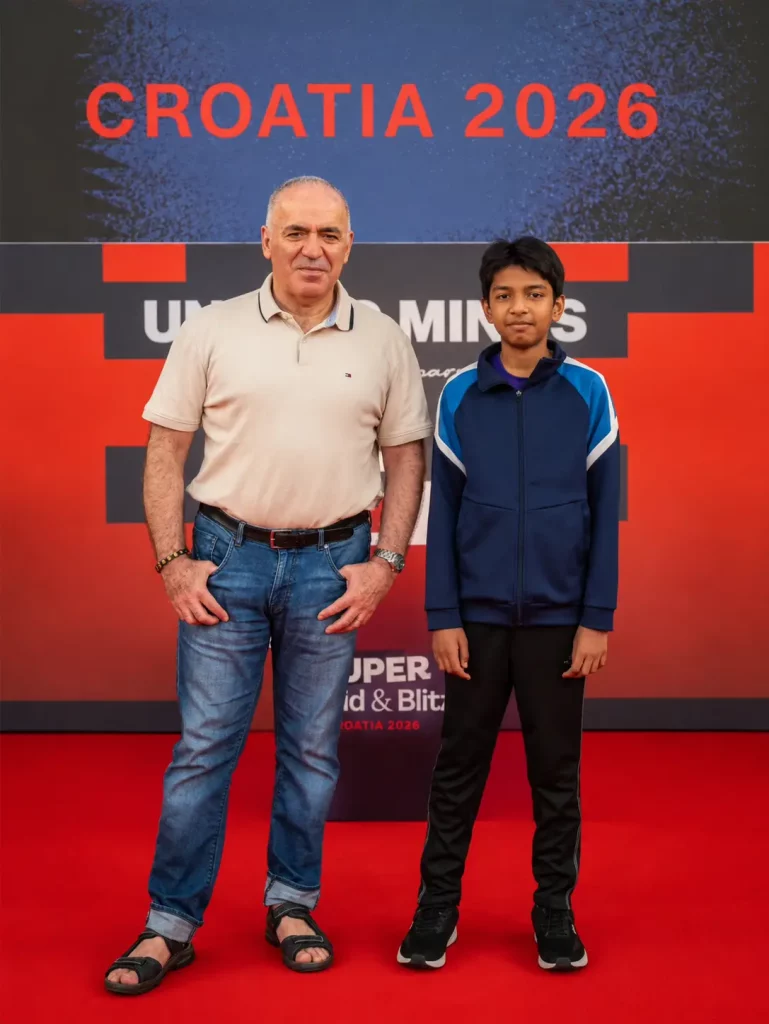
Supratit with Kasparov
Schoolwork, tournaments and time to play
Supratit’s chess career unfolds alongside full-time schooling at Sutton Grammar School, where he is in Year 8. He generally aims to spend around 20 hours a week on chess when no tournaments are approaching, with additional preparation and game analysis during competition periods.
“I usually plan my homework around my training sessions, so I can make sure I meet all my school deadlines,” he says.
Tournament travel can make schoolwork difficult to manage, but he credits his teachers for helping him catch up after returning. Support from his family and coaches also helps him maintain a routine.
“It can be busy, but planning my time and having support from my family, coaches and school makes it manageable,” he says.
He is equally conscious of the need to step away from the board. Cricket, badminton, football, dodgeball and golf are among his other interests, while table tennis is a favourite way to unwind.
“I think playing different sports is a good way to stay active and have fun, even when chess takes up a lot of my time,” he says.
He previously attended cricket and football clubs outside school, but increasing tournament commitments have made regular participation difficult. He still enjoys playing whenever the opportunity arises.
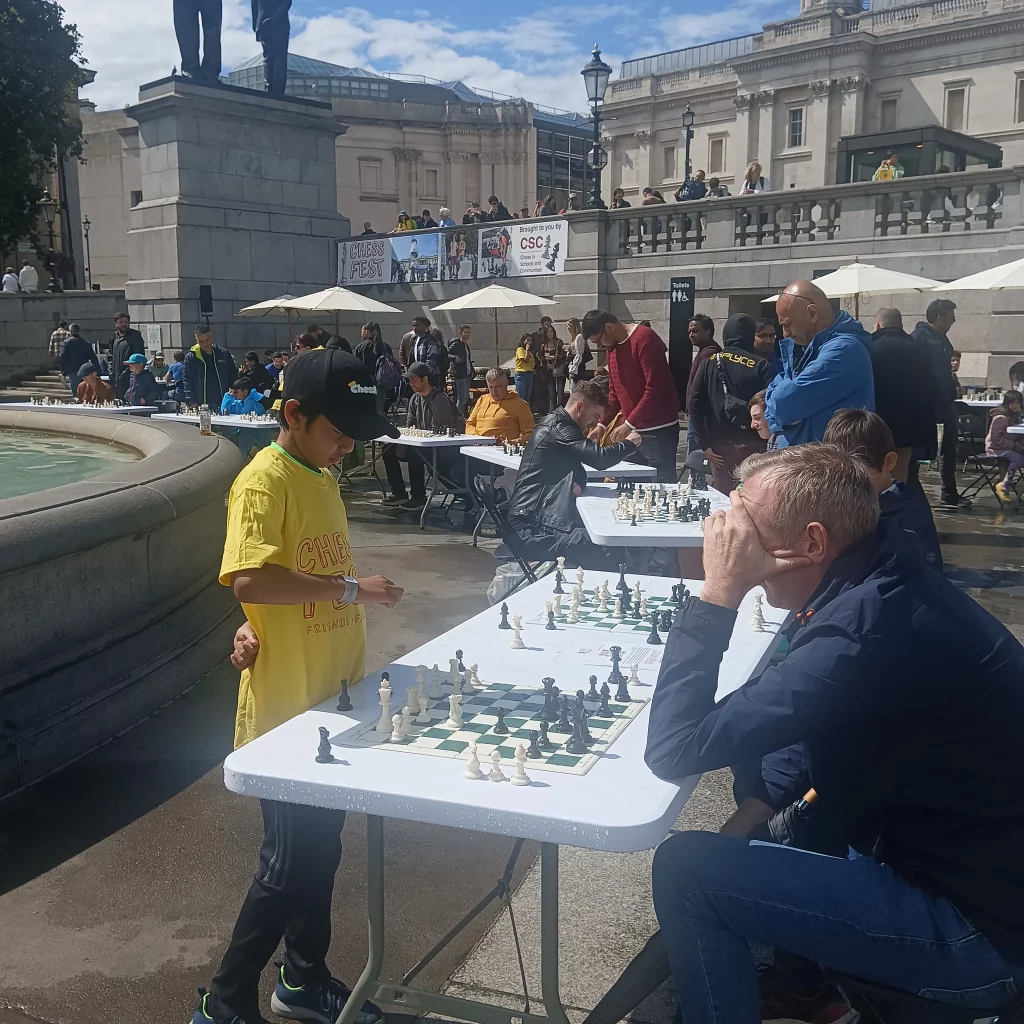
Supratit during one of his tournaments, a few years back
An Indian heritage and a British upbringing
Supratit was born in Ranchi, where both his parents grew up before their careers took them to Bengaluru. They moved to London in 2015, when he was less than two years old, relocated to Glasgow in 2017 and returned to London in 2022.
Britain is where he has attended school, built friendships and developed as a chess player, but India remains an important part of his life.
“At the same time, I’ve always stayed connected to my Indian roots through my family,” he says. He enjoys visiting relatives, experiencing Indian food and traditions, and spending time with his grandparents in Kolkata.
Bengali is spoken at home with his parents and grandparents. He acknowledges that he sometimes makes mistakes, but values the language as a way of maintaining his connection with his family and background.
“I feel quite connected to both my Indian heritage and my British upbringing,” he says. “I feel lucky to have both sides in my life, and I think they’ve both shaped who I am.”
Chess has also brought an international dimension to his British upbringing, giving him opportunities to travel and meet people from different backgrounds.
The next move
The International Master title is a significant milestone, but Supratit’s ambition extends further. He wants to become a Grandmaster, a goal that will demand continued preparation, resilience and the ability to learn from every game.
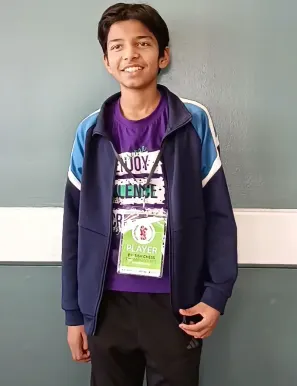
Supratit Banerjee, UK’s youngest International Master at 12
For now, the youngster is managing the demands of school, training and competition while making time for family and the sports he enjoys. At 12, he has already shown that he can compete against titled players and learn from some of the biggest names in chess.
The next stage will be about building on that achievement, one game at a time.
- To know more about Supratit Banerjee, visit his website
ALSO READ: Vaishali Rameshbabu: The fearless queen of Indian chess