
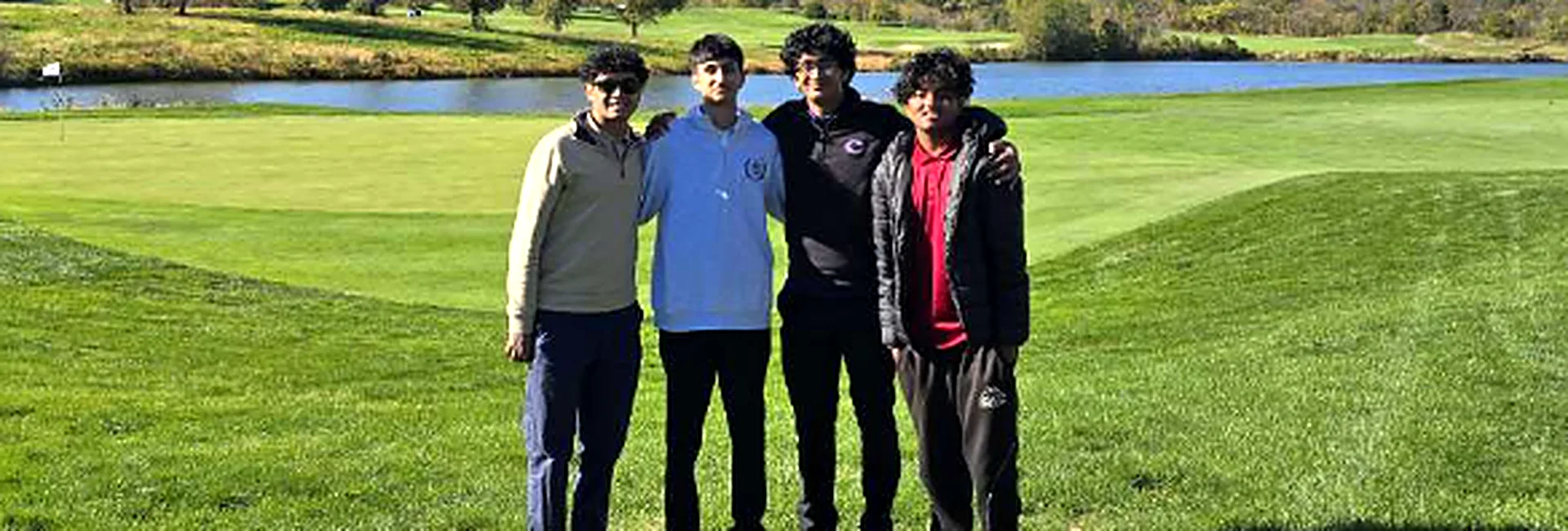


(Nov 15, 2026) Four high school seniors in Northern Virginia, United States, have found an unlikely tool for community service in pickleball. Their student-run organisation, Paddles for Promise, has raised more than US$12,000 through charity tournaments and now runs adaptive pickleball sessions for children with disabilities.
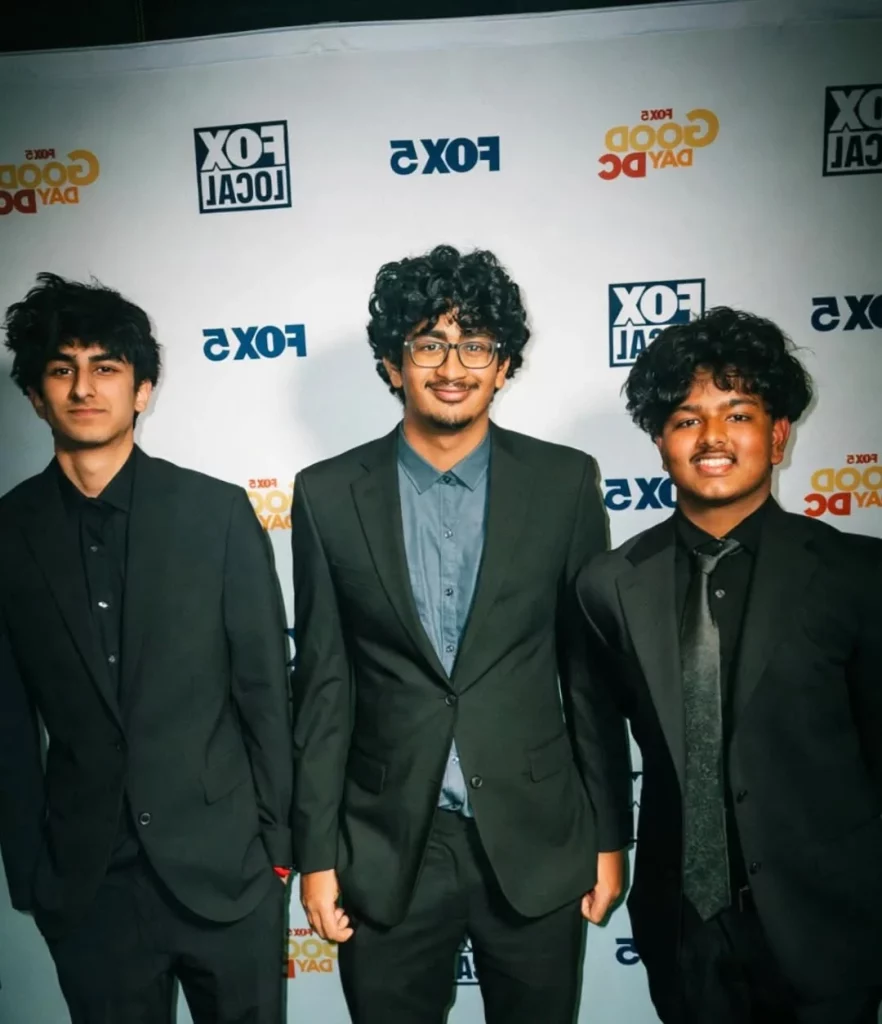
The founders are Sri Piramanayagam, Gurkirat Kumar, Varun Kishore and Ishaan Shukla, all in Grade 12. Sri studies at George C. Marshall High School, while Gurkirat, Varun and Ishaan attend Chantilly High School.
Their families trace their roots to four different corners of India. Sri’s family comes from Tamil Nadu, Gurkirat’s from Punjab, Varun’s from Karnataka and Ishaan’s from Gujarat.
The idea was simple. “Rather than simply asking people to donate, we wanted to create events where people could enjoy something they already loved while contributing to a larger cause,” says Sri, connecting with The Global Indian on behalf of the founding team.
Turning tournaments into fundraisers
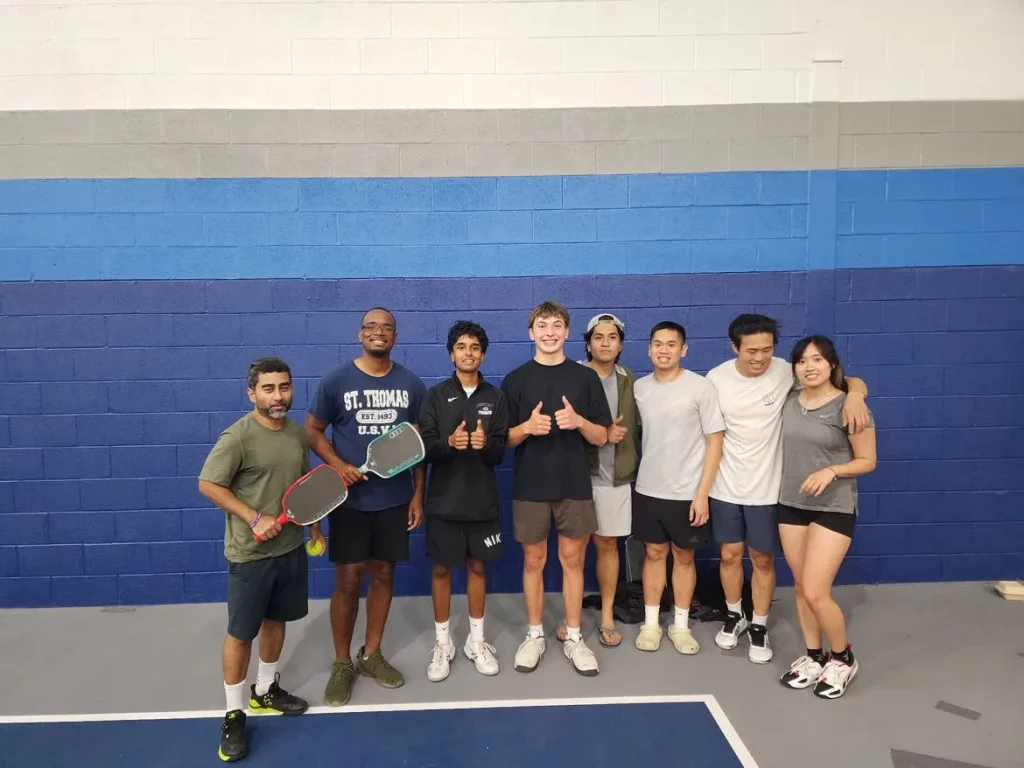
Most of the money has come from tournament registration fees, with the rest from donations and sponsorships. Across four charity tournaments, Paddles for Promise has drawn more than 150 participants, from high school and college students to adults.
The players range from newer recreational players to competitive ones. “One of our goals has always been to make the events competitive and well-organized while still remaining welcoming to people at different skill levels,” Sri says.
Their biggest event so far, the Fairfax Open, brought together more than 30 teams and offered a prize pool of over US$1,000. The generosity has sometimes come from the players themselves. At one tournament, two winners chose to donate their prize money back to Paddles for Promise.
A partnership with Shelter House
More than US$8,000 of the money raised has gone directly to Shelter House, the group’s primary nonprofit partner. Shelter House supports families affected by domestic violence and homelessness across Northern Virginia, including Fairfax and Loudoun counties.
In FY2024, Shelter House supported 696 domestic violence survivors through its programmes and shelters. Channelling funds through an established organisation, the founders say, means the money raised on the court reaches families through professional services and existing community infrastructure.
Adapting the game to every child
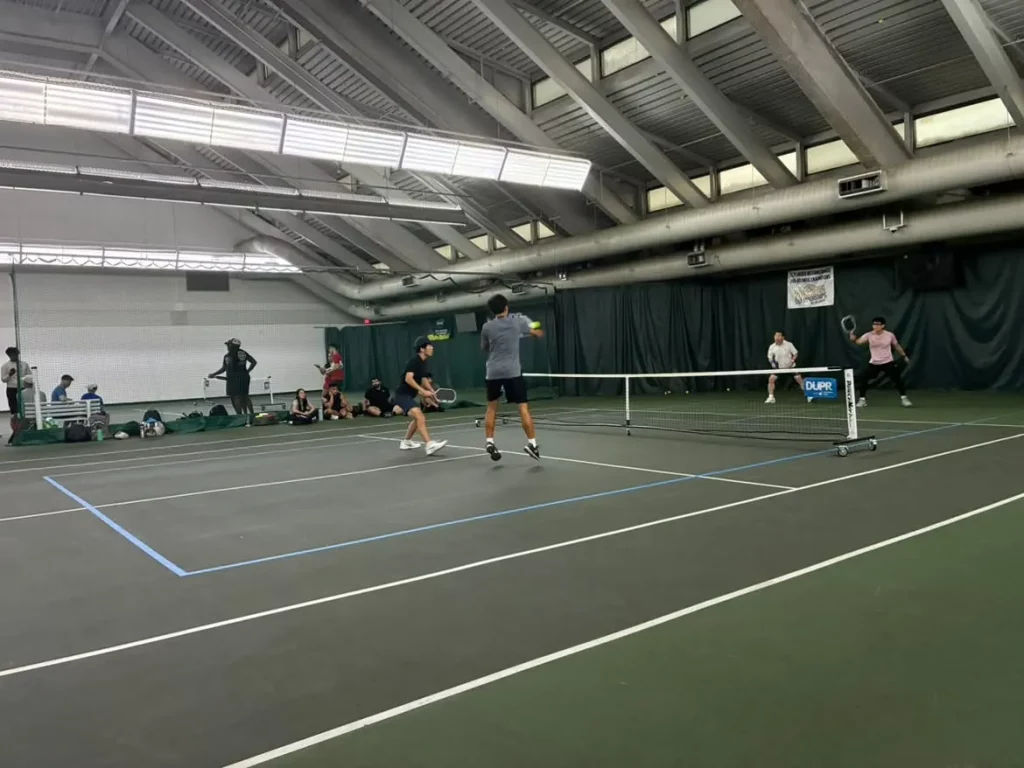
The work the founders are proudest of happens off the tournament circuit. Paddles for Promise has hosted more than five adaptive pickleball camp sessions, mainly for children aged around five to 12, reaching more than 20 children with disabilities, most of them from Northern Virginia.
“Instead of expecting every child to participate in the exact same way, we adapt the activity based on individual needs,” Sri explains.
In practice, that can mean lighter or modified paddles, softer balls, lower nets and smaller groups. Children receive individual instruction and extra volunteer support, with skills broken into smaller steps so each child can move at their own pace.
The sessions are held mainly at Worldgate Athletic Club & Spa in Herndon, Virginia, where the team can create a controlled and supportive environment. “We try to create a setting where participation can be adjusted around each child rather than asking the child to adjust to a traditional sports environment,” says the Paddles for Promise co-founder.
Technique is not the main point. “We want children who may not always have easy access to traditional sports programs to have an opportunity to participate, interact with others, build confidence, and enjoy being active.”
The programme has also changed what Paddles for Promise is. In the founders’ words, it “transformed the organization from primarily fundraising through tournaments into also providing direct programming.”
The hunt for court time
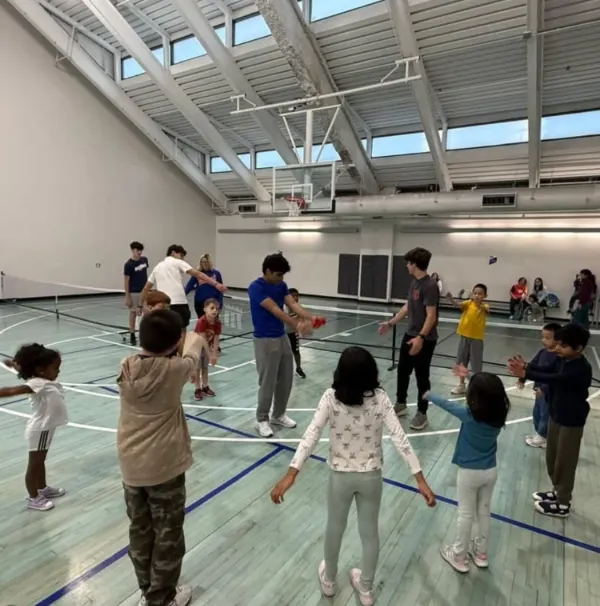
“Finding court space has been one of the biggest logistical challenges,” Sri admits. The team works with local athletic facilities and pickleball venues to book courts for both tournaments and adaptive sessions.
“Because pickleball court time can be limited, especially in Northern Virginia, scheduling events requires planning well in advance and working around facility availability.”
A student-led effort with a wide circle of support
The four founders lead the work themselves, from outreach, registrations and fundraising to tournament organisation, volunteer coordination, partnerships, finances and promotion. A broader leadership and support team, listed on the organisation’s website, helps them.
Family has been a steady backstop. “Our parents have been supportive with transportation, logistics, and encouragement, especially when we were first learning how to run large events as high school students,” Sri says.
More than 40 volunteers have pitched in across the tournaments and adaptive sessions. “One of the most rewarding parts of the organization has been seeing other people begin to believe in the mission as much as we do.”
Beyond Shelter House, the group has built partnerships with three local organisations. Chantilly Pickleball brings experienced players into the tournaments and adaptive sessions, as both participants and coaches. Sweet Frog hosted a community fundraiser where supporters could contribute while buying frozen yoghurt. NOVA Interventional Pain and Spine sponsors the group’s work and has helped raise funds for the adaptive pickleball camp.
“What started as four high school students organizing pickleball tournaments has gradually become something much larger,” Sri says. Looking ahead, the founders hope to expand adaptive sports opportunities and grow their community partnerships, using a sport they enjoy as a platform for service.
Paddles for Promise in numbers
- US$12,000+ raised, including US$8,000+ for Shelter House
- 150+ participants across four charity tournaments
- 30+ teams and a US$1,000+ prize pool at the Fairfax Open
- 20+ children with disabilities reached through 5+ adaptive sessions
- 40+ volunteers and four community partners
Follow Paddles for Promise on Instagram
ALS0 READ: Arya Gurumukhi: Texas teen bringing clean energy innovation to underserved communities


