

(Aug 9, 2026) Handcrafted products sourced from Nagpur and Indore are being sold through partner locations such as Patel Brothers in Ashburn and Lotte Plaza Market in Chantilly, and at places like the Rajdhani Mandir and SV Lotus Temple during community events in Virginia, through a social-impact initiative led by high school student Dev Rai.
Based in Oakton, Virginia, Dev noticed during his visits to India that talented artisans were creating beautiful, highly creative handmade products but often lacked the recognition and market access their work deserved. Instead of simply buying the products, he began wondering how he could help take them to a much wider audience.
That question led to Serving Society Global Foundation (SSGF), a registered 501(c)(3) nonprofit that Dev founded and now leads as its Founder and Executive Director.
“My family has roots in Nagpur and Bhopal. Although I was raised in the United States, I visit India frequently and have remained closely connected to my family, culture, and the communities there,” Dev shares with The Global Indian. What started with Dev’s observations during visits to India has evolved into a youth-led effort connecting Indian craftsmanship with American consumers while creating a deeper connection between young Indian-Americans and the traditions behind the products.
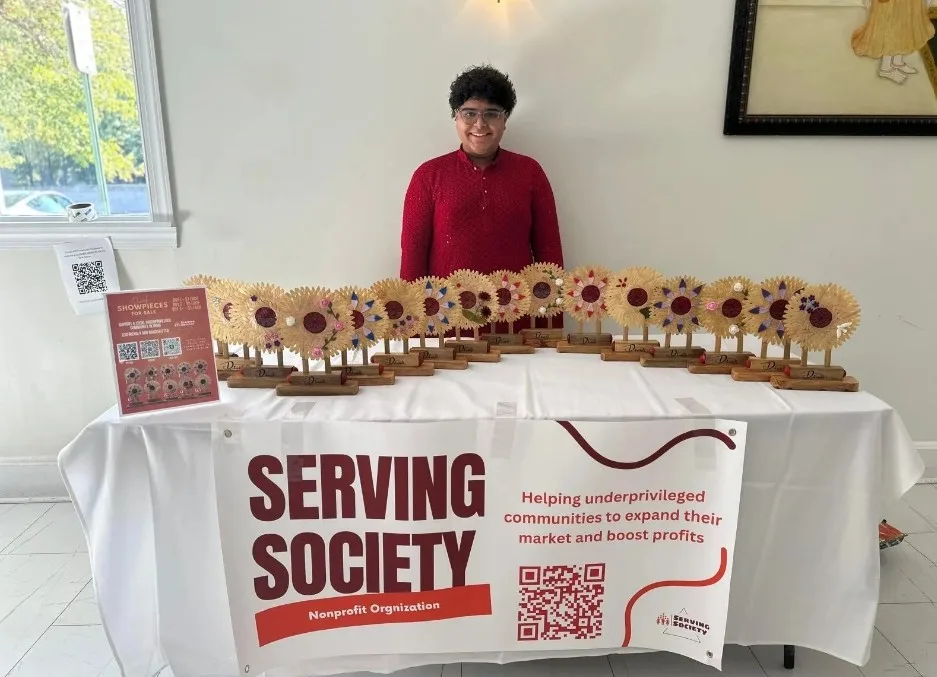
From India visits to a social-impact idea
During his visits to India, dev began noticing talented people selling beautiful and highly creative handmade products along the streets, often without the recognition or market access their work deserved.
He started speaking with people and learning about their experiences. Those conversations changed how he viewed the products. “These products represented not only income, but also personal stories, cultural traditions, and generations of artistic knowledge.”
His family supported the idea and helped him remain connected with communities and organisations in India. Dev then began connecting with established and credible nonprofit and artisan organisations that could help SSGF source products responsibly.
Most of the foundation’s products are procured through Sampoorna Bamboo Kendra near Nagpur, which works with underserved tribal communities and artisans. SSGF has also sourced products through Bansi Emporium in Indore and other artisan groups.
From Nagpur and Indore to Virginia
The products travelling from India to American communities include bamboo jewellery, earrings, rakhis, tote bags, coasters, candle holders, hair accessories, home décor and other handmade household products. For Dev, each item represents more than craftsmanship.
“Our goal is to expand the artisans’ access to the American market while promoting sustainability and preserving Indian art and culture,” he says.
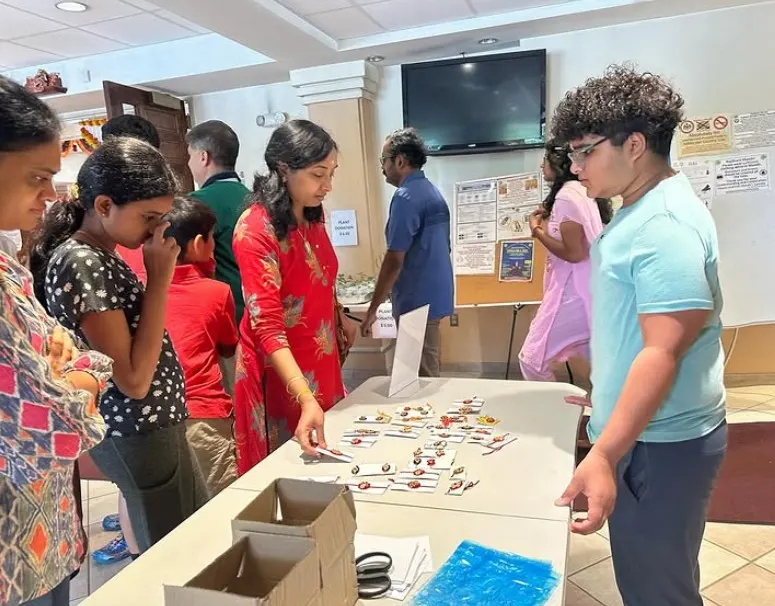
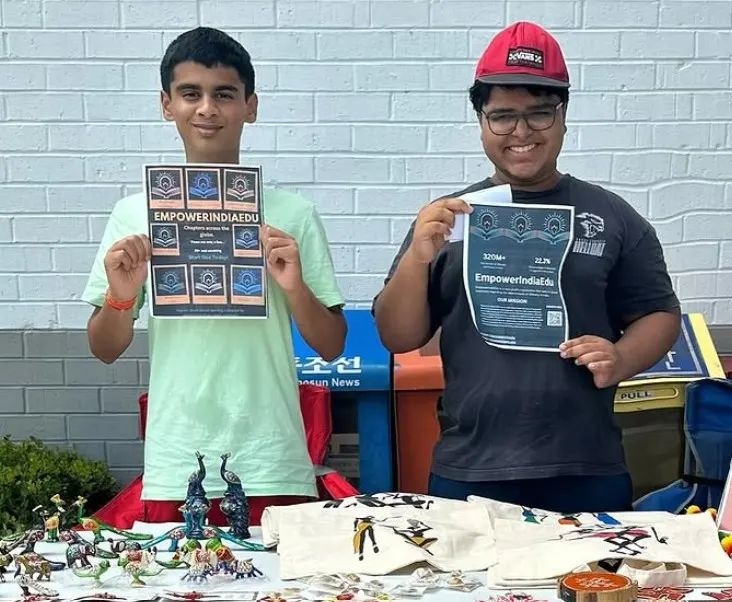
SSGF sells through both in-person events and e-commerce. Its products have been sold at temples, cultural festivals, community events, schools and grocery stores, as well as partner locations such as Rajdhani Mandir, SV Lotus Temple, Patel Brothers in Ashburn and Lotte Plaza Market in Chantilly.
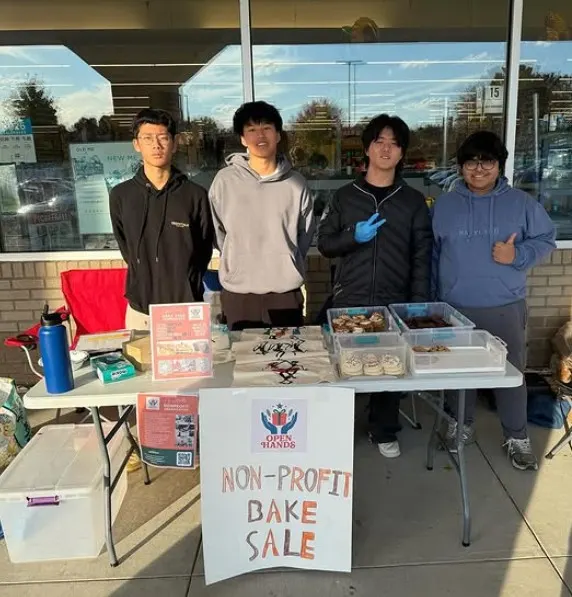
The organisation has also expanded through youth-led chapters in Virginia, Maryland, New Jersey and Minnesota. These chapters organise sales, fundraising campaigns, volunteer initiatives and community outreach within their own regions.
For Indian-American volunteers, the work creates a tangible relationship with India. They learn the traditions behind the crafts, understand the market challenges artisans face and use their own communities to help preserve those traditions while expanding opportunity.
Making sure artisans are paid
The movement of products across continents is only one part of Dev’s model. He has also built the foundation around a clear principle: artisans should receive the full agreed amount for the products SSGF procures from them.
Their compensation does not depend on whether or when a product is sold in the United States. “After paying the artisans and covering essential procurement and transportation expenses, excess funds are used to expand our social-impact work,” Dev explains.
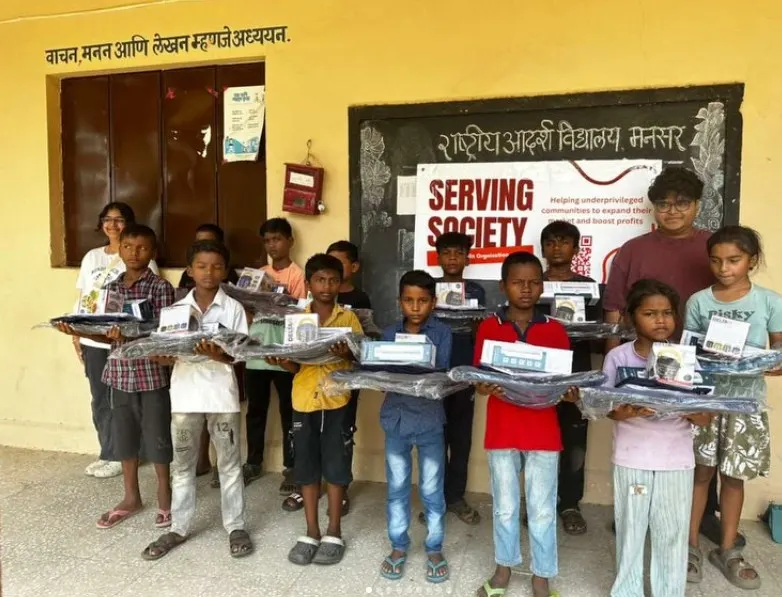
That includes local community-service initiatives through SSGF’s partnership with SEWA DC, as well as projects supporting underprivileged students, families and communities in India.
The student leadership team is unpaid. “No member of our student leadership team receives any payment,” Dev says. Instead, funds are reinvested into supporting artisans, community initiatives, education, sustainability and the growth of the mission.
Building a youth network around Indian craftsmanship
SSGF’s work has grown beyond Dev’s own efforts. Youth-led chapters across several states now organise sales, fundraising campaigns, volunteer initiatives and community outreach.
The model gives young people a practical way to engage with Indian culture while developing experience in leadership, entrepreneurship, sustainability and service. For Dev, this connection is important because the foundation is not only creating a market for products. It is helping young Indian-Americans understand the people, traditions and challenges behind them.
When a nonprofit feels like a creative outlet
Managing SSGF alongside school requires Dev to prioritise responsibilities according to importance and deadlines, break larger projects into smaller weekly goals and delegate responsibilities to chapter leaders and volunteers.
But he does not see the foundation merely as another commitment. “SSGF does not always feel like an additional responsibility to me because it is something I genuinely enjoy,” he says.
Whether he is meeting artisans, developing partnerships, improving the website, organising an event or working with other students, the work remains meaningful to him. “Because I care deeply about the mission, working on the foundation often feels like a creative outlet rather than simply another task.”
His interests outside SSGF include entrepreneurship, technology, artificial intelligence, debate, economics and creative writing.
The stories behind every product
Writing has become especially significant to Dev because of what he has learned from the artisans and communities involved with the foundation.
Their experiences have encouraged him to look beyond statistics and understand the people and traditions behind the products. “Their stories taught me to look beyond statistics and understand the individual people, traditions, struggles, and aspirations behind every product,” he says.
In 2026, Dev was named a National YoungArts Winner with Distinction in Writing. He hopes to continue using writing and entrepreneurship to bring greater attention to stories and communities that are often overlooked.
From selling products to building digital independence
One of SSGF’s biggest challenges has been moving from primarily selling products itself towards creating more sustainable digital and e-commerce solutions that artisan communities can eventually operate independently.
Dev has had to learn how to build and improve websites, integrate e-commerce functionality, manage digital marketing and create systems that artisans can eventually operate themselves.
The learning curve has been significant, but he sees it as one of the most empowering parts of the experience. Rather than simply selling products on behalf of artisans, SSGF is working to give them tools to present their work, reach customers and manage sales more directly.
“This creates a more sustainable model and reduces their long-term dependence on outside organizations or middlemen,” Dev says. The shift represents a broader ambition: not simply creating access to a market for artisans, but helping them develop the digital infrastructure to participate in that market themselves.
Future plans and other achievements
Dev’s future ambitions build on the intersection of technology, entrepreneurship and storytelling that he has encountered through SSGF. He hopes to study entrepreneurship and technology, particularly how artificial intelligence and digital tools can enhance the creative industries.
His experience with tribal artisans has shown him that creativity can have enormous cultural and economic value, while creators can still lack access to technology, marketing and business infrastructure.
“Creativity has tremendous cultural and economic value, but talented creators often lack access to the technology, marketing, and business infrastructure needed to reach broader audiences,” he says.
The Virginia-based youngster is an active member of DECA (an international association for student entrepreneurs and leaders) through his school, Oakton High School. He, along with his project team, won First Place at the Virginia DECA State Leadership Conference for their financial literacy and fundraising campaign framework.

Dev Rai and his team featured on NBC4 Washington following their win
With an interest in writing, he contributes to publications, and was selected by YoungArts, a prestigious US arts program offering mentorship, a $10,000 award opportunity and a weeklong creative residency with professional artists.
“I hope to build ventures that combine entrepreneurship, technology, media, and storytelling to help artists, writers, and other creators share their work, reach new markets, and create meaningful social impact,” he says. For now, his social impact journey continues from artisan communities in India to the markets in the US.
Serving Society Global Foundation (SSGF) by the numbers:
- Raised more than $15,000
- Sold more than 900 handcrafted and sustainable products
- Directly supported more than 400 underserved artisans
- Established seven youth chapters
Follow SSGF on Instagram
ALSO READ: Turning tradition into empowerment: How Smrithi uses terracotta jewellery to uplift rural women