
May 01 2026
Vaniitha Jaiin: From corporate corridors to bringing the forest into a bottle with Vanaha Gin
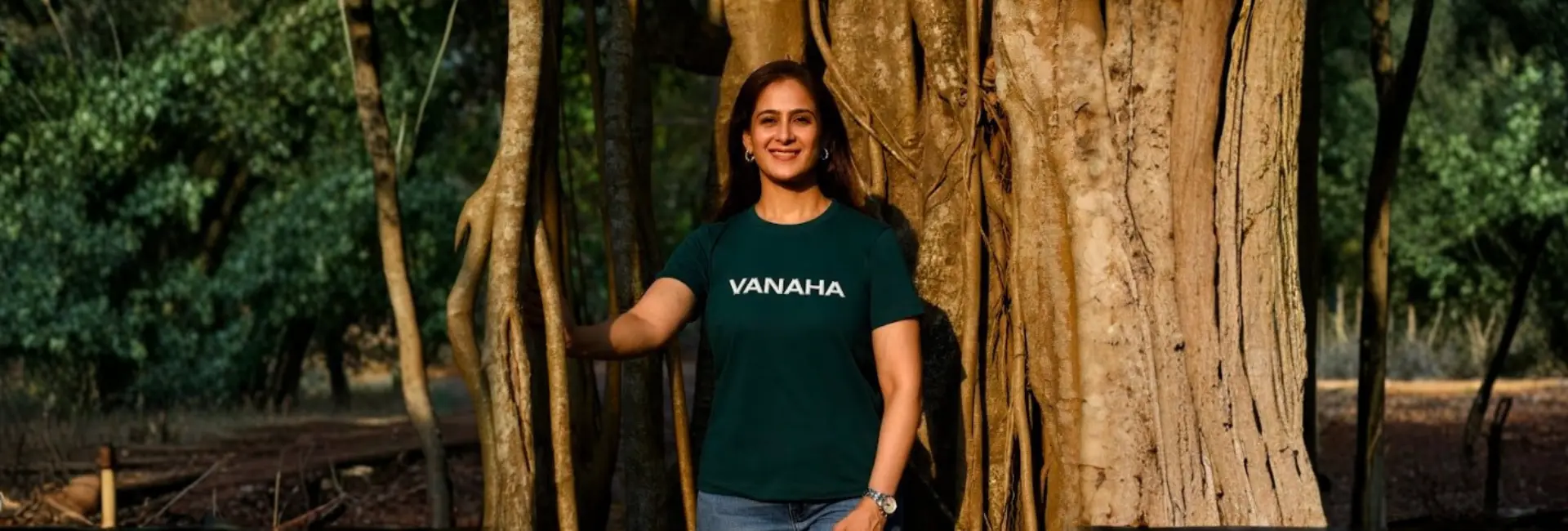
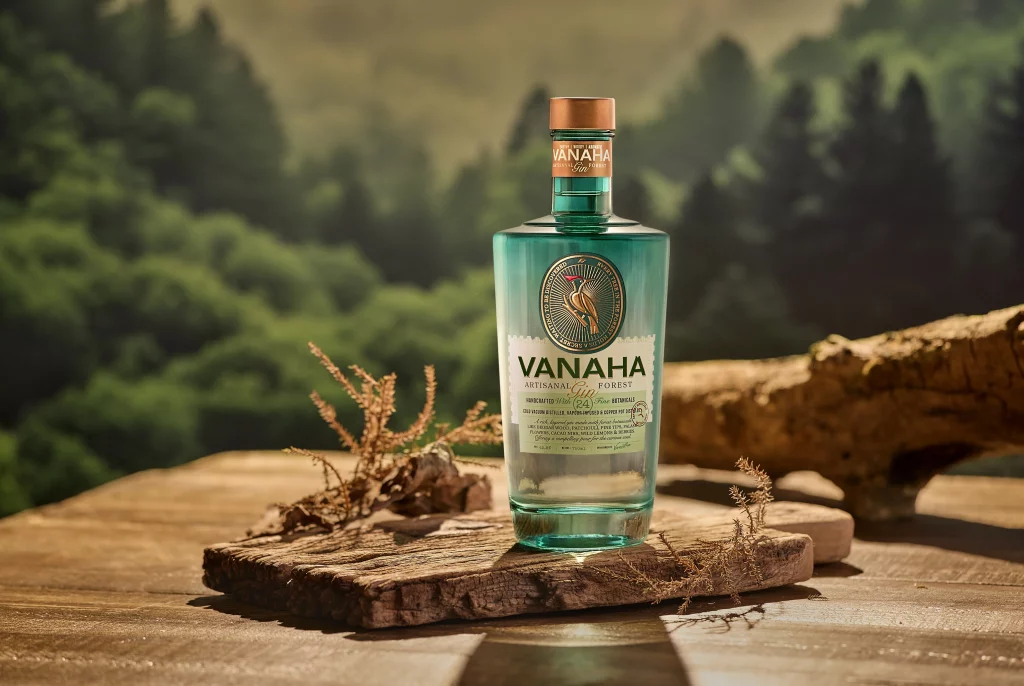
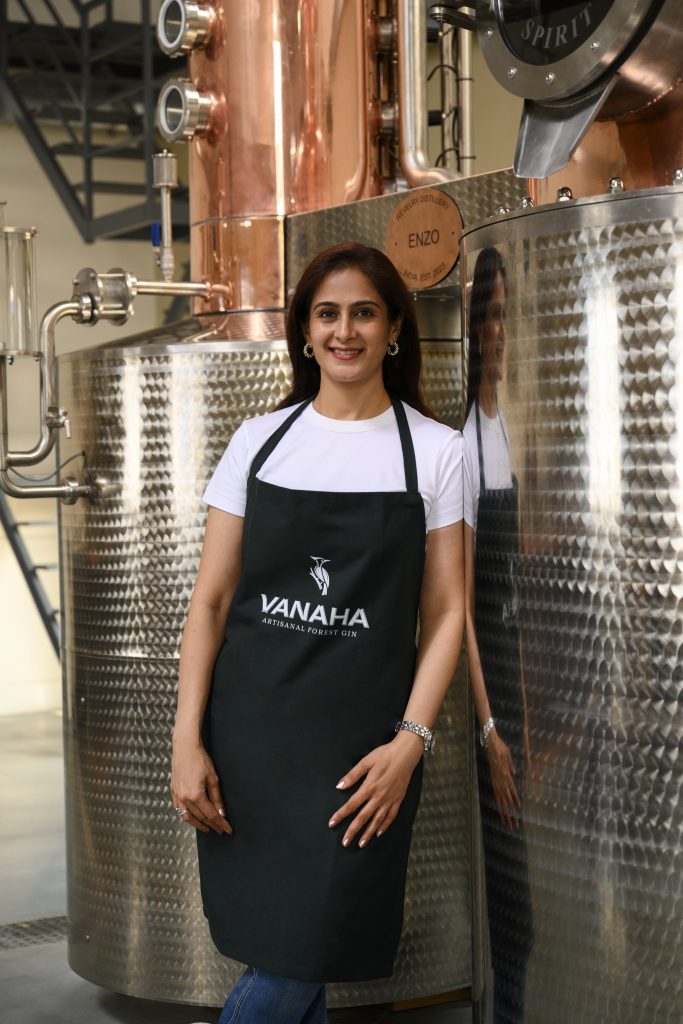
(May 1, 2026) At Revelry Distillery, set deep within Goa’s Sattari forest, global distillation traditions meet the depth of Indian botanicals. It is here that Vanaha Gin, an artisanal forest gin, is crafted, and shaped by the richness of its surroundings. For Vaniitha Jaiin, founder of Revelry Distillery and creator of Vanaha Gin, spirits are never just about taste. They are shaped by context, mood, and setting leading to an experience that unfolds gradually rather than all at once.
That philosophy mirrors her own journey. After years in corporate communications, brand management, and marketing across companies like Flipkart, Ogilvy & Mather, and Mahindra Satyam, Vaniitha could have stayed on a predictable leadership path. Instead, she chose reinvention.
Backed by global training in Wine Science and Luxury Brand Management in Europe, along with advanced certifications from the Wine & Spirits Education Trust (WSET), London, she transitioned into the world of wines, luxury, and eventually craft spirits.
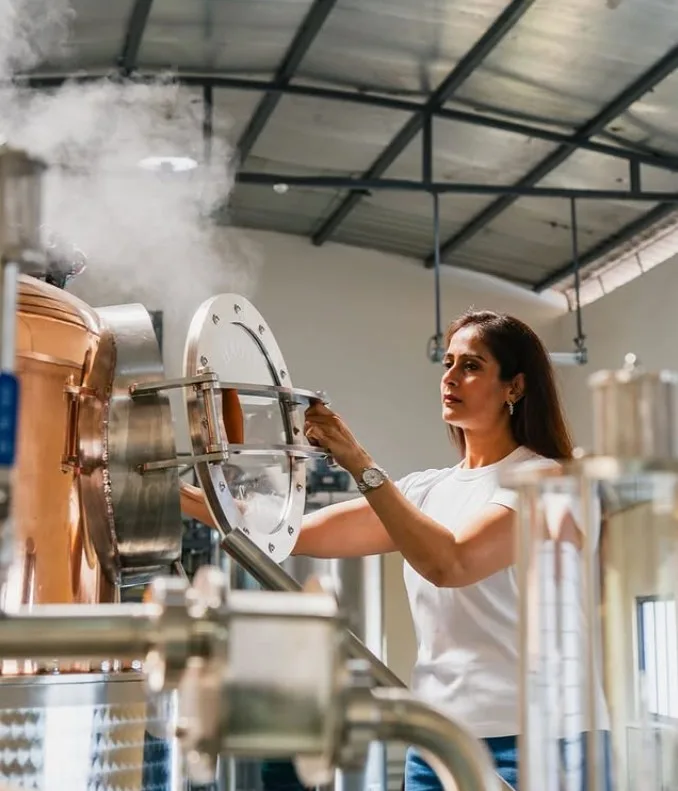
Today, she is one of the few Indian women building independently in a largely male-dominated industry. “When someone opens a Vanaha bottle, I want it to feel layered and intentional,” she remarks in a chat with The Global Indian. “Not loud or overwhelming, but something that invites you to slow down.”
Beyond the bottle: a ‘Made in India’ spirit
Vanaha began as a distinctly Indian idea shaped by landscape, craft, and careful intent. Copper pot distillation is paired with vapour infusion chambers to gently extract delicate botanical notes, while cold vacuum distilling helps preserve the integrity of the spirit.
Botanicals are sourced from across India’s diverse terrains—from the Himalayan foothills to the rainforests of the Northeast and the Western Ghats, alongside classic elements like juniper and angelica. The result is a layered, forest-forward gin that reflects both provenance and precision. Crafted in small batches, each bottle is an expression of a “Made in India” spirit bringing together geography, technique, and a more considered approach to consumption.
Building credibility in a male-dominated space
The alcobev industry, particularly in manufacturing and distribution, remains largely male-dominated. For Jaiin, navigating this environment has been less about confrontation and more about consistency.
“There are moments where you are assessed before you are heard,” she remarks. “But depth of knowledge and presence in the process shifts that over time.” Her leadership is grounded in preparation, clarity, and follow-through, with a strong emphasis on being involved across technical, regulatory, and operational aspects. Over time, this approach has helped move the conversation from identity to output—what is being built and how.
Early life that shaped resilience
Vaniitha’s early years were shaped by uncertainty. Losing her father at a young age meant growing up quickly, watching her mother navigate a difficult phase with quiet resilience. Stability was not something the family could take for granted, and responsibility came early. “By my teens, I had started earning to support my education and daily expenses. That environment teaches you discipline and observation,” she recalls.
Her curiosity for flavour evolved gradually—moving beyond taste to understanding origin, process, and experience. Over time, that curiosity became more deliberate, shaping how she would later approach both product and brand.
Learning scale and structure
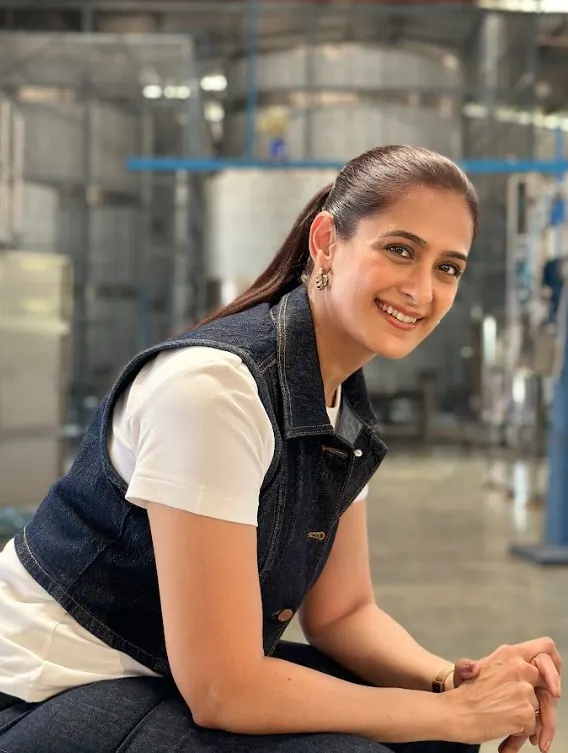
Her professional journey began in marketing, corporate communications, and brand strategy across sectors such as e-commerce, information technology, advertising, public relations, and human resources. These years were formative. They taught her how to think at scale, interpret consumer behaviour, and build communication systems that deliver results. Working across industries also meant navigating varied organisational cultures, sharpening both strategy and execution.
It was a stable trajectory. Yet alongside it, her interest in wines and spirits continued to deepen through study, travel, and immersion in the category.
The shift from predictability to purpose
Leaving a secure path, especially as a young mother, came with uncertainty. But it also brought clarity. The decision was less about stepping away from something and more about committing to building something of her own. That choice led to the creation of an independently run distillery and the launch of Vanaha Gin, marking her entry into a space where few Indian women had ventured at the time.
Shaping perspective through global learning
Vaniitha credits her international education with giving structure to her instincts. Her training through WSET, in London, helped her understand both the technical and strategic dimensions of the industry.
“It was not just about learning how spirits are made but about understanding positioning, restraint, and long-term value,” she says. One idea stayed with her: premium brands are built through consistency and clarity, not speed. Craft cannot be rushed, and equity cannot be created through short-term decisions. That thinking continues to guide her approach.
Craft over narrative
In a market where “craft” is often used loosely, Vaniitha takes a measured view. “The product must stand on its own first. Storytelling can only amplify what is already there; it cannot replace it,” she says. Every botanical, every process, and every decision is intentional. This focus on substance aligns with a more informed consumer base that values authenticity over surface-level branding.
Navigating complexity
Building a distillery in India involves navigating a fragmented regulatory environment, where each state has its own licensing structures and compliance requirements. “The challenge is not just the number of regulations but the lack of uniformity and predictability,” she explains.
Managing this requires patience and constant follow-up. For Vaniitha Jaiin, what needs to evolve is greater clarity and consistency—an ecosystem that supports quality-driven producers while maintaining necessary controls. She believes India has the potential to emerge as a strong global player in spirits, provided innovation is supported alongside regulation.
Looking ahead: depth over speed
Her focus now is on building depth by strengthening what has been created and expanding thoughtfully, without diluting intent. Growth, for her, is not about speed but about consistency and clarity.
“I believe Indian spirits are at an important point in their evolution,” she says. “There is growing awareness of quality, craft, and provenance, both within the country and globally.” The opportunity lies in building brands that can stand confidently on that stage. For Vaniitha Jaiin, the path forward remains anchored in intention, discipline, and a commitment to creating something that holds value beyond the immediate.
ALSO READ: Kishan Pedhapally: Taking Made-in-India wine beyond borders

Share with



Written By: Amrita Priya
That’s neat! How Master blender Surrinder Kumar is putting Indian whiskey on the global map

Written By: Amrita Priya
Raj Patel: Indian-American winemaker made heads turn at the US State dinner

Written By: Bindu Gopal Rao