
July 10 2026
Shravan Kummar Ramaswamy: Taking Indian craftsmanship from weaving clusters to international runways
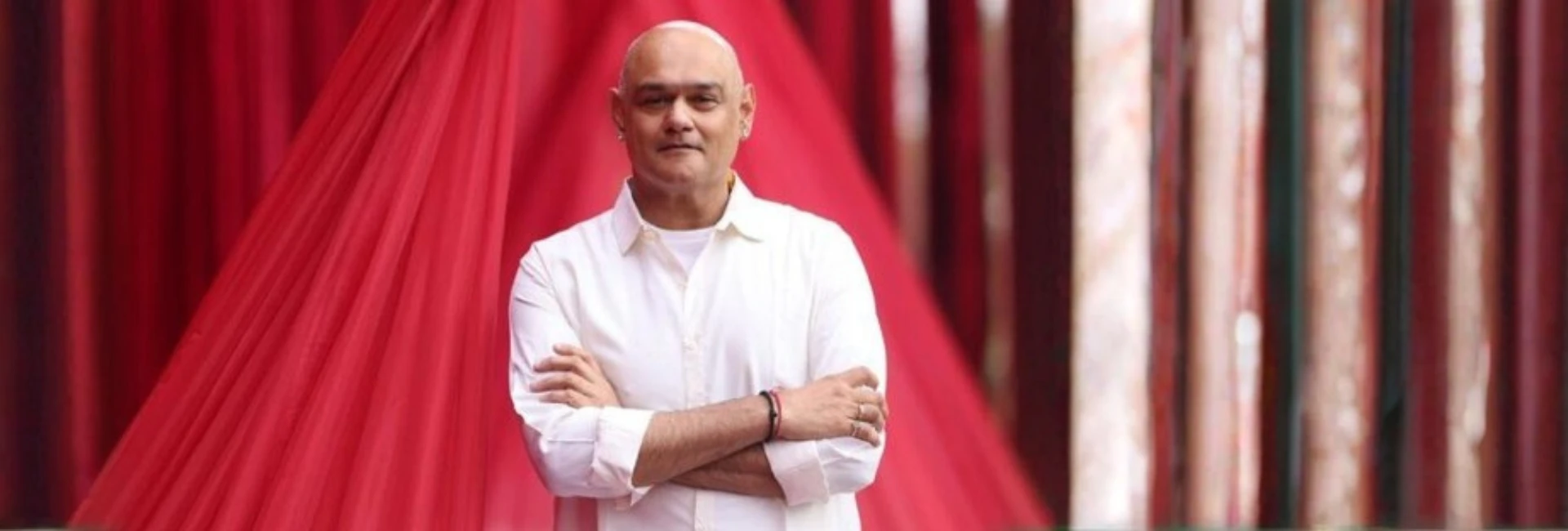
(Jul 10, 2026)Fashion designer Shravan Kummar Ramaswamy has taken India’s handloom heritage from traditional weaving clusters to fashion runways across Vancouver, Dubai, Australia, London and New York, while designing for leading film personalities and delivering a distinguished lecture at Cornell University. Through research-driven collections, his annual An Ode to Weaves and Weavers initiative and sustained support for artisan communities, he is helping preserve centuries-old textile traditions for a new generation.
Growing up in Hyderabad, Shravan Kummar Ramaswamy seemed destined for a career in medicine. He secured the 363rd rank in the medical entrance examination, earning admission to Gandhi Medical College. But before beginning his medical career, he found himself questioning whether medicine was truly his calling or whether his lifelong fascination with textiles, colour and design deserved to be pursued instead.
The decision to leave medicine behind was difficult. At a time when fashion was rarely considered a respected profession, many dismissed designers as little more than “sophisticated tailors.” Yet Shravan chose to trust his instincts, enrolling at NIFT Hyderabad before pursuing postgraduate studies at the London College of Fashion, where he explored colour psychology and fashion psychology.
“Medicine taught me discipline, patience and attention to detail, qualities that continue to help me as a designer. Fashion gave me a different way to contribute to society,” he tells The Global Indian.

Inspired by his mother’s sarees
Born in Hyderabad, Shravan grew up in a family engaged in the restaurant and real estate businesses. While there was no professional connection to fashion, creativity entered his life through his mother.
Her collection of handwoven silk sarees and vintage textiles fascinated him from an early age. He spent hours studying their colours, borders and intricate craftsmanship, unaware that those childhood memories would later shape his signature design language.
Building a label rooted in heritage
When Shravan launched his label in 1993, his ambition extended beyond creating beautiful garments. He wanted every collection to celebrate India’s diverse textile traditions and preserve crafts that were steadily losing commercial relevance.
Years of travelling across weaving clusters introduced him to artisans whose skills had been passed down through generations. Those interactions transformed his understanding of fashion from a commercial business into a cultural responsibility.
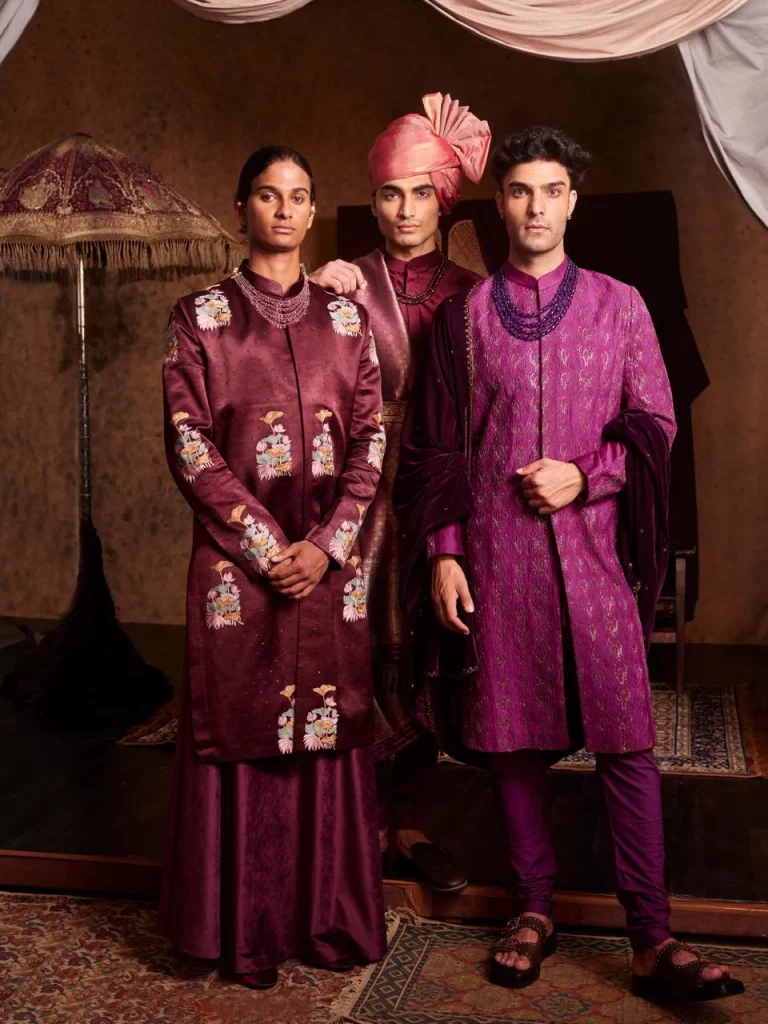
His collections today are known for handloom fabrics, vintage-inspired embroideries and extensive historical research. Before developing each line, he studies Indian history, mythology, architecture and traditional craft practices to ensure every motif and weave reflects an authentic story.
Showcasing Indian textiles across the world
International fashion platforms have become Shravan’s canvas for introducing global audiences to India’s textile traditions.
Vancouver holds a special place in his journey, where he showcased his collections for five consecutive seasons beginning in 2014. Each presentation highlighted a different Indian craft. One celebrated Gujarat’s Mata ni Pachedi ritual textiles, another showcased the intricate embroidery traditions of the Banjara community, while another focused on the precision of Pochampally Ikat.
For Shravan, the greatest reward was watching audiences appreciate not only the garments but also the cultural narratives behind every weave.
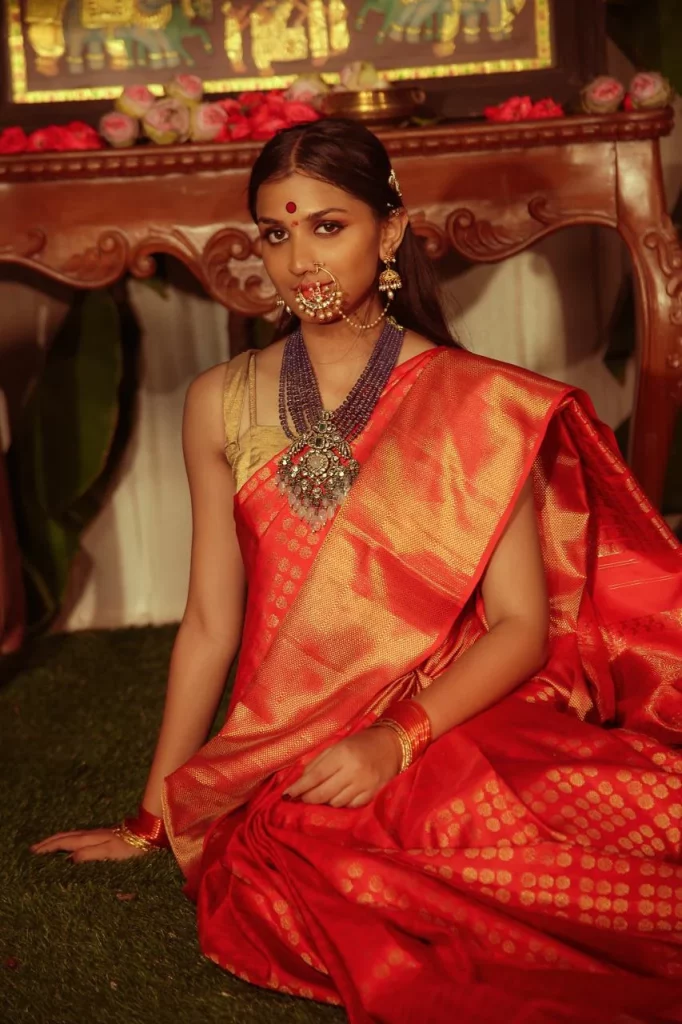
Dubai presented a different audience, one that values luxury and craftsmanship. His collections there featured handwoven Kanchipuram silks, couture bridal wear and intricate embroidery that blended Indian heritage with contemporary elegance.
In Australia, he presented a sustainability-focused collection during Eco Fashion Week in 2017. Using naturally dyed Khadi and handcrafted textiles, the collection demonstrated how traditional Indian craftsmanship aligns naturally with environmentally conscious fashion.
London, meanwhile, offered audiences that understood both heritage preservation and luxury fashion, making it another memorable international showcase.
Sharing India’s textile legacy at Cornell
One of the defining moments in Shravan’s international journey came in 2018, when he was invited as a Nixon Distinguished Guest Speaker at Cornell University.
The invitation followed a visit by Cornell students and faculty to his Hyderabad studio as part of their study programme on India’s textile and apparel supply chain.
During his lecture and fashion presentation, Shravan introduced students to the history of Indian textiles, discussing Kalamkari, Bandhani, Ikat, traditional weaving techniques and the role artisans continue to play in preserving centuries-old knowledge.
“It was an opportunity to introduce students and faculty to the depth of India’s textile heritage and the importance of preserving our handloom traditions,” says the designer.
From the runway to the silver screen
Beyond international fashion weeks, Shravan’s work has found a place in the entertainment industry.
He has designed costumes for Femina Miss India South and created ensembles for actors including Anushka Shetty, Nandita Das, Shabana Azmi, Nayanthara and Huma Qureshi. His clientele also includes the families of Kamal Haasan, Rajinikanth, Mammootty and Chiranjeevi.
Supporting artisans beyond a single collection
Shravan believes meaningful fashion extends far beyond the runway.
Instead of short-term collaborations, he has built a long-term ecosystem that supports weaving families through dedicated looms and continuous employment. His philosophy is simple: preserving crafts requires sustaining the people who practise them.
His annual initiative, An Ode to Weaves and Weavers, showcases more than 100 traditional Indian weaves each year. Through the Society of Aalayam, which he chairs, the organisation works to revive endangered weaving traditions while improving artisans’ livelihoods through training programmes, embroidery workshops and micro-credit initiatives.
“My greatest achievement has been creating a sustainable ecosystem for artisans and weaving families, ensuring traditional crafts continue to thrive,” he says.
Fashion with purpose
For Shravan, sustainability begins with people rather than products. He believes handwoven textiles, natural fibres and traditional production methods carry a significantly lower environmental impact than mass-produced fashion while preserving knowledge accumulated over centuries.
His goal is not simply to sell garments but to ensure every collection becomes a vehicle for protecting India’s cultural heritage.
Looking ahead
Shravan now hopes to expand India’s textile presence through museum collaborations, exhibitions and international cultural platforms.
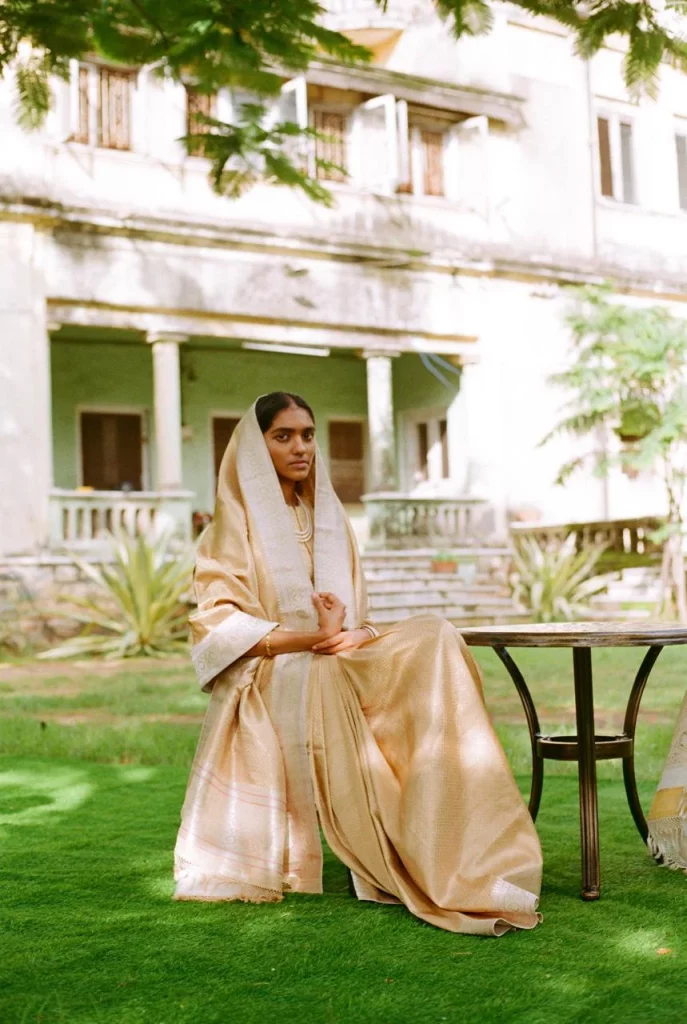
His ambition is less about entering new markets than ensuring India’s artisan communities receive the recognition they deserve. Every international showcase, he believes, reinforces the idea that Indian textiles are not merely fashion products but living expressions of the country’s cultural legacy.
- Follow Shravan Kummar Ramaswamy on LinkedIn
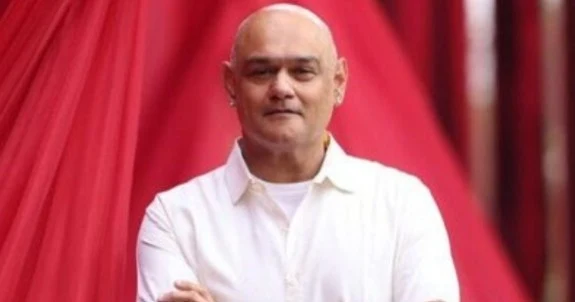
Shravan Kummar Ramaswamy
| Born | May 2, 1976, Hyderabad, India |
| Based | Hyderabad, India |
| Studied | NIFT Hyderabad | London College of Fashion |
| Languages | Telugu, Hindi, English |
Signature work
From dressing celebrities to presenting Indian textiles before international audiences, Shravan has built a career around elevating the country's handloom heritage. His signature contribution is 'An Ode to Weaves and Weavers' initiative, which combines textile conservation with sustainable support for weaving communities.
Idea
To preserve India's rich textile heritage by transforming traditional handlooms and crafts into contemporary fashion while ensuring they remain culturally and commercially relevant.
Network
Collaborates with artisan and weaving communities across India, international fashion weeks, cultural and academic institutions, and clients from the fashion, entertainment and luxury sectors to promote Indian craftsmanship globally.
Impact
Has showcased Indian textiles on international runways, elevated the global profile of traditional weaves, and helped create sustainable livelihoods by connecting artisan communities with wider markets.
Giving Back
Through the Society of Aalayam and the annual 'An Ode to Weaves and Weavers' initiative, he supports weaving families through skill development, craft revival, continuous employment and programmes that help preserve endangered textile traditions for future generations.
Inspired by Shravan Kummar Ramaswamy 's journey?
Yours follows the same Hero's pattern — Separation, Initiation, Transformation, Return.
Share with



Written By: Vikram Sharma
Aashumi Mahajan and Niyoshi Shah: Weaving creative heritage into the fabric of global luxury

Written By: Amrita Priya
Aditya Mehta: Taking Gujarat’s GI-tagged textiles to Canada with a modern twist

Written By: Bindu Gopal Rao