
April 22 2026
Raised in the UK, anchored in India: Award-winning Kathak artist Aakash Odedra in motion
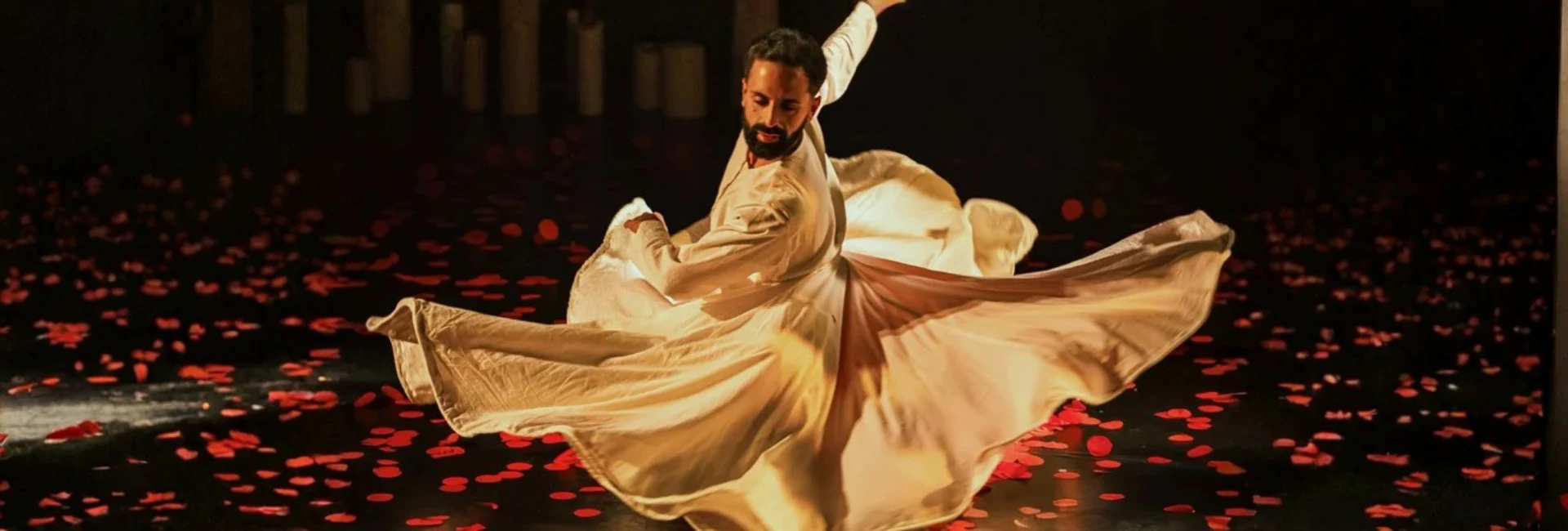
(April 22, 2026) With a British Empire Medal, a Bessie Award, and performances across the world’s leading stages, Aakash Odedra has emerged as one of the most compelling voices in contemporary dance, blending classical Indian forms with a global artistic vision. His dance company, founded in 2011, has since grown into an Arts Council England National Portfolio Organisation—a distinction that places it among a select group of institutions shaping the UK’s cultural landscape.
Straddling geographies, traditions, and artistic vocabularies, Aakash Odedra has built a body of work that feels at once deeply rooted and unmistakably global. A leading practitioner of Kathak, who also draws from Bharatanatyam and contemporary dance, he was born in the UK and artistically nourished by the classical dance traditions of India. The Leicester-based performer moves fluidly between worlds, both on and off stage.
Often described as a living bridge between India and the UK, his practice draws from ancient philosophies and contemporary sensibilities, weaving them into a language that travels across cultures while remaining intensely personal. In Odedra’s universe, borders blur, disciplines dissolve, and dance becomes a shared human experience, connecting histories, identities, and emotions across continents.
View this post on Instagram
From adversity to artistry
Behind the global acclaim and artistic depth lies a childhood shaped by stark contrasts. Born and raised in Birmingham’s Sparkbrook neighbourhood, in an environment marked by instability and hardship, Odedra found in dance a refuge and a sense of order. He didn’t decide to stay with dance, rather dance stayed with him. “It was my companion, my friend. I would fight with it, love it, and argue with it. Dance was a relationship of the unseen and unspoken. It lit up my cells; it transported me out of hard times and situations and took me to a place of purity, love, and security,” he says in a chat with The Global Indian. “With the blink of an eyelid, my entire world would change. When a form becomes a friend and stays by you through so much, one naturally wants to reciprocate that energy. True love is a two-way road,” he remarks.
Rooted in a Gujarati family with a long diasporic journey through East Africa to the UK, his connection to Indian classical forms began early, even as his upbringing remained far from conventional. Moving frequently during his early years and later finding a sense of belonging in Leicester, he carried those layered experiences into his art.
At just 15, he travelled alone to India, a journey that would deepen his engagement with Kathak and Bharatanatyam. In 2011, he went on to establish the Aakash Odedra Company, which has since evolved into a globally recognised platform blending classical and contemporary practices. The arc of his life from a difficult childhood to building an internationally acclaimed dance company continues to inform the emotional intensity and universality of his work.
Dance in his blood
Ask him how he negotiates tradition without letting it restrict experimentation, and he has a simple answer. “When something has become so much a part of your being, then no matter what you do, it will always remain. Negotiation is necessary when there is disagreement, but in my case, I never disagreed with my classical forms—I worked with them with sincerity and honesty. Just as I can switch language and expression, I flow from one format to another, but I never abandon their essence, which is the truth of expression,” he says.
Exploring his art
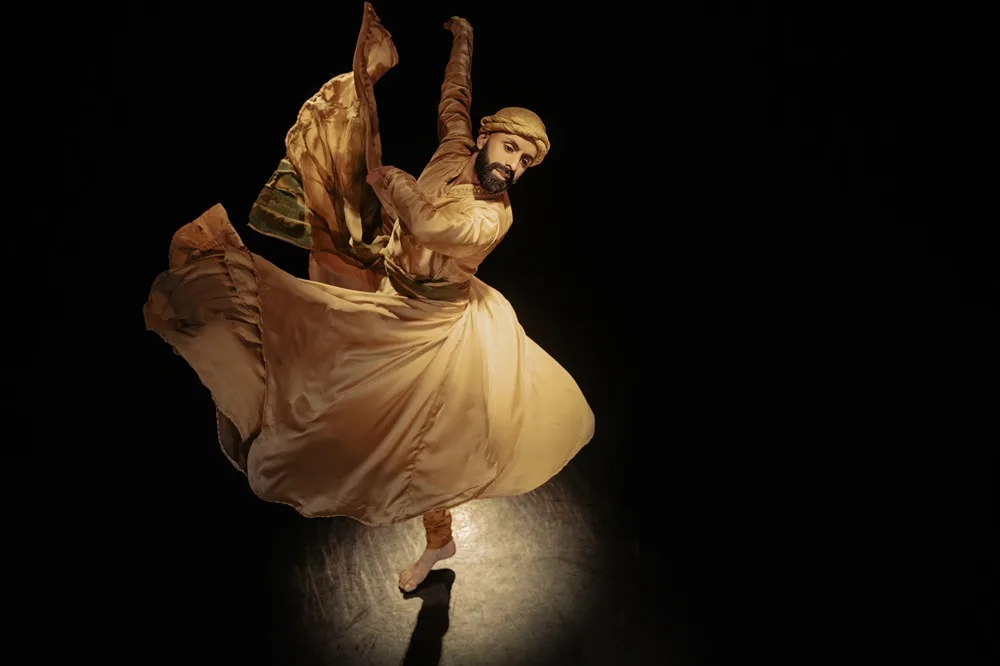
His solos are intensely physical and emotionally raw. When creating a new piece, he begins with movement, music, or a personal story, depending on what sparks the first idea. “Sometimes it’s music, sometimes it’s a visual element, and other times neither. Each time I dance, I feel I die a little. I leave a part of myself on stage. But through death, one can also find life. Through shedding, physically and emotionally, one finds new skin and deepens one’s purpose in life,” he mentions. “My solos are intense, but they are also countered with soft vulnerability and sensitivity. Through the rawness comes honesty and sincerity. I do what is needed to express the scene or moment—no more, no less—keeping it integral to the artistry and the art.”
Challenging norms through performance
Aakash Odedra’s recent show Mehek at Mumbai’s NMACC was an award-winning duet with Aditi Mangaldas, exploring a rarely depicted relationship between a mature woman and a younger man. “It is a story of the human heart, questioning societal norms. After all, if love conquers all, who are we to set boundaries around it?” he asks.
As a British-Indian artist, navigating two cultural identities has deeply shaped the themes he explores on stage. “I feel like a bridge that allows cultures to walk across or meet in the middle. In a world where invisible barriers are growing higher, I try to speak about the common denominator—humanity. Having a dual identity is like having parents from different cultures; you don’t want to disown either because you see the beauty in both. One becomes a hybrid, a cross-pollinator, and very quickly learns to navigate the ebb and flow of East and West, creating a confluence of rivers that both flow into the same ocean,” he says.
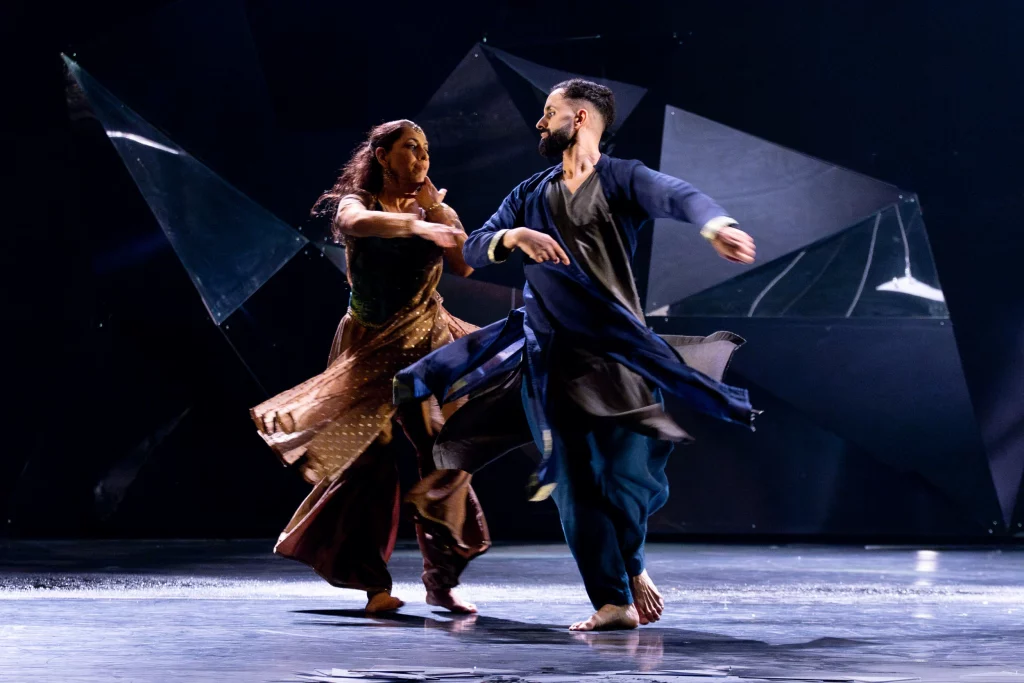
Aakash Odedra and Aditi Mangaldas performing for the show ‘Mehek’
A global creative dialogue
Odedra has worked with globally renowned artists and institutions, including Ravi Shankar at the Royal Opera House, and alongside choreographers such as Aditi Mangaldas, Akram Khan, and Sidi Larbi Cherkaoui. “Audiences interpret my work differently even within the same auditorium. Each individual comes with a unique set of experiences, and with that, they absorb the colour palette of dance in their own way. A lot of my work has a universal theme,” he says.
Reflecting on collaboration, he admits that the process has taught him the art of letting go. “I have come into this world empty and will leave empty. So when nothing is yours in the first place, why should one be precious about owning or controlling it? When a choreographer sits in front of me, I am a student. In general, I am not interested in being credited as the mind behind the success—I am interested in learning how to grow. It is only when you shed something that you gain something. One has to know how to let go. Letting go is the art of life—the more you give, the more you will receive,” he adds.
Making it matter
Many of his works explore themes such as mental health, vulnerability, and isolation—subjects that continue to recur in his choreography. “I don’t know—maybe that’s why they keep returning, because I haven’t found answers to them, and maybe I never will. But it is through my art that I explore, and explorations are often not completed with a single production—they may take lifetimes,” he explains.
Dance is often described as a universal language, yet it remains deeply cultural. He creates work that travels across cultures without losing its specificity by simply being honest. “It’s less about culture and more about expression—the most honest form of expression in that moment. Dance has been shaped by culture, and cultures have been shaped by dance. It is a living river, not a stagnant pool. As the river flows through nations, it picks up different tributaries along the way and makes them a part of itself,” he says.
His new production, Pavan, explores his warrior ancestry from Kathiawad, Gujarat. “I am delving into this world—Pandora’s box. It is bringing me closer to my roots and to my love for India and its heritage,” he concludes.
- Follow Aakash Odedra on Instagram
ALSO READ: Mukti Shri: Keeping Kathak’s spirit alive at home and abroad
Share with





Written By: Mallik Thatipalli