
November 16 2026
Kush Desai: The Gujarati-American who went from Trump’s White House podium to US intelligence
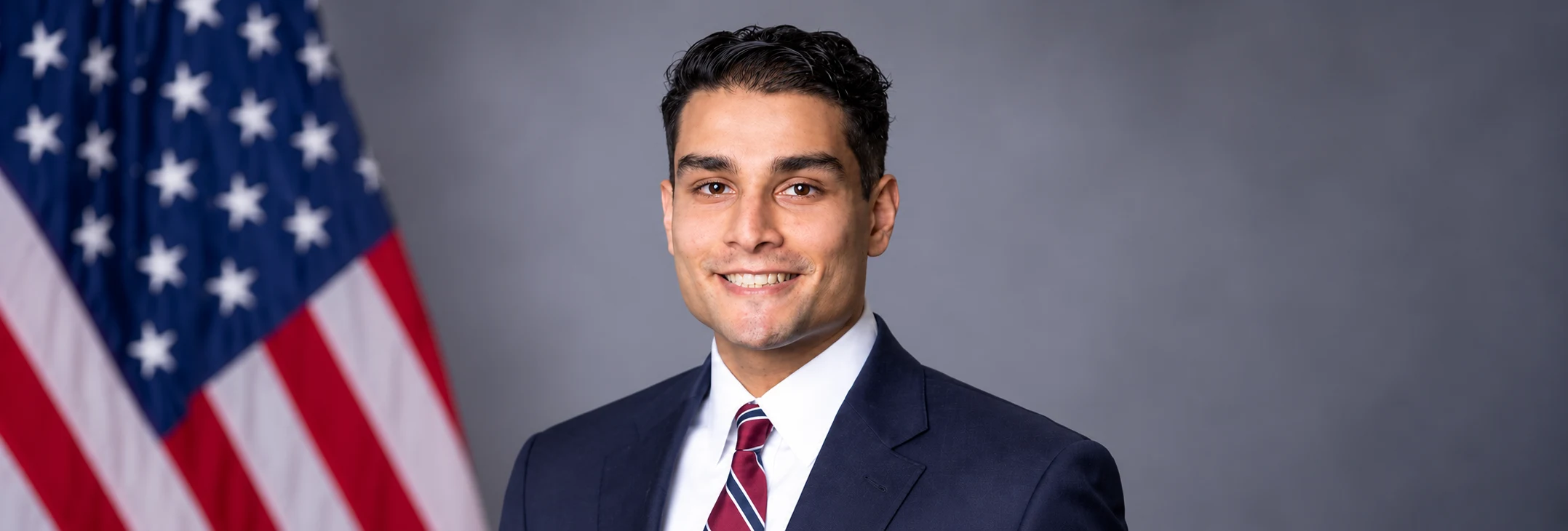
(Nov 16, 2026) The son of Gujarati-speaking Indian immigrants, Kush Desai went from researching colonial-era Indian newspaper advertisements at an Ivy League university in the United States to becoming a public voice of Donald Trump’s second-term White House. Now, as assistant director of national intelligence for strategic communications, he has taken on a different role at the heart of America’s intelligence establishment.
For nearly two years, Kush Desai was among the public voices of President Donald Trump’s second-term White House. As deputy and later senior deputy press secretary, he handled questions on the administration’s economic agenda, from tariffs and inflation to prescription drug prices. On September 30, 2026, he announced his departure from the White House to join the Office of the Director of National Intelligence (ODNI). He is now assistant director of national intelligence for strategic communications. His journey to Washington’s intelligence establishment began somewhere unexpected, in the archives of an American university, studying advertisements in colonial-era Indian newspapers.
Long before he answered reporters’ questions on tariffs, inflation and drug prices, Kush was examining English-language Indian newspapers published between 1900 and 1950. His attention was not on their headlines or political coverage but on their advertisements.
Working with historian Douglas Haynes, he studied how companies selling health and hygiene products marketed their goods and promoted particular Western notions of modernity. The advertisements did more than sell products. They also reflected changing ideas about appearance, respectability and what a socially acceptable man or woman should wear.
In a period before television advertising, newspapers offered a window into how consumer goods companies communicated aspirations and social expectations. The research gave Kush an opportunity to examine how commercial messages could influence perceptions and social norms in colonial India. It was an unusual academic starting point for someone who would later make a career out of communicating political messages.
A Gujarati home in America
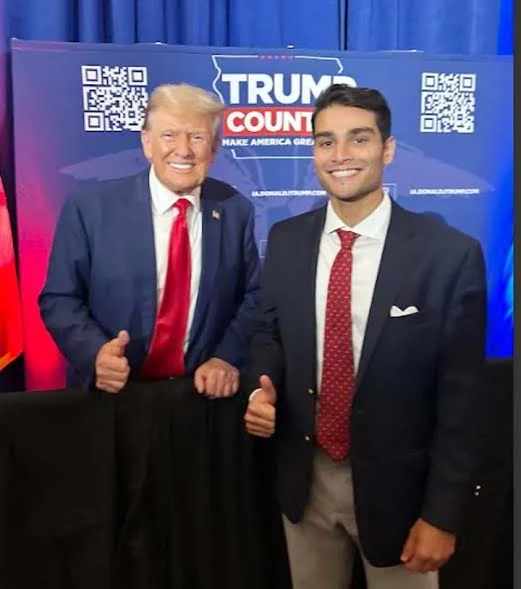
Kush grew up in the United States as the son of Indian immigrants. Gujarati was spoken at home, and he is fluent in the language, according to reports following his White House appointment.
His Indian heritage remained part of his identity as he pursued his education and professional ambitions in the US. The combination of an Indian family background and an American upbringing gave him a bicultural perspective, although his public career would develop primarily within the country’s political and media landscape.
He enrolled at Dartmouth College in Hanover, New Hampshire, in 2013. The Ivy League university would provide the setting for his first documented research project and his initial experience in student journalism.
Reading India through its newspaper advertisements
During his sophomore year, Kush Desai joined Dartmouth’s James O. Freedman Research Scholar programme, drawn by his interest in consumer marketing and its influence on social norms. Working with history professor Douglas Haynes, he spent the summer examining health and hygiene advertisements in old English-language Indian newspapers, studying how companies used consumer goods to promote Western ideas of modernity and shape notions of respectability for men and women.
The research showed him how historical trends often taken for granted in books must first be uncovered through close study. He also wrote for The Dartmouth Review, an independent conservative student newspaper, questioning the college’s focus on cultural appropriation debates. He graduated in 2017 with a Bachelor of Arts degree.
From reporting to political research
Kush began his professional career in Washington DC as a reporter for The Daily Caller, working there from 2017 to 2018. The newsroom gave him experience in identifying newsworthy developments, gathering information and seeking responses from people in positions of authority. He was now on the other side of the communication process he had studied at college.
In April 2018, he joined the Republican National Committee (RNC) as a research analyst. In March 2019, he became its director of vetting, a position he held until September 2021.
Vetting is an important part of political campaigns and party operations. It involves examining public records, statements and other available information to identify potential vulnerabilities and prepare for scrutiny. The work requires attention to detail and an ability to anticipate questions before they become public controversies.
His transition from journalism to political research brought him closer to the inner workings of the Republican Party and the preparation behind its public messaging.
His work took him from Iowa, where he served as communications director for the Republican Party, to Pennsylvania, where he became the RNC’s deputy battleground states and communications director in July 2024. The latter assignment placed him in one of the election’s most closely contested states, which Trump won along with the other six battleground states.
Behind the White House podium
In January 2025, the White House announced Kush Desai’s appointment as deputy press secretary. The announcement cited his previous experience as deputy communications director for the Republican National Convention, communications director for the Republican Party of Iowa and deputy battleground states and Pennsylvania communications director for the RNC.
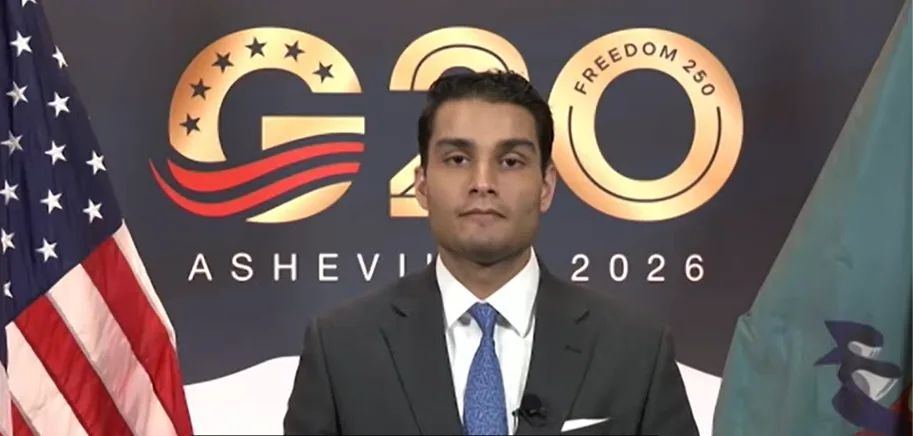
Kush marked the appointment on X with a cheerful reference to being back in the Washington DC groove. The position placed him within the communications team responsible for explaining and defending the administration’s policies to the press. Deputy press secretaries respond to journalists’ questions, prepare for briefings, communicate official positions and represent the White House in media interviews.
Kush was not the first Indian American to serve in the White House press operation. Raj Shah had held the position of principal deputy press secretary during Trump’s first administration, becoming one of the most visible Indian-American officials in the White House communications team.
Explaining the administration’s message
An April 2025 interview with conservative radio host Ari Hoffman on Seattle’s KVI offered an insight into how Desai approached his new responsibilities. Discussing the administration’s priorities, he emphasised the president’s central role in setting its direction.
“It all flows from President Trump,” Desai told Hoffman. “He’s setting the tone. We’re here to deliver results, not excuses.”
Asked about the administration’s biggest early achievement, he pointed to border security. He also described Trump as “a human battery”, referring to the president’s pace of work and expectations of his staff.
The interview also revealed his view of the changing media landscape. Political audiences were no longer relying exclusively on traditional television networks and newspapers. Podcasts, independent programmes and talk radio had become important channels for reaching people.
The American people aren’t just watching CNN anymore. They get their news from podcasts, independent shows, radio.
Kush Desai
Explaining the administration’s approach to these platforms, he added, “We’re meeting people where they are, not where the elites think they should be.”
The comments reflected the expanding media environment in which political communications teams now operate, with official messaging reaching audiences through an increasingly diverse range of platforms.
The economy and health policy beat
By 2026, Kush had become special assistant to the president and senior deputy press secretary. His portfolio covered some of the administration’s most closely scrutinised policy areas, including prescription drug pricing, tariffs, trade agreements, vaccines, the Federal Reserve and inflation.
These were issues with direct implications for American households, businesses and financial markets, and they frequently attracted questions from journalists.
On February 12, 2026, Desai appeared on the morning radio programme hosted by Curtis Sliwa and Larry Mendte, discussing the latest US jobs report and the administration’s economic record. In discussing the cost of living, he also promoted the administration’s initiatives on prescription drug prices, including the TrumpRx website and agreements with pharmaceutical companies.
The former reporter and political research analyst had become one of the administration’s public representatives on economic and health policy. His work involved explaining the White House’s interpretation of economic developments and responding to questions about its policy decisions.
From the White House to America’s intelligence community
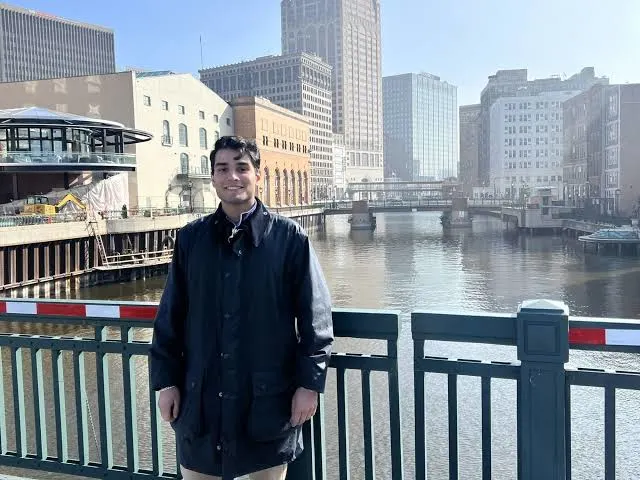
September 30, 2026, marked Desai’s final day at the White House. Announcing his departure on X, he described his time in the administration as the honour of a lifetime and said he would soon join the Office of the Director of National Intelligence.
Working alongside some of the most dedicated and brilliant patriots under President Trump has been the honor of a lifetime.
Kush Desai
His departure was also acknowledged by Anna Kelly, a fellow deputy press secretary who had shared his West Wing office. His new designation is assistant director of national intelligence for strategic communications, placing him in a senior communications role within America’s intelligence establishment.
Established after the September 11, 2001, terrorist attacks, ODNI was created to address gaps in information-sharing and coordination among US intelligence agencies. It integrates the work of the country’s 18 intelligence elements, including the Central Intelligence Agency, the National Security Agency and intelligence units within other government departments. It also provides assessments to the president, policymakers, military leaders and Congress.
Desai’s strategic communications role spans three areas — public affairs and media relations, internal communications with the intelligence workforce, and multimedia. The work includes responding to media enquiries, developing communication strategies, keeping employees informed and helping the public understand the intelligence community’s mission.
It is a different challenge from his White House role. Political spokespeople explain and defend an administration’s policies, often amid immediate public controversies. Intelligence communications must balance public understanding and transparency with the need to protect classified information and sensitive operations.
Former White House press secretary Karoline Leavitt praised Desai’s work, describing him as “one of the smartest and hardest working people I’ve met in Washington”.
The move marks another chapter in a career that has taken him from a college research project to the centre of American political communications and now to the country’s intelligence establishment.
At Dartmouth, he examined how advertisements in colonial-era Indian newspapers promoted ideas of modernity and influenced social expectations. Years later, he was explaining a US president’s policies to journalists and audiences across the country. Now, he is helping communicate the work of an institution whose activities are often necessarily shielded from public view. The settings have changed considerably, but communication has remained a constant in Desai’s professional journey.



Written By: Darshana Ramdev
From AI to the FBI, the Indian-American Trump nominees who will lead the way in 2025

Written By: Charu Thakur
Meet Sriram Krishnan, the Indian American named Trump’s AI Advisor

Written By: Darshana Ramdev