
October 21 2026
Katya Coelho: Riding the wind from Goa to the Asian Games
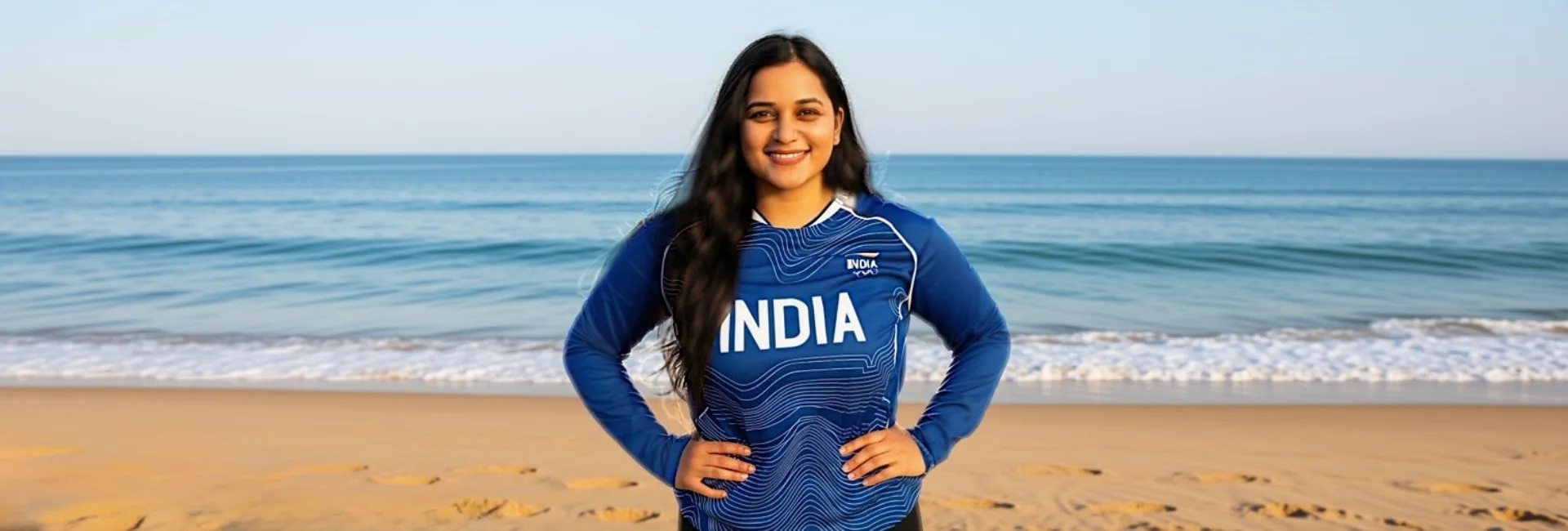
(Oct 21, 2026) India’s first windsurfer to win an international medal in iQFOiL, the Olympic windsurfing class, Katya Coelho secured silver at the 2022 Pattaya International Windsurfing Cup. With 21 national gold medals and two Asian bronze medals to her name, the Goan athlete qualified for the women’s iQFOiL event at the 2026 Asian Games in Japan, earning her second Asian Games appearance.
When Katya Coelho stepped onto a windsurfing board for the first time and held the sail, it pulled her in different directions even as the board moved beneath her feet. She was just 11, and she was scared.
Over the years, her father, Donald Coelho, a former national windsurfing champion of India, ensured that his daughter learnt to balance and work with the wind. Eventually, Katya’s love for the powerful, unpredictable ocean and years of consistent training took her around the world to compete.
“My journey hasn’t been a straight line. There were times when I questioned myself, was frustrated, and at times wondered how much longer I could keep pushing. But I always found my way back to the water,” says Katya, one of India’s leading windsurfers, in a conversation with The Global Indian.
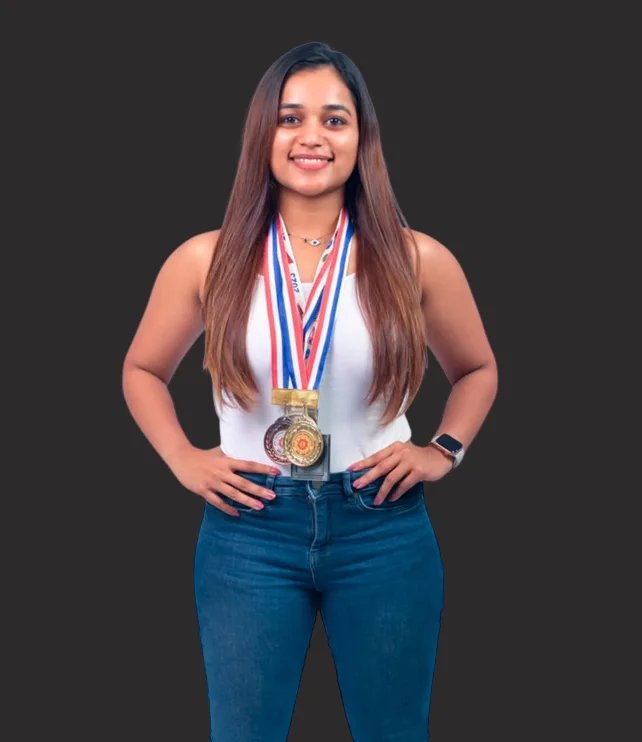
Growing up in Goa, the ocean was always around her, but she never imagined it would become such a big part of her life. She went on to win 21 national gold medals and two Asian bronze medals. In 2022, she won silver at the Pattaya International Windsurfing Cup in Thailand, becoming the first Indian to win an international medal in the iQFOiL category.
In 2026, she returned to the Asian Games in Japan after overcoming the disappointment of being excluded from the previous edition in China. Her journey to securing a place in the Indian contingent was a test of persistence, competitive ability and resilience.
The road back to the Asian Games
For Katya, qualifying for the 2026 Asian Games carried significance beyond another international appearance. She had qualified for the 2023 edition in Hangzhou, China, but was dropped from the final Indian contingent shortly before the competition because she did not meet the government’s performance benchmark for athletes in the sport.
The setback was difficult to process after she had completed the selection trials and prepared for the event. Yet she continued training and competing, determined to earn another opportunity.
Her return began with the national selection trials held as part of Sail India 2026, where she topped the women’s iQFOiL category. However, winning the domestic trials was not enough to guarantee her place. Under the performance pathway established by the government and the Indian Olympic Association (IOA), sailors also had to meet an international performance benchmark against Asian competitors.
Katya travelled to Europe for two major competitions, the Princess Sofia Regatta in Spain and French Olympic Week. Travel disruptions linked to the situation in West Asia made the journey difficult, but she competed at both events and finished among the top five Asian competitors.
The results secured her clearance to represent India in the women’s windsurfing iQFOiL event at the Aichi-Nagoya Asian Games in Japan. She became the only Indian windsurfer to qualify for the Asian Games in the iQFOiL category for a second time.
The qualification was particularly meaningful after what had happened in 2023. It also marked her return to the continental competition following her appearance at the 2018 Asian Games in Jakarta, where she competed in the mixed RS event.
The challenges in Japan
The Asian Games in Japan brought their own set of challenges. For Katya, one of the most emotionally difficult aspects was the uncertainty she had experienced in the lead-up to the competition. The prolonged selection process had affected her preparation, making it harder to follow the routine she would normally maintain before a major event.
Another challenge was travelling without her father, who has coached and mentored her since 2012. He had been part of several important milestones in her career, including the Youth Olympic Games and the 2018 Asian Games.
“Having him by my side has always been a source of reassurance, so competing at such a major event without his support was difficult,” says Katya, who had to manage several things independently while remaining focused on her performance.
The weather in Japan added another layer of unpredictability. The competition was expected to run over five days, but the conditions meant she raced on only two.
In windsurfing, the wind and weather dictate the competition. Preparation aside, one cannot control whether there will be enough wind to race.
Katya Coelho
On the first day, she completed five races and spent more than three hours on the water, making it physically exhausting. There was also an unexpected personal setback. While changing hotel rooms, Katya discovered that her wallet had been stolen. It contained her passport, cash and cards.
“Suddenly, I had to deal with a very stressful situation in a foreign country while preparing for an important competition,” recalls says Katya, who had previously won two bronze medals at the 2015 Asian Windsurfing Championships in Enoshima, Japan..
She reported the theft to the local police and sought assistance from the Indian Embassy. At one point, she did not even have money for food until someone from the team helped her the following day.
“It was a lot to manage. But these experiences reminded me how much happens behind the scenes in an athlete’s life that people never get to see,” she says.
From Goa to the international circuit
One of Katya’s earliest milestones was qualifying for the Youth Olympic Games in Nanjing, China, in 2014. The experience introduced her to the scale and demands of international sport.
I was young, and suddenly I was meeting athletes from different countries, competing on a much bigger stage and realising that something I had started in Goa could take me around the world.
Katya Coelho
She was the first and only female windsurfer from India to participate in the event. The experience broadened her understanding of the sport and gave her a glimpse of what she could pursue beyond national competitions.
In 2015, she won two bronze medals at the Asian Windsurfing Championships in Enoshima, Japan. Three years later, she represented India at the Asian Games in Jakarta alongside her brother, Dayne Coelho.
These experiences helped her build a foundation in international competition, where sailors must adapt to unfamiliar waters, changing weather conditions and competitors with different levels of experience.
Making history in iQFOiL
In July 2022, Katya secured second place at the Pattaya International Windsurfing Cup in Thailand. The silver medal made her the first Indian to win an international medal in the iQFOiL category, marking a significant milestone for Indian windsurfing.
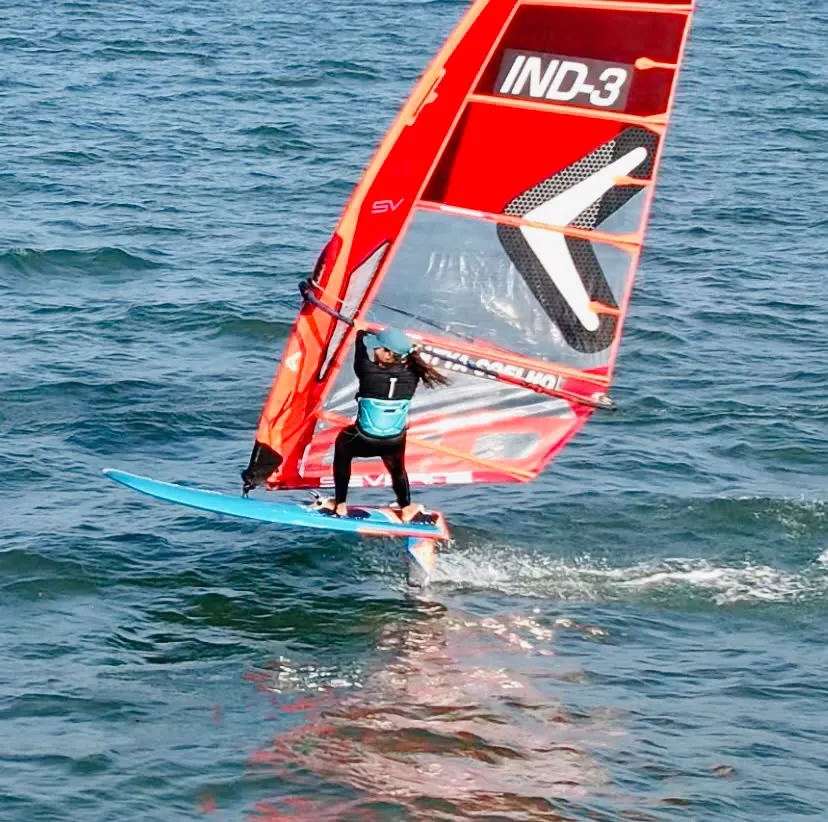
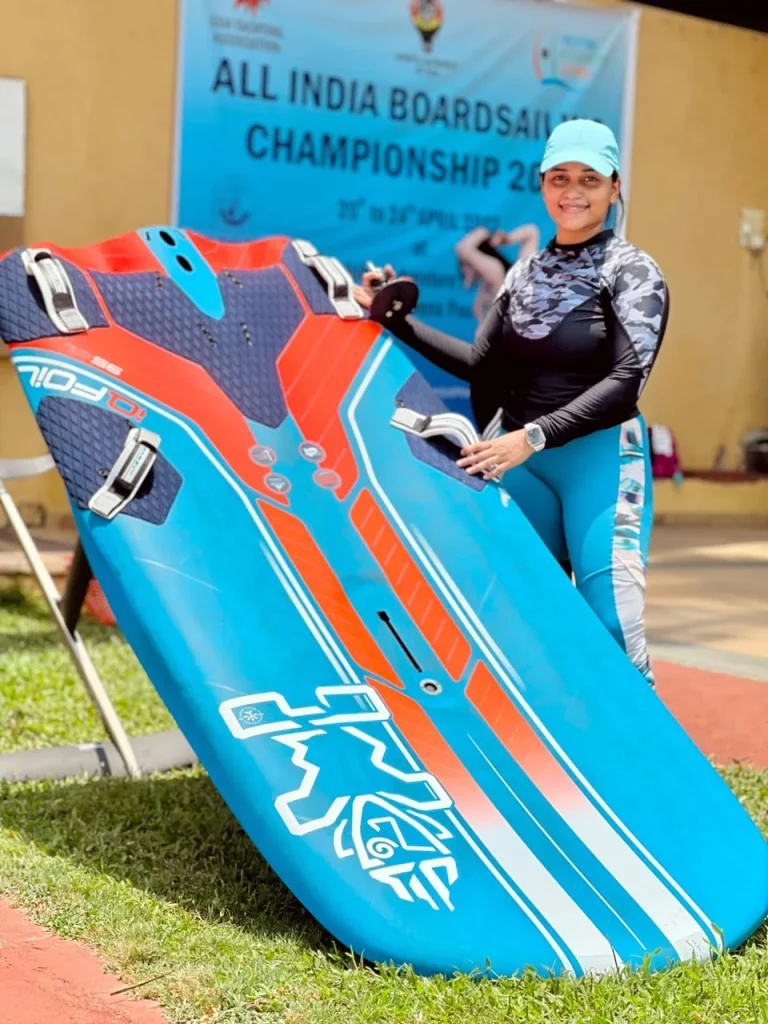
iQFOiL is a windsurfing discipline in which the board rises above the water on a hydrofoil, reducing drag and allowing it to travel at high speeds. The equipment requires a different set of technical skills from conventional windsurfing, including precise balance and control.
Becoming India’s first female iQFoiler was a proud moment. For me, that is about more than a title. It means helping create a path for other Indian girls who might want to take up this sport.
Katya Coelho
Her achievement was particularly significant in a sport that remains relatively unfamiliar to many Indians. She hopes that her experience will encourage more girls to consider windsurfing and help make the discipline more visible in the country.
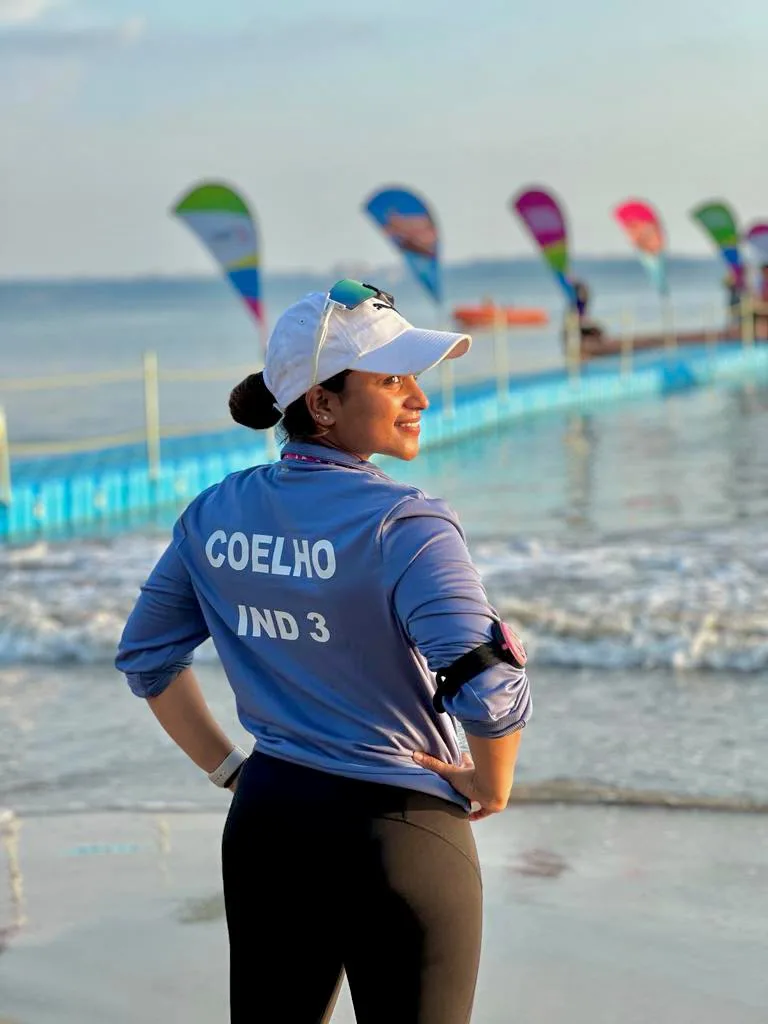
Learning to work with the wind
Born on August 13, 1999, in Goa, Katya completed her schooling at European School of Goa in Saligao. Her father shaped her sporting journey from the beginning, teaching her the fundamentals of windsurfing as well as the patience needed to master it.
“He taught me the basics, but he also taught me patience. You fall, get back on the board, fall again, and eventually something starts to make sense,” she says.
Her mother has been an important source of mental support, helping her prepare for significant moments, whether a major competition or speaking in front of an audience at a TEDx event. Her brother Dayne has also been a constant presence in her sporting life. Having grown up sailing together, the siblings share an understanding of the demands of the sport and the commitment it requires.
“We grew up sailing together, so windsurfing was something we shared as a family,” says Katya.
The physical and mental demands
Windsurfing may appear straightforward to those watching from the shore, but competing at an international level demands a combination of physical strength, endurance, balance, coordination and technical ability. Sailors must also make quick decisions as the wind and water conditions change.
“At the international level, you need a combination of strength, endurance, balance, coordination, technical ability and the ability to make quick decisions under pressure,” she says.
Katya’s training includes time on the water, where she works on sailing technique, speed, starts, manoeuvres and race strategy. Physical conditioning helps her manage the equipment and sustain her performance throughout a race or a full day of competition.
“Core strength and balance are particularly important because you are constantly adjusting your body to the movement of the board and the pull of the sail.” Her routine also includes mobility exercises, coordination work and cardiovascular training. Recovery is equally important, she says, because repeated training without sufficient rest can eventually affect performance.
Nutrition supports the demands of her training. Her diet includes protein sources such as eggs, paneer, chicken and fish, alongside vegetables, rice, roti and other carbohydrates. Hydration is particularly important when she spends several hours outdoors in the sun and wind.
For someone considering the sport, Katya believes patience is essential. Progress requires a willingness to learn continuously, accept setbacks and become more comfortable with conditions that cannot always be controlled.
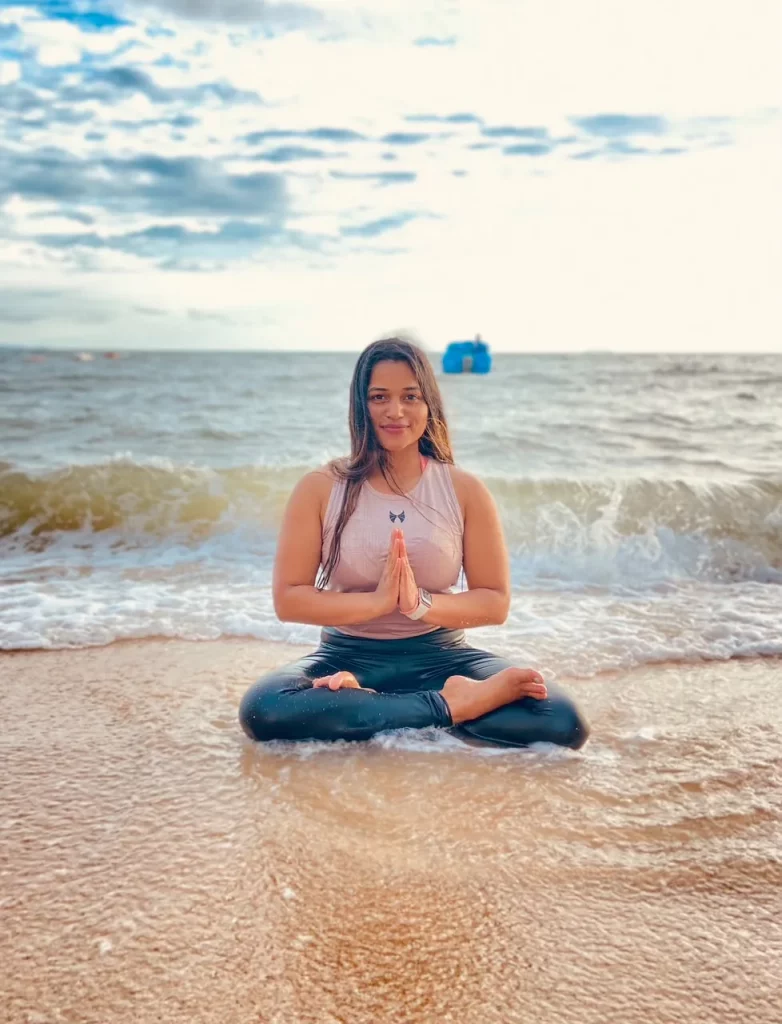
Respecting the ocean
Despite years of experience, Katya admits that windsurfing can still be frightening.
“Anyone who tells you that they are never afraid on the water probably hasn’t been honest with themselves!” she says. The ocean can be beautiful, but it is also powerful and unpredictable. Sailors may prepare for a particular set of conditions only to find the wind becoming harsher, the water rougher or the weather changing once they are out on the water.
You can prepare for a particular set of conditions, but once you’re out there, the wind can get harsh, the water can become rough and the weather can change. You have to respect the conditions.
Katya Coelho
Experience helps athletes respond to changing circumstances, but it does not remove the need for caution. For Katya, understanding the limits of what she can control is an essential part of being a windsurfer.
Women on the water
As a woman in a physically demanding sport, Katya has also had to contend with perceptions about who belongs in water sports.
“Windsurfing is physically demanding, and there is still a perception that certain water sports are more suited to men,” she says. She has learnt to focus on performance while becoming comfortable with her own body and what it enables her to do.
“As a woman athlete, people sometimes focus on how you look rather than what your body can do. But your body is your instrument in sport.” She wants young girls to understand that they do not have to fit a particular image to become athletes. They can enjoy fashion and beauty while also being strong, competitive and physically capable.
“You can be feminine, enjoy fashion and beauty, and still be strong and competitive. You don’t have to choose one identity over the other,” she says. For Katya, making the sport more welcoming involves challenging assumptions about women athletes and showing that sporting ability cannot be defined by appearance.
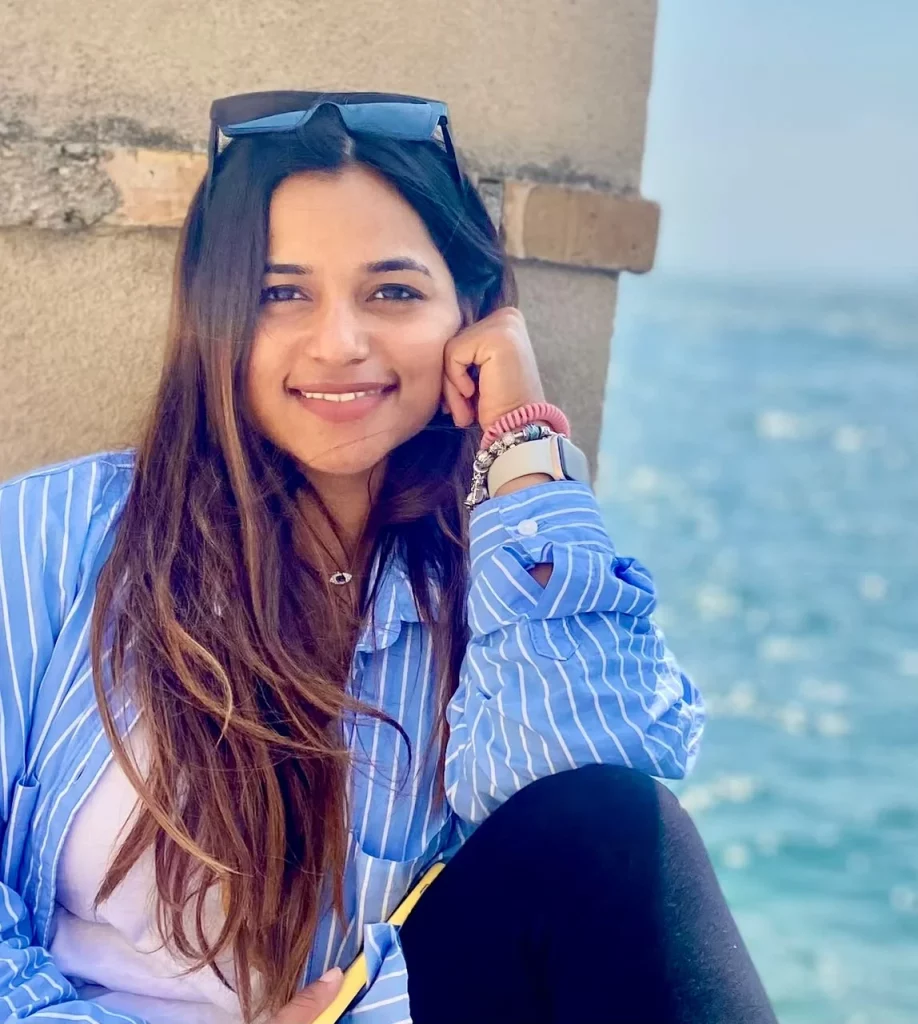
Making windsurfing more accessible in India
The cost of windsurfing is another significant barrier, particularly for those aspiring to compete internationally. “I think the cost is one of the biggest barriers preventing more young Indians from taking it up seriously,” Katya says.
Unlike sports that can be started with relatively inexpensive equipment or at a nearby facility, windsurfing requires access to suitable waters and wind conditions, as well as a board, sails, a mast, a boom and other essential equipment. Training and travelling for international competitions add to the expense.
She believes India has considerable potential to develop more windsurfers. The country’s long coastline offers varied conditions, while young people could benefit from greater opportunities to learn the sport.
But natural advantages alone cannot create a sustainable pathway for athletes. Access to equipment, qualified coaching and regular training opportunities is essential, as is financial support that allows promising sailors to progress.
We need a system that allows young athletes to access the sport, receive proper training and progress without having to worry constantly about whether they can afford the next step.
Katya Coelho
Katya believes schools and local sailing clubs can work together to introduce children to windsurfing and other water sports. The Sports Ministry, sailing associations and state sports bodies also have a role to play in making the sport more accessible and creating a clearer pathway for young athletes.
Looking ahead
After dedicating years to competitive windsurfing, Katya is taking time to reflect on what she wants the next chapter of her life to look like.
“Right now, I’m taking some time to reflect on my journey and what I want the next chapter to look like,” she says.
She is considering exploring interests beyond competitive sailing and may put the sport on the back burner for a while. The decision is not easy after years of training, travel and competition, but she believes it is important to be honest with herself about what she wants next.
Alongside sailing, Katya has been exploring content creation, lifestyle and wellness. She enjoys sharing aspects of her life that audiences may not see when they follow her as an athlete. “There is so much more to being a sportsperson than the races and medals, I want to tell those stories too,” she says.
From her first uncertain attempts on a windsurfing board in Goa to earning a place at the Asian Games twice, Katya’s journey has involved learning to adapt to changing conditions, on the water and beyond it. As she considers what comes next, she hopes that her experience will also help more young Indians, particularly girls, see windsurfing as a sport they can pursue.
ALSO READ: The ‘Chak De!’ Moment: Indian women’s hockey team wins Asian Games gold after 44 years
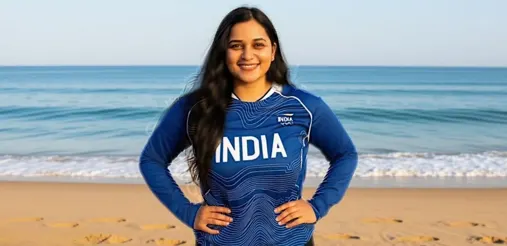
Katya Coelho
| Born | Aug 13, 1999 |
| Based | Goa, India |
| Studied | European School of Goa | The Ardee School of Goa |
| Languages | Konkani, Hindi, English |
Idea
To promote windsurfing and encourage more young people to take up the sport.
Network
Trained and mentored by her father, Donald Coelho, and supported by her family, sailing clubs and India's sporting ecosystem.
Impact
Pioneered India's international iQFOiL achievements and aims to make windsurfing more accessible to the next generation, especially girls.
Inspired by Katya Coelho 's journey?
Yours follows the same Hero's pattern — Separation, Initiation, Transformation, Return.
Share with


Written By: Amrita Priya
The ‘Chak De!’ Moment: Indian women’s hockey team wins Asian Games gold after 44 years

Written By: Vikram Sharma
Bhavani Devi: The fencer who brought Indian fencing to the Olympic spotlight

Written By: Amrita Priya