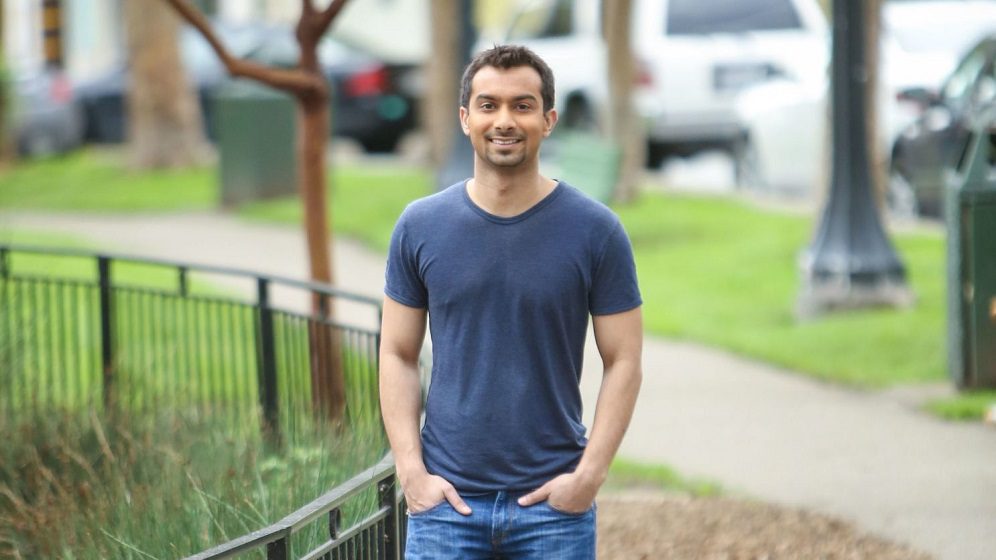


(March 16, 2026) OpenAI has appointed Arvind KC as its chief people officer, placing a seasoned technology leader at the centre of how the artificial intelligence company manages its next phase of growth. As the company expands rapidly following the global adoption of generative AI tools, Arvind will oversee hiring, onboarding, talent development, and the internal systems that enable teams to collaborate and perform at scale.
His career spans several of Silicon Valley’s most influential technology companies. Before joining OpenAI, Arvind served as vice president of engineering at Google, chief people and systems officer at Roblox, and earlier chief information officer and head of people operations at Palantir Technologies. He also worked at Meta (then Facebook) building internal products focused on collaboration and people processes. Across these roles, he has worked at the intersection of engineering, systems design and organisational leadership, helping companies build not only products but also the structures that allow teams to work effectively together.
At OpenAI, the position carries a broader mandate than traditional human resources leadership. The role focuses on building systems that allow technical teams to move quickly while maintaining strong collaboration, accountability and performance standards.
Announcing the appointment, Fidji Simo, CEO of Applications at OpenAI, emphasised the importance of scaling carefully as the company grows. “We believe the way we scale OpenAI should reflect the future we’re helping to create. Arvind will play a key role in ensuring our people processes, policies and systems match our ambition, while preserving the culture and operating principles that have helped us get here.”
For Arvind, the moment reflects a wider shift happening across industries. “This is a moment where every organization is being asked to rethink how work happens, what teams need, how people grow, and how to adapt as the tools change,” he said.
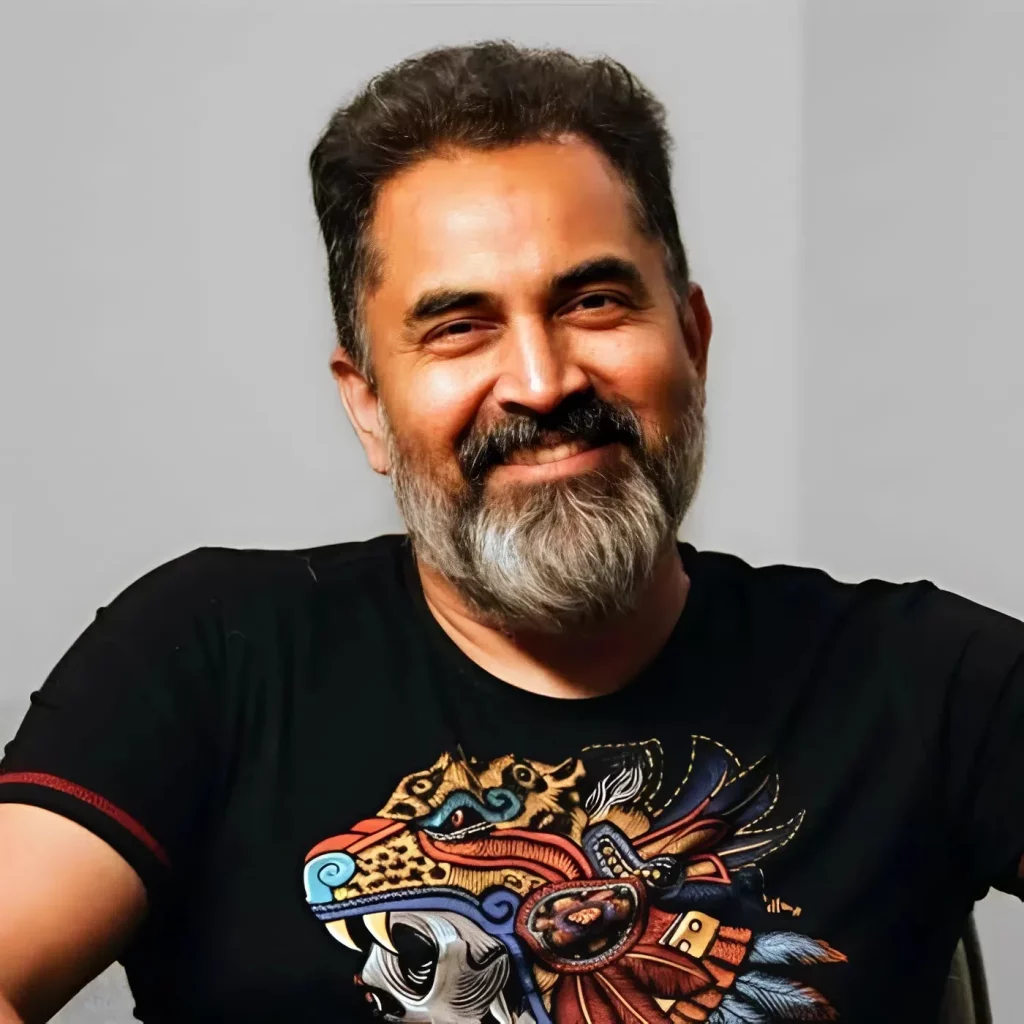
The Mumbai education that shaped an engineer’s mindset
Long before his career took him through Silicon Valley’s leading technology firms, Arvind’s academic foundation was built in Mumbai. He studied chemical engineering at the Institute of Chemical Technology, before later earning an MBA from Santa Clara University in California.
Engineering training, he has noted, changes how one approaches complex problems. It encourages breaking systems down into components, understanding how they interact, and building solutions step by step. Over time he began to see leadership in a similar way, not as an instinct but as a discipline that can be developed.
The path to leadership is a very deliberate path, just like learning any technology. It’s a craft you learn by surrounding yourself with people who are good at it, by reading a lot and by getting feedback.
Arvind KC
Learning early that human connection drives performance
One of Arvind’s earliest leadership experiences involved managing teams across several countries. On paper the arrangement worked as projects moved forward, updates were exchanged regularly and deadlines were met. Yet something was missing. “It took me a while to realise that the time you spend face to face is incredibly important,” he reflected in a podcast. Informal interactions like a shared meal, a walk, a conversation outside formal meetings, often strengthened teams more than any scheduled call.
The lesson stayed with him. High-performing organisations may rely on systems and processes, but the relationships between people remain the foundation on which those systems function.
Facebook and the discipline of scaling ahead
Arvind’s time at Facebook exposed him to a very different challenge. He was leading within a company experiencing extraordinary growth. As teams expanded quickly, leaders had to constantly anticipate future needs rather than react to immediate pressures. One question began to guide his thinking: does the organisation have the team it will need tomorrow?
If you don’t have the team for tomorrow right now. You’re going to be at a significant disadvantage tomorrow.
Arvind KC
Equally important was the role culture played in shaping behaviour. Arvind came to define culture as what people do when they are not being told what to do. At Facebook he observed how open discussions about experiments including failures encouraged employees to move quickly and try new ideas. “We would talk openly about failures,” he said. “The focus was always on what we learned.” The result was a workplace where experimentation was normal rather than risky.
Palantir and the role of mission in unlocking effort
Arvind’s move to Palantir offered a different organisational environment where mission played a powerful role in motivating teams. What stood out was how strongly employees connected their work to the broader impact the company hoped to create. “The people were so bought into the mission and the positive impact the company could have,” he observed.
That sense of purpose often translated into extraordinary effort. At the same time, he noticed how the company trusted people with significant responsibility early in their careers. “You could be really young and still be given outstanding opportunities,” he said. “People who aren’t constrained by experience sometimes try very different things.” Watching that dynamic unfold reinforced his belief that organisations perform best when they trust people early and give them meaningful responsibility.
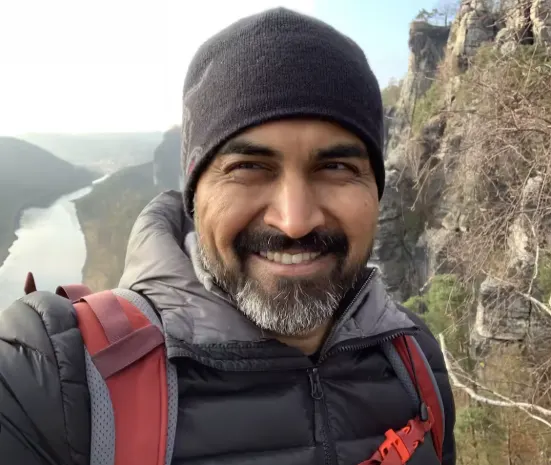
Where technology meets people leadership
Over time Arvind’s career evolved toward a combination of responsibilities rarely held by a single leader, overseeing both technical systems and people operations. Rather than treating the two areas separately, he began to see them as complementary. Technology provides structure and analytical clarity, while people leadership requires empathy and understanding.
“If you combine engineering rigor with empathy and a service mindset,” he said, “the effectiveness of the organisation compounds.” One approach he frequently advocates is building empathy by actually doing the work of the teams you are designing systems for.
“The best way to cultivate empathy is to go do the job,” he explained. At the same time, he believes people functions must also operate with data and logic, especially in engineering-driven organisations.
Why leadership must combine challenge and support
Arvind often describes leadership as balancing two responsibilities: pushing people to grow while helping them succeed. Being supportive without setting high expectations can limit potential, he argues, while pushing people without support erodes trust.
“It’s not about your success,” he said. “It’s about helping other people be successful.” That principle also shapes how he approaches hierarchy. While organisational structure is necessary, leaders must ensure that it does not silence open conversation. People who bring forward a different perspective, he notes, often do so at some personal risk. Recognising that effort is part of responsible leadership.
Leadership begins with internal transformation
For Arvind, the foundation of leadership lies in personal development. Many discussions about leadership focus on external techniques like communication strategies or management frameworks. Arvind believes the deeper work happens internally.
People talk about what external things they need to do to be a good leader.But the right question is what internal transformation you want to achieve in life.
Arvind KC
That perspective shapes his daily routines. Practices such as exercise, spiritual reflection, nutrition and sleep are not optional habits but foundations for sustained performance.
The challenge ahead at OpenAI
As OpenAI expands, Arvind’s role will involve helping the company rethink how teams operate in an environment where artificial intelligence is increasingly integrated into everyday work.
He believes organisations are entering a new phase where teams consist of humans working alongside intelligent tools.
The team is no longer just humans. It’s humans and machines working together.
Arvind KC
That shift raises new questions about skills, leadership and organisational design that many companies are only beginning to confront. At OpenAI, Arvind is now set to sit at the centre of those questions, helping shape the systems that allow people to work effectively as technology transforms the workplace.
In many ways, the challenge reflects the arc of his career itself that has revolved around building structures that allow people and technology to work together, while ensuring that organisations remain human at their core.
- Follow Arvind KC on LinkedIn
ALSO READ: Nikhil Ravishankar: From immigrant child to CEO of Air New Zealand