
June 28 2026
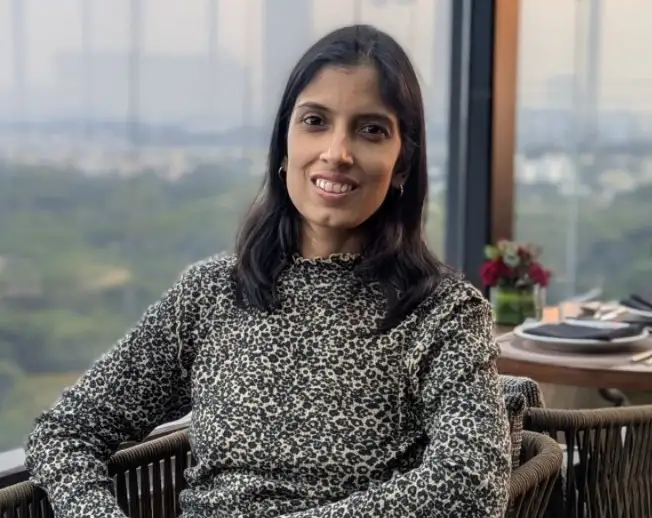
Nandita Chakraborty: Indo-Australian filmmaker bringing migration, memory and food to ‘Shared Table’
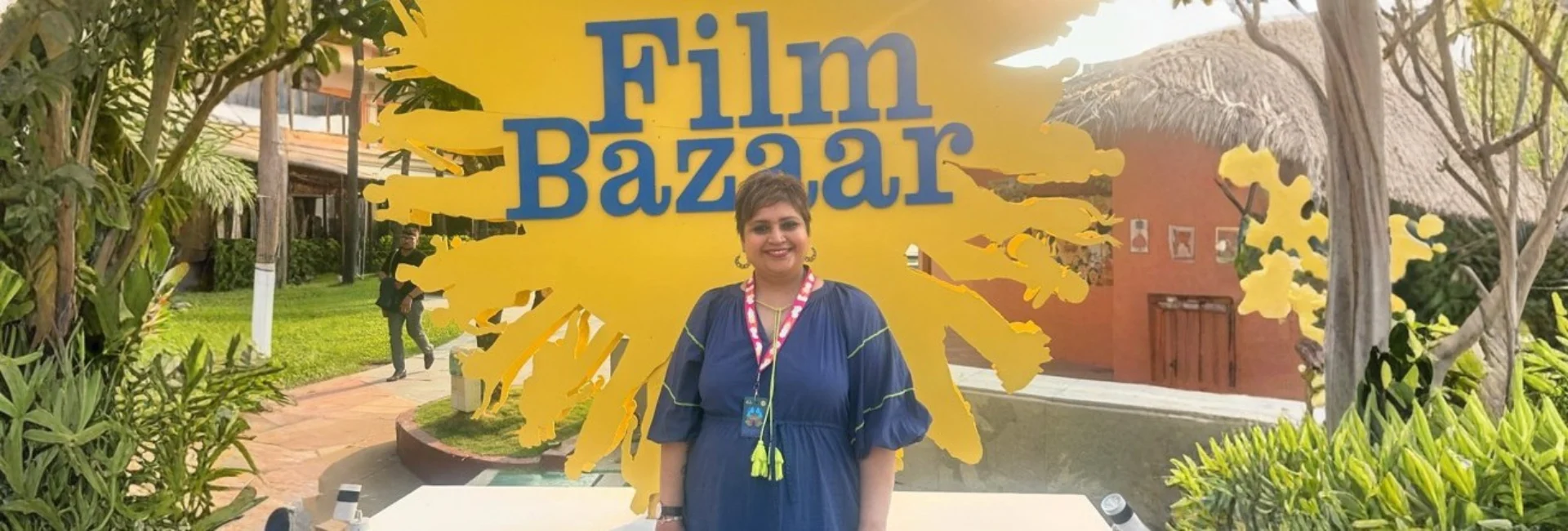
(Jun 28, 2026) ‘Shared Table: Regional Heroes’, an Australian documentary by Melbourne-based Indian-Australian author and filmmaker Nandita Chakraborty, has been acquired by Cinepolis India, the Indian subsidiary of the Mexican multinational cinema chain, following its world premiere at the 2026 Mumbai International Film Festival (MIFF) held between June 15–21. The film was the only Australian entry selected for MIFF.
A simmering curry bursting with flavour. The aroma of freshly baked bread drifting through the kitchen. The comforting scent of a childhood recipe passed down through generations. Food has an extraordinary ability to transport us across time and borders, and it is this universal emotion that sits at the heart of Shared Table: Regional Heroes, directed by Nandita Chakraborty.
For Chakraborty who was conferred the Victorian Multicultural Commission Excellency Award in 2023, these sensory memories are not abstract metaphors but lived experience. As an Indian-born Australian filmmaker, her journey has been shaped by migration, adaptation, and the continuous negotiation of identity.
A shared table of stories
At its core, ‘Shared Table: Regional Heroes’ unfolds as an unscripted road trip across regional Victoria in Australia, following a group of filmmakers as they engage with four migrant communities who open their homes and kitchens. Through shared meals and everyday conversations, the film gently opens up layered questions of identity, displacement, cultural memory, and belonging—revealing how ordinary lives form the quiet backbone of regional Australia’s social fabric.
Rather than treating food as a theme in isolation, the documentary uses it as an entry point into lived experience. Each meal becomes a moment of exchange, where stories of migration journeys, personal loss, resilience, and the search for home in unfamiliar landscapes emerge naturally.
Across cultures, silence is often broken over a cup of tea, a shared meal, or the simple act of breaking bread. Around the table, people open up in ways they might not otherwise.
Nandita Chakraborty
The documentary’s theme aligns closely with Chakraborty’s own lived experience of migration. Having moved to Australia 25 years ago, she describes her life as an ongoing search for fragments of language, culture, and identity—sometimes grounding, sometimes unsettling, but always shaping how she tells stories.
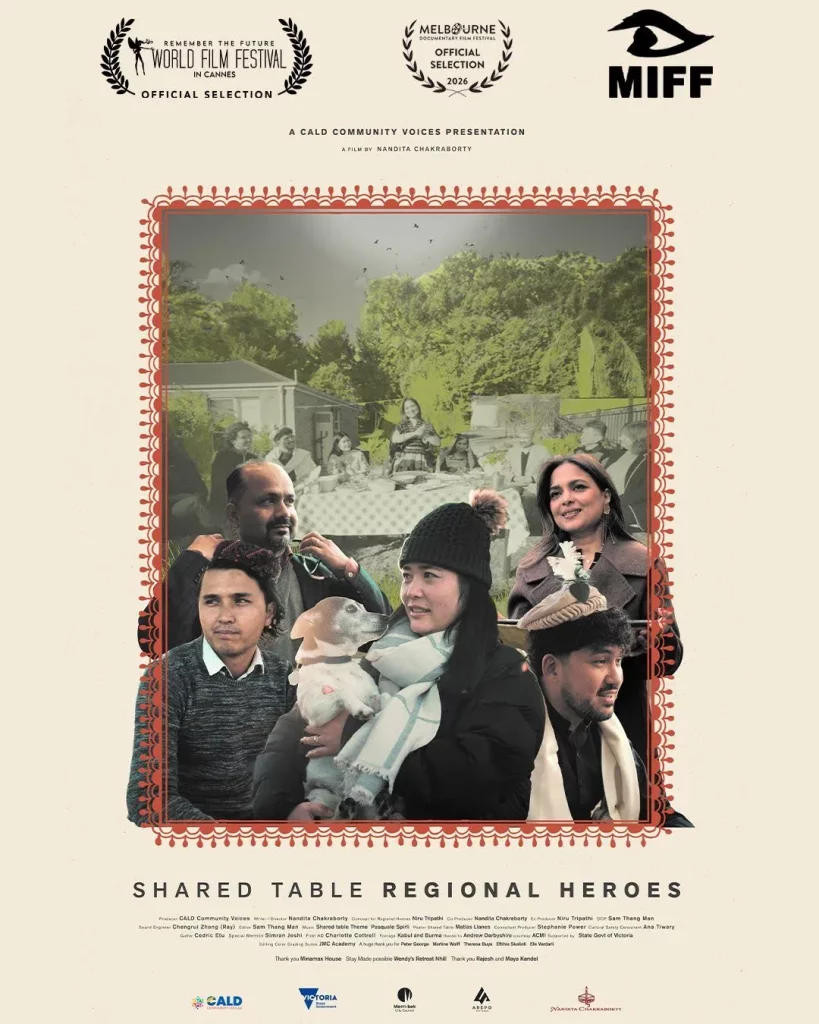
Made with a small team under tight timelines and across challenging regional landscapes, the documentary mirrors the resilience of the communities it portrays. Rather than offering conclusions, ‘Shared Table: Regional Heroes’ opens conversations around identity, racism, and belonging, inviting viewers to listen more deeply.
If this film encourages even one shared table, one difficult conversation, or one shift in perspective, then it has fulfilled its purpose.
Nandita Chakraborty
A life across cultures
Born in Kolkata, raised in Shillong and Delhi, and now based in Melbourne, Chakraborty’s life has unfolded across multiple geographies, each leaving a distinct imprint on her identity. She studied Political Science at Sri Venkateswara College in Delhi, explored design and aesthetics at the JD Institute of Fashion Technology, and later moved to Australia to pursue Film and Television at JMC Academy.
“Each place contributed a different layer to my worldview,” she shares with The Global Indian. While Kolkata nurtured her imagination and love for storytelling, Shillong exposed her to India’s multicultural textures, Delhi deepened her understanding of society and human relationships, and Australia provided the language of cinematic expression.
As someone who has lived between cultures, I am deeply committed to telling stories that connect people across borders and celebrate our shared humanity.
Nandita Chakraborty
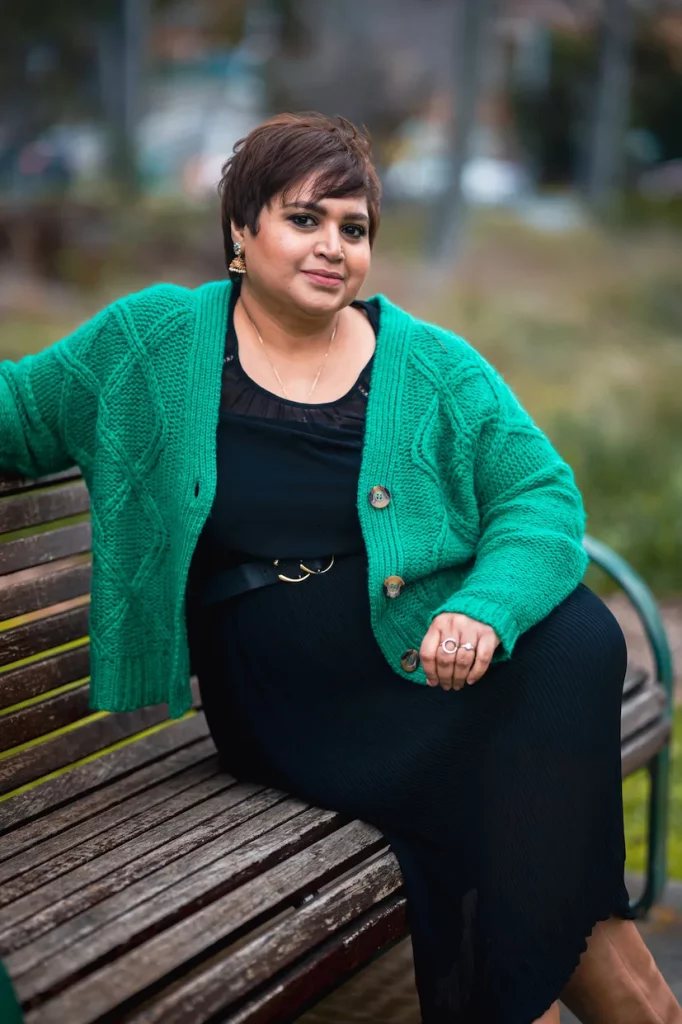
Nandita Chakraborty | Photo Credit: Artsy Shutters
The turning point
In 2011, Chakraborty’s life changed dramatically after a rock-climbing accident left her with a traumatic brain injury and permanent cognitive disability. It was a moment that could have narrowed her world, but instead reshaped her understanding of it.
“Overnight, I went from being physically active and independent to learning how to live with a permanent disability. It was one of the most difficult periods I have ever experienced,” she recalls.
Yet the experience brought unexpected clarity. It taught her not to postpone life or wait for ideal conditions. “Life is fragile, and every day is a gift,” she says. “During rehabilitation I discovered writing as a way of processing grief, rebuilding confidence, and rediscovering purpose.” It became a bridge, first to healing, and later to filmmaking, where stories could extend beyond the self and into shared experience.
From page to screen
Chakraborty first emerged as an author with books such as Meera Rising (2016), Rosemary’s Retribution (2018), and Dirty Little Secrets (2021). In recent years, her creative practice has increasingly shifted towards documentary storytelling.
‘Shared Table: Regional Heroes’ marks a significant milestone in that journey. The film premiered in the international competition section of the Mumbai International Film Festival and its acquisition by Cinepolis India signals its upcoming reach to wider audiences.
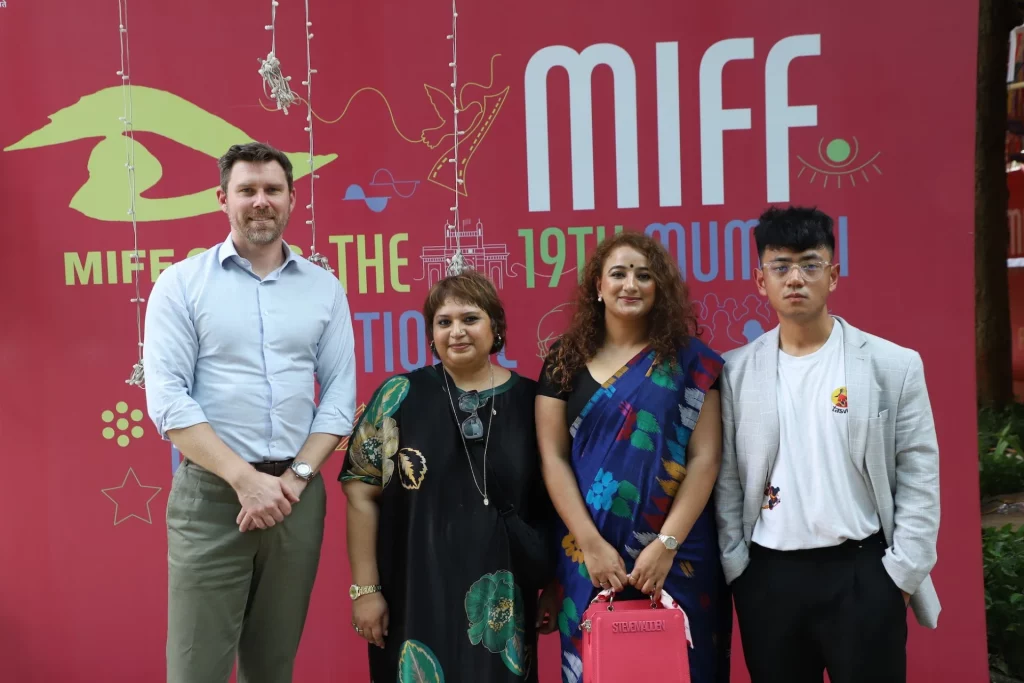
Nandita Chakraborty with other delegates at the Mumbai International Film Festival (MIFF)
Stories that return home
Across her work, Chakraborty continues to return to a central idea: that belonging is not a destination but an ongoing negotiation. Migration, for her, is not a single shift across borders but a lifelong process of carrying memory, identity, and experience into new contexts.
I see myself as someone fortunate enough to belong to both Indian and Australian cultures. Through my books, documentaries, and community work, I try to show that embracing multiple identities enriches rather than divides us.
Nandita Chakraborty
Looking ahead, she hopes to continue telling stories that foster empathy and amplify voices that often remain unheard.
“I am drawn to stories that give voice to people whose experiences are often overlooked,” she says. “If a film can encourage even one person to see another’s story with greater compassion, then it has achieved something meaningful,” says the filmmaker who is currently pursuing Master of Screenwriting at the Victorian College of the Arts.
ALSO READ: Arun Ashok: Navigating finance, film, and an award-winning diasporic voice in Australia
Share with


Written By: Deepa Natarajan Lobo
Assam to America and Back: Filmmaker Shankar Borua tells stories that matter, with his latest being ‘Blue Ocean’
Written By: Vikram Sharma
Chicago South Asian Film Festival applauds Ajay Reddy’s Chingam, set in the hills of Himachal
Written By: Mallik Thatipalli