
May 26 2026
Dr KJ Reddy: From barefoot village boy to UK-trained orthopaedic pioneer in India

(May 26, 2026) Dr KJ Reddy is one of India’s leading orthopaedic and robotic joint replacement surgeons, currently associated with Apollo Hospitals, Hyderabad. From growing up in extreme poverty in rural Telangana to training at some of Europe’s most prestigious medical institutions, he has spent decades pioneering advanced joint replacement, trauma care, and robotic surgery while treating thousands of patients from India and abroad.
Back in 1996, when a powerful bomb blast ripped through the Canary Wharf docklands in east London — leaving two dead and over a 100 injured, many permanently — among the team of medical professionals treating the victims at the Royal London Hospital was Dr KJ Reddy.
At the time, he was working in the Trauma centre of the hospital, where a majority of severely wounded victims were brought with deep head injuries, penetrating fragment wounds and severe lacerations from flying glass, besides blunt force injuries. Several of them even required amputations.
Despite umpteen challenges and chaos all around him, a calm and composed Dr Reddy — who was directly involved in treating several victims — went about his work meticulously and saved many lives. “That experience was one of the most challenging moments of my medical career,” recalls Dr KJ Reddy, Chief Robotic Joint Replacement Surgeon & Arthroscopic Surgery in Apollo Hospitals, Hyderabad, in conversation with The Global Indian.
Growing up in severe poverty, having just one meal a day comprising rice and chilli powder, Dr Reddy’s journey from India to some of the world’s most prestigious institutions in the UK stands testimony to the resilience, determination and dedication of a boy who overcame every challenge to reach where he is today.
With his expertise and approach towards his work, Dr Reddy has given a fresh lease of life to thousands of people in India and abroad, including that of an American citizen who had no hopes of survival.
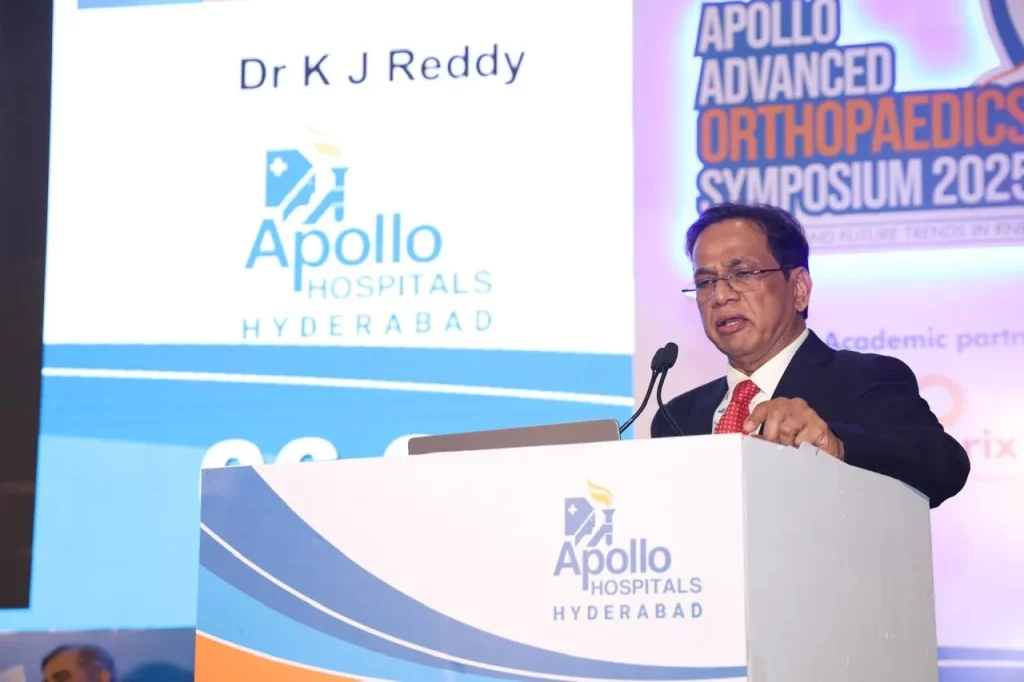
Working in the UK
After doing his senior residency in PGI, Chandigarh, Dr Reddy travelled to the UK for further orthopaedic training, especially joint replacement.
He did his basic surgical training for six months in Cambridge after which he took the FRCS exam in general surgery from three royal colleges — London, Glasgow and Edinburg followed by a six year structured program in orthopaedics.
“At Royal London Hospital, one of the leading trauma centers in the UK, I was involved in managing severe emergency and trauma cases, including patients brought in through the London Air Ambulance service,” says Dr Reddy, who also worked at St Bartholomew’s Hospital, one of the oldest and most prestigious teaching hospitals in the United Kingdom, associated with a center recognized for pioneering contributions to arthroplasty and advanced joint replacement procedures.
Experience in children’s healthcare
Later, he worked at Great Ormond Street Hospital, one of the world’s most renowned paediatric hospitals and gained extensive experience working alongside leading specialists in children’s healthcare.
“I managed complex and challenging paediatric cases with high standards of clinical care. The hospital is well known for its long-standing association with members of the British royal family,” informs Dr Reddy, who completed his Fellowship in advanced joint replacement surgery from Norfolk Hospital, Norwich. He also worked as a Consultant in Basildon & Thurrock, NHS Hospitals, UK.
In Europe
“During my training in the UK, I worked under Professor Michael Freeman, who was a pioneer in joint replacement surgeries. He inspired me to pursue a career in Joint replacement surgery,”
Says Dr Reddy, who won several awards including The Michael Bastow Audit Prize 1993 for : “Audit of Perioperative Antibioitc Prophylaxis”
Dr Reddy travelled across Europe for advanced orthopaedic training and received specialised orthopaedic exposure at Heidelberg University in Heidelberg. His study and work took him to Italy and Holland as well.
A hospital in home district
Dr Reddy returned to his native place in 1998 with a vision to improve healthcare access in Mahabubnagar, one of the poorest districts in Telangana. He developed the SVS hospital and Medical College.
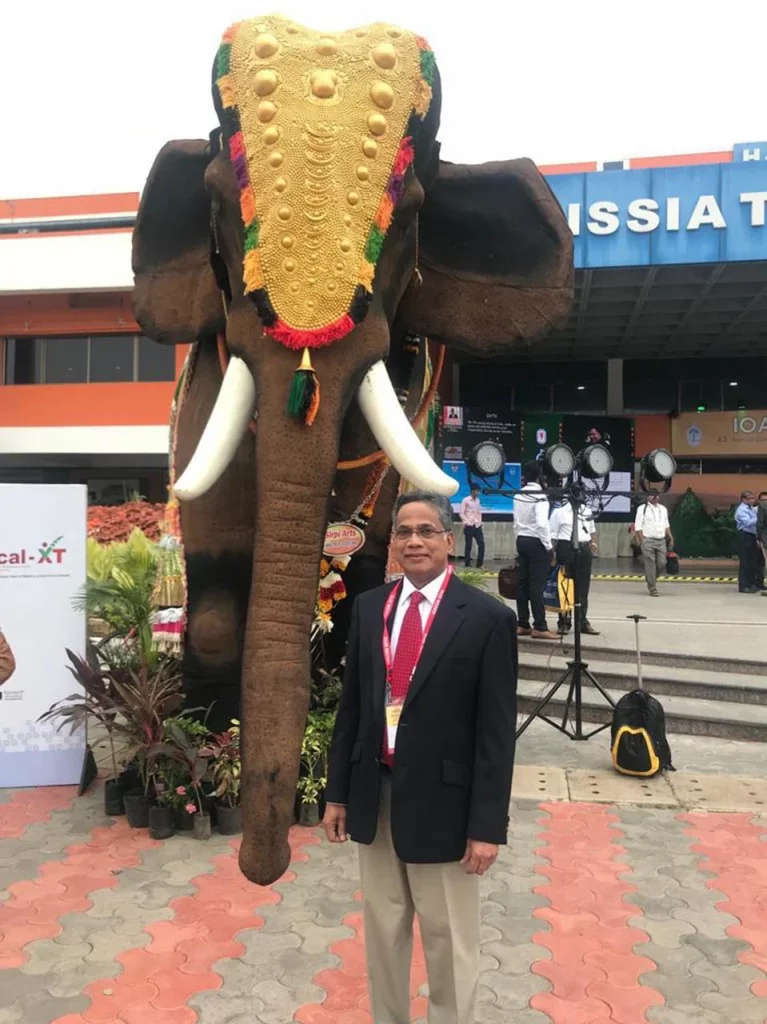
He established a 300-bed hospital near the national highway with his brothers. Before the hospital was established, most victims of road traffic accident and emergency cases had to travel long distances to Hyderabad for treatment, often losing valuable time.
“We began providing 24-hour emergency and trauma services to ensure timely, lifesaving treatment for patients at all times,” says Dr Reddy of the hospital which played a key role in developing modern healthcare infrastructure and specialist services in the region.
Multispeciality institution
He founded the medical college in 1999 to promote medical education and train future generations of doctors and healthcare professionals. “Over the years, the hospital has grown into a modern multispecialty institution equipped with advanced facilities including Cath Labs, MRI services, intensive care units, and robotic surgery technology.” At SVS Hospital, low cost and free surgeries are also offered to poor patients.
Apollo Hospital
Dr Reddy joined Apollo Hospitals in Hyderabad in 2003 as a consultant. “In the 1990s, I met the chairman of Apollo hospitals Dr PC Reddy in London. He invited me to join Apollo hospital if I ever returned to Hyderabad,” says Dr Reddy, who was honoured with Distinguished Clinician Award, Apollo Clinical Award 2023 besides Best Orthopaedic Surgeon award a few times.
During the initial days, the Apollo hospital Chairman Dr PC Reddy supported and encouraged Dr Reddy to bring in new procedures and techniques in arthroplasty and arthoscopy. “I introduced advanced arthroscopic surgeries in Apollo and also advanced robotic surgeries,” says Dr Reddy, who works from 8 am to 8 pm.
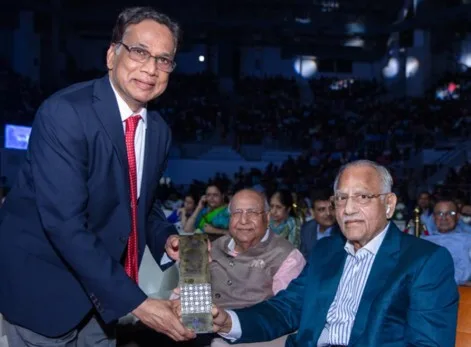
Dr KJ Reddy with Apollo Hospitals Founder and Chairman, Dr Prathap C. Reddy
From a farmer’s family
Born in a small hamlet of Aithole in Mahbubnagar district, Dr Reddy was the youngest of five brothers and one sister. Their parents were both farmers.
“Coming from a poor family, my parents used to get loans to support our education, they even sold whatever little land we had so that all of us could get educated,” recalls Dr Reddy.
The family used to have one meal a day, for years. “Sometimes, my mother would get butter milk and rice from the wealthier families in the neighbourhood, all of us used to always look forward to that meal.”
Schooling
Dr Reddy completed his primary school from Aithole and was a class topper in every subject. “Other students used to come for me seeking help, so I would tutor everyone under a tree near my house,” smiles Dr Reddy, who studied class 6 and 7 in Sirsawada, walking barefoot for two kms to reach school from home.
Free education
Luckily, Dr Reddy got selected by the then AP government, for AP residential school in Survail, Nalgonda district. “They selected merit students and gave them free education, food, clothes and accommodation till class 10,” says Dr Reddy who stood among the top ten ranks in the state and got selected for AP Residential Junior College, a highly competitive junior college.
It was only after going to Survail that he was able to eat three meals a day. “My brother was initially worried that it was much too food and told me to eat carefully,” says the EAMCET topper.
Fulfilling father’s wish
Dr Reddy’s inspiration for joining MBBS was his father who passed away when he was in intermediate first year. He had asthma, but did not have access to simple treatment. With no hospitals close by, he developed heart failure and passed away.
“I was the only one with him during his last moments. He wanted me to become a doctor. Unfortunately, he was not around to see me achieve his dream,” says Dr Reddy, who completed his MBBS from Osmania Medical College where he performed well consistently and was adjudged as the best outgoing student.
Dr V S Reddy from Osmania Medical College encouraged him to pursue orthopaedics and praised his surgical skills. He then joined PGI, Chandigarh for his MS Orthopaedics.
Saving a US citizen with major complications
Years ago, a young American woman on a visit to India accidentally fell under a train and sustained multiple injuries. “Almost every bone in the body was broken, chances of survival were bleak. She was put on ventilator and spent almost 30 days in the ICU.”
A team of doctors led by Dr Reddy who were closely monitoring her, performed multiple surgeries including both hip replacements, internal fixation of both legs, pelvis and arms. To everyone’s delight, the US citizen started walking after four months.
“She recently sent me a video of herself gardening,” smiles a visibly elated Dr Reddy, whose patients come from across India, Middle east, Africa, Australia, the US, and the UK.
Other challenging cases
Recalling another challenging case, Dr Reddy says a 40 year old with arthritis of both hips and knees with severe deformities approached him. After examining his condition, Dr Reddy performed four joint replacement surgeries within 24 hours.
“He was wheelchair bound for two years prior to the surgery. I made him walk in two days,” informs the specialist, who also successfully did a hip replacement on a 103 year old man with hip fracture and multiple comorbidities. He also treats sports injuries and has treated several national sportspersons.
Passion for teaching
Teaching has been Dr Reddy’s passion since his early days. He trains DNB students from various parts of India and abroad. At SVS Medical College, he has been teaching postgraduates and undergraduates, for last 23 years
Free camps
In addition to clinical work, free orthopedic medical camps are regularly conducted under Dr Reddy’s supervision to provide consultation, diagnosis, and treatment for patients from underserved and rural communities. “These camps aim to improve access to orthopedic care and create awareness about bone, joint, and trauma-related conditions.”
India Vs West
When it comes to robotic surgery, Dr Reddy says India is as good as the West, even better in some aspects. “In terms of accessibility and affordability, we perform surgeries at one-fourth of their cost.”
He however emphasises the need for greater training opportunities in robotic surgery for surgeons, especially younger doctors beginning their careers. “More access should be provided to specialized training centers, advanced technology, and hands-on experience in robotic surgical techniques.”
He feels encouraging structured training and mentorship in robotics will help improve the future of surgical care. “Robotic surgery also needs to become more affordable and accessible for patients.”
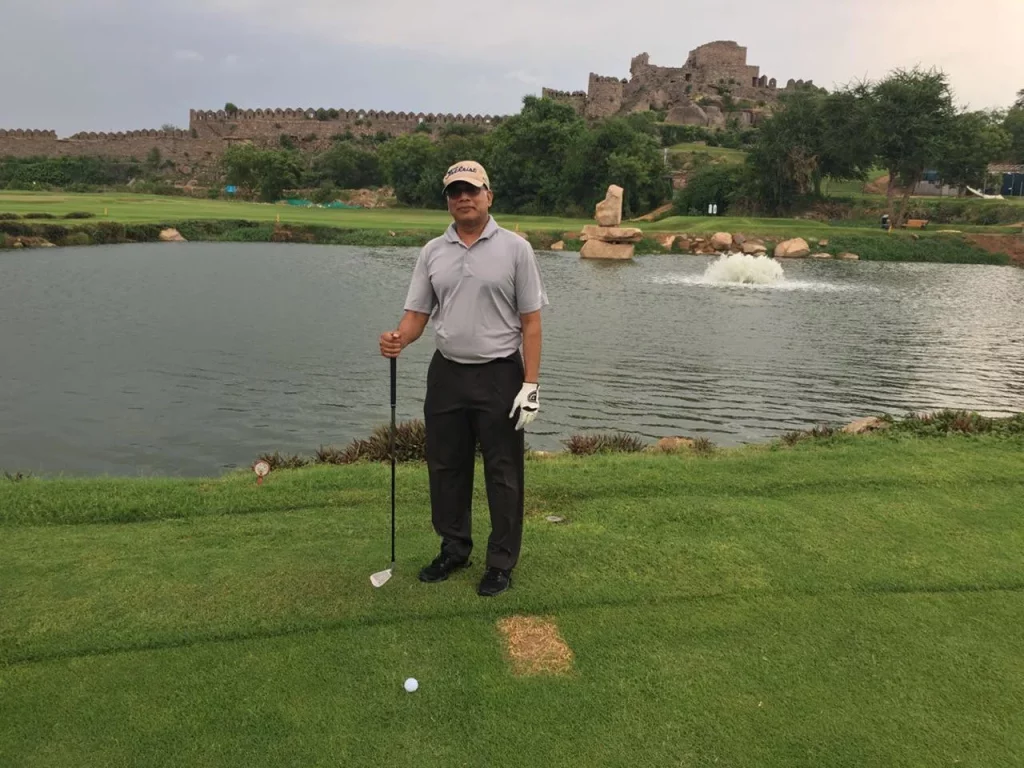
Fitness and golf
Outside of medicine, Dr Reddy enjoys staying physically active through regular exercise and fitness. “I am also passionate about golf, which I enjoy both as a sport and as a way to relax and maintain balance outside my professional life,” says Dr Reddy, who has published numerous articles in Indian and international journals and performed live surgeries during conferences for teaching purposes.
No retirement
Dr Reddy does not plan to retire, as he remains passionate about patient care, teaching, and surgical innovation. “My future goal is to train and mentor the next generation of doctors in robotic surgery and other advanced medical procedures,” says the specialist, who hopes to help produce highly skilled surgeons who can deliver world-class healthcare and continue advancing modern medicine in India.
- Follow Dr KJ Reddy on LinkedIn
ALSO READ: Dr. Ravi Teja Rudraraju: Leading the way in robotic knee surgery and elite sports care
Share with



Written By: Vikram Sharma
On the right foot: UK-based Dr Venu’s surgical solutions give diabetics new lease on life

Written By: Vikram Sharma