


(March 15, 2026) At Sterling Puri, a visit to Amo Odisha, recognised as one of India’s Top 50 Restaurants, is a must. Wondering why? This cosy restaurant offers the chance to experience authentic Odia cuisine that has been meticulously researched and crafted by Executive Chef Abhijit Nag.
With distinctive dishes like Keonjhar Paneer Tikka (cottage cheese cubes marinated in spices and saffron-flavoured cream), Aloo Chop (mashed boiled potatoes mixed with spices, dipped in gram flour and deep-fried), Kukuda ra Pakora (Bengal gram flour batter-fried chicken), and Bali Yatra Special Chingudi (deep-fried maize flake crumb-marinated prawns), the meal becomes a masterclass in Odia cuisine.
The experience unfolds course by course with delicacies that are not only flavourful but deeply rooted in the region’s culinary traditions. With taste reigning supreme, I try a host of dishes in my thaali — dahi pana, ghee arna, bhaja, dalma, chatu besara cheena tarkari, khatta mitha, podo, phulka, along with traditional pickles and salads — and it is safe to say that a food coma is guaranteed.
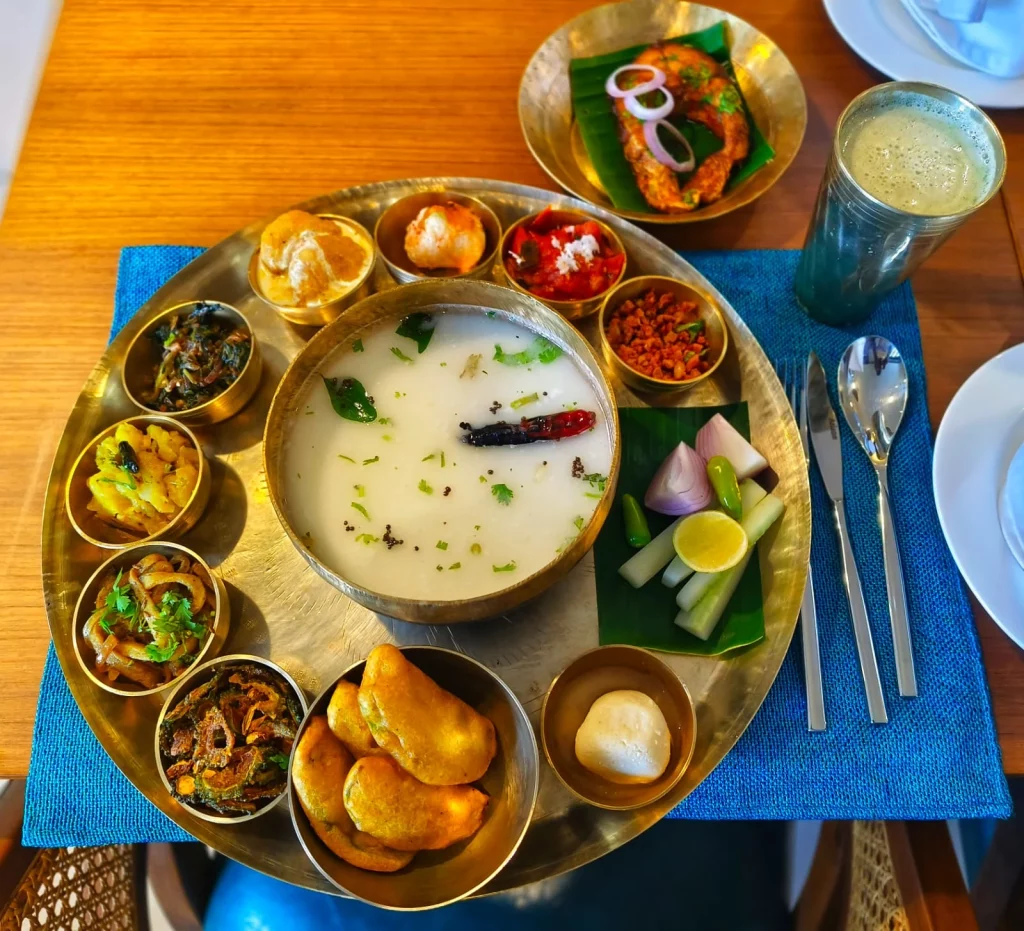
Odia Thali | Amo Odisha
Early influences and beginnings
An accomplished hospitality professional, Nag has over 15 years of experience that includes working in industrial catering, cruise liners, and hotels and resorts in the USA, the UK, and Africa.
Born in Pakhanjore, Chhattisgarh, he developed an early appreciation for food as an essential part of culture and community. To turn that passion into a profession, he completed a three-year diploma in hotel management, catering technology and applied nutrition.
“My professional journey began at Rajputana Palace Sheraton, Jaipur, where I learned the discipline, structure and standards of luxury hospitality. From there, my career expanded internationally, working with major cruise lines in the United States, in the United Kingdom, and later in Africa. These international experiences taught me adaptability, strict compliance with food safety standards such as USPH and HACCP, multicultural team management, and operational efficiency. Working across different countries shaped me into a chef who understands both global standards and local tastes,” he reminisces.
Discovering his culinary calling
While his journey into the culinary world was intentional and structured, he chose hotel management because he was drawn to the creative yet disciplined nature of professional kitchens.
“The turning point came during my early years with Royal Caribbean Cruises, Princess Cruises, and Celebrity Cruises in the USA. Serving thousands of international guests daily under strict USPH standards made me realise that cooking was not just a job; it was my profession and responsibility. The scale, precision, and diversity of cuisines solidified my commitment to becoming a chef.”
From that moment onward, he focused on growth, progressing from commis to demi chef de partie, chef de partie, sous chef, executive chef, and eventually cluster head chef. Each phase strengthened his leadership, operational control, cost management, and culinary innovation.
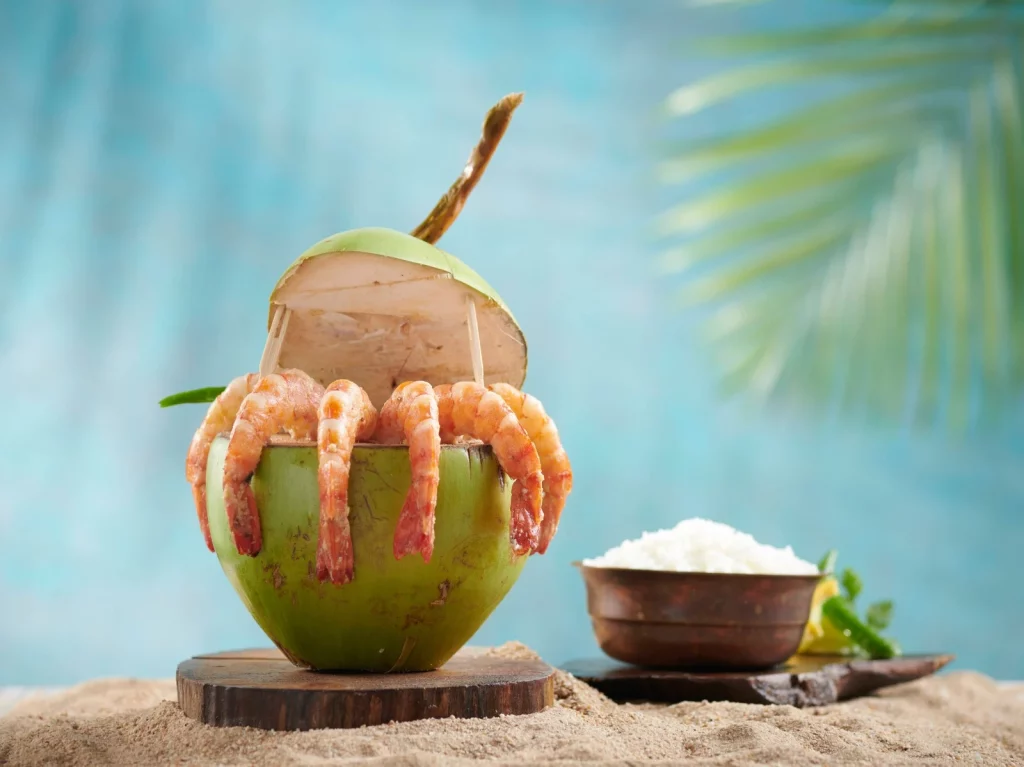
Image Credit: Amo Odisha
Learning from diverse culinary environments
His stint in industrial catering with RKHS (now Sodexo), India, helped him understand the technical aspects of the food business. This experience involved ISO 9001:2000 compliance, large-scale event and corporate catering, vendor selection and cost optimisation, and adherence to health and hygiene legislation. The exposure sharpened his budgeting and operational efficiency skills.
Working in the USA cruise industry with Royal Caribbean, Princess Cruises, and Celebrity Cruises exposed him to strict USPH food safety standards, high-volume production with precision, international guest expectations, and multicultural galley teamwork. The experience built discipline, speed, and quality control under pressure.
In the United Kingdom, where he worked as a sous chef at Las Iguanas in Leeds, he focused on mise en place discipline, HACCP compliance, COSHH storage guidelines, à la carte quality control, and structured kitchen systems. This further strengthened his understanding of European compliance and service standards.
At Munyonyo Commonwealth Resort in Uganda, he handled government officials, UN conference gala dinners, large-scale wedding ceremonies, multicultural team management, and hygiene and sanitation training. The experience in Africa taught him flexibility, leadership in diverse environments, and how to adapt menus to regional expectations.
A philosophy rooted in consistency
Nag’s food philosophy is rooted in quality without compromise, strict hygiene and food safety compliance, balanced flavours with authentic preparation, cost-effective operations without lowering standards, and teamwork supported by continuous training.
“For me, consistency is the foundation of culinary excellence. A guest should experience the same quality every single time,” he says.
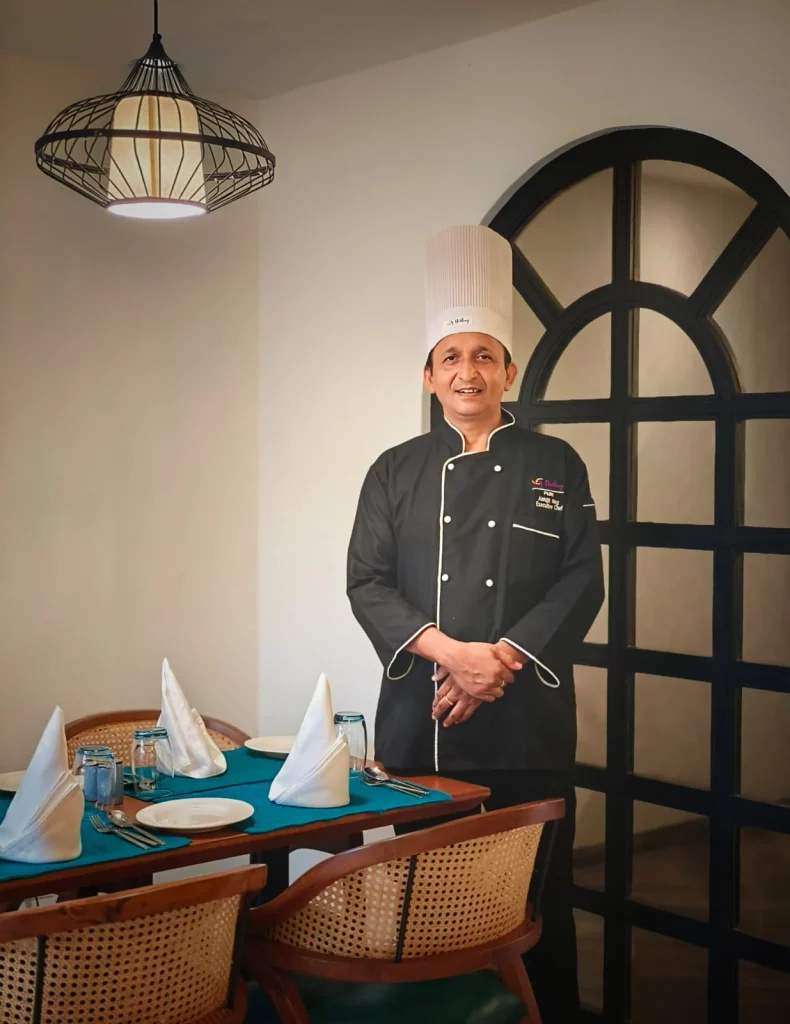
Leading culinary operations at Sterling
In his current role at Sterling Holidays Resorts Ltd., Puri, he serves as Executive Chef (Cluster) and Cluster Manager (Culinary), overseeing kitchen operations across multiple outlets.
His work involves managing and standardising kitchen operations across locations, developing and standardising menus and recipes, maintaining portion control systems, and monitoring food costs, wastage, and kitchen budgets. He also trains executive chefs, sous chefs, and kitchen teams, conducts kitchen audits and compliance checks, ensures strict adherence to hygiene and food safety standards, and coordinates procurement and vendor management for cost optimisation.
At Amo Odisha, the focus is on celebrating regional cuisine while maintaining modern hospitality standards. “The aim is to showcase Odisha’s culinary identity while delivering the quality and operational excellence expected from a national hospitality brand. We also received the FoodFood award from Chef Sanjeev Kapoor,” he adds.
Solving problems with a global lens
Throughout his career, Nag has faced several challenges. Working in cruise lines, Africa, and the UK meant leading teams from different nationalities and cultural backgrounds. Clear communication, structured training, and well-defined SOPs helped create unity and discipline.
“USPH standards in cruise lines and HACCP requirements in hotels require zero tolerance for errors. I developed strong systems for hygiene audits, temperature control, stock rotation, and documentation. Balancing quality with food-cost targets has always been a major challenge. Standardised recipes, portion control, vendor negotiation, and wastage reduction programmes helped manage that.”
Each challenge strengthened his leadership and operational discipline. Consistency and training, he believes, remain the backbone of any successful kitchen. Investing in people, he adds, is just as important as investing in ingredients.
Representing India globally
“I have worked in India, the USA, the UK, Africa, and Denmark, and everywhere I went, I represented Indian hospitality, discipline, and culinary heritage. At the same time, I learned international food safety systems, multicultural leadership, and operational precision.”
Blending tradition with global exposure, respecting diversity among teams and guests, and maintaining Indian warmth alongside international professionalism remain central to his identity.
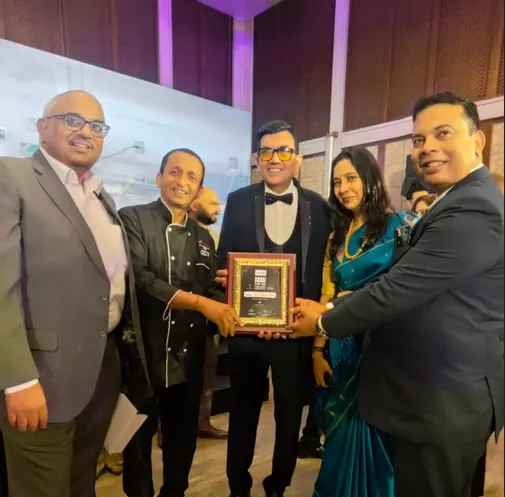
Chef Abhijit Nag and Sterling Puri Team with Masterchef Sanjeev Kappor
Staying motivated
Nag draws motivation from both his personal and professional pillars of strength.
“First and foremost, my wife and daughter are my greatest inspiration. Their constant encouragement, understanding, and belief in my journey give me the strength to keep striving for excellence. Hospitality is a demanding profession with long hours and high pressure, and family support makes all the difference.”
Professionally, he is inspired by his leader, Mr Shitanshu Bhargava. Bhargava’s vision, commitment to excellence, and focus on brand standards motivate him to continuously improve operations and deliver the highest culinary standards at Sterling.
Looking ahead
Looking ahead, Nag hopes to expand his leadership role in international hospitality, contribute to global culinary operations, and promote Indian cuisine internationally through structured and standardised systems.
He also hopes to continue mentoring and training the next generation of chefs while strengthening operational excellence in multi-unit hospitality environments. “My goal is to combine my international exposure with strong operational management to lead large-scale culinary operations globally,” he concludes.
ALSO READ: Chef Vishesh Jawarani: Blending Japan’s izakaya spirit with Goa’s unhurried susegad vibe at JSan