
October 02 2026
Beyond the Mahatma: Six Gandhi descendants, six different paths
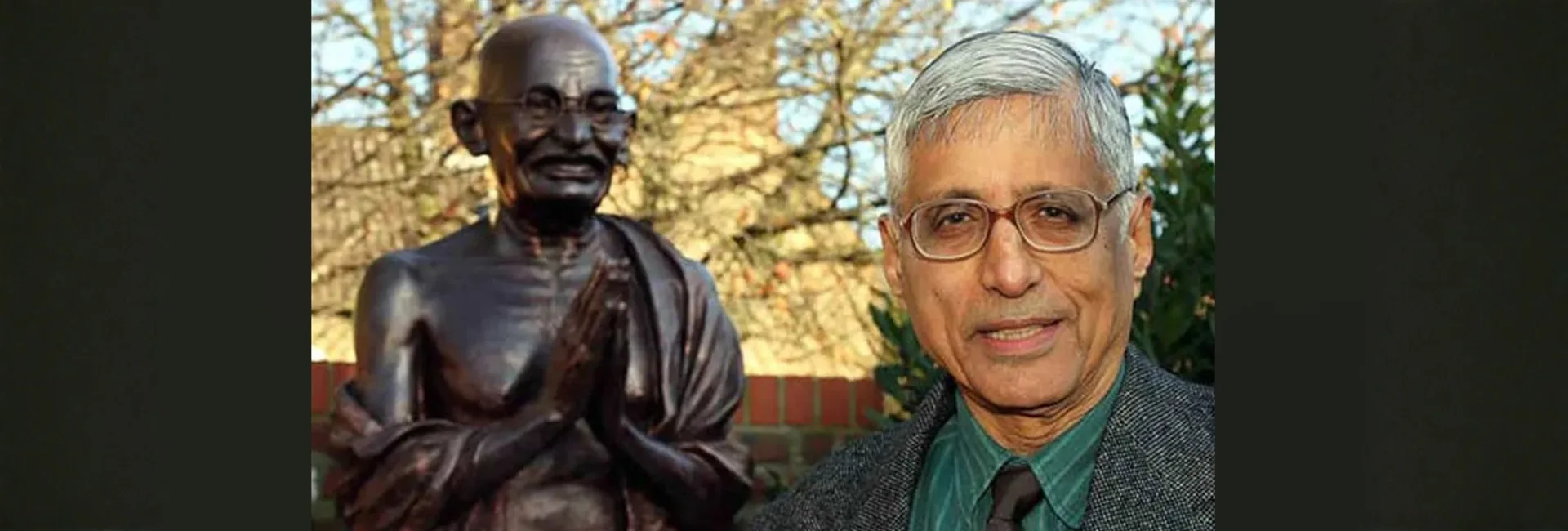
(Oct 2, 2026) Mahatma Gandhi’s legacy extends beyond the movements and institutions associated with his name. It also lives on in the lives of his descendants, across generations, countries and professions. The Global Indian spotlights six living, publicly active descendants whose careers and contributions have taken them into the public sphere, with most having built lives and careers beyond India. Their paths span diplomacy, academia, medicine, writing and social activism, while carrying forward aspects of Gandhi’s legacy in their own ways.
Ela Gandhi — Mahatma Gandhi’s granddaughter
Social worker and peace activist | Durban, South Africa
Ela Gandhi is Mahatma Gandhi’s granddaughter. Born on July 1, 1940, at the Phoenix Settlement near Durban, South Africa, she grew up in the community her grandfather had established in 1904 around his ideas of simple living, self-reliance, communal work and social equality. Gandhi had also set up a printing press at Phoenix and published Indian Opinion, the newspaper he founded in 1903.
By the time Ela was born, her father, Manilal Gandhi, was managing the settlement and editing Indian Opinion. Manilal and his wife, Sushila, raised their children at Phoenix, making the settlement Ela’s childhood home. She lived there during her early years and did not meet her grandfather in person until she was seven, when she spent several months with him and her family at his Sevagram ashram in India.
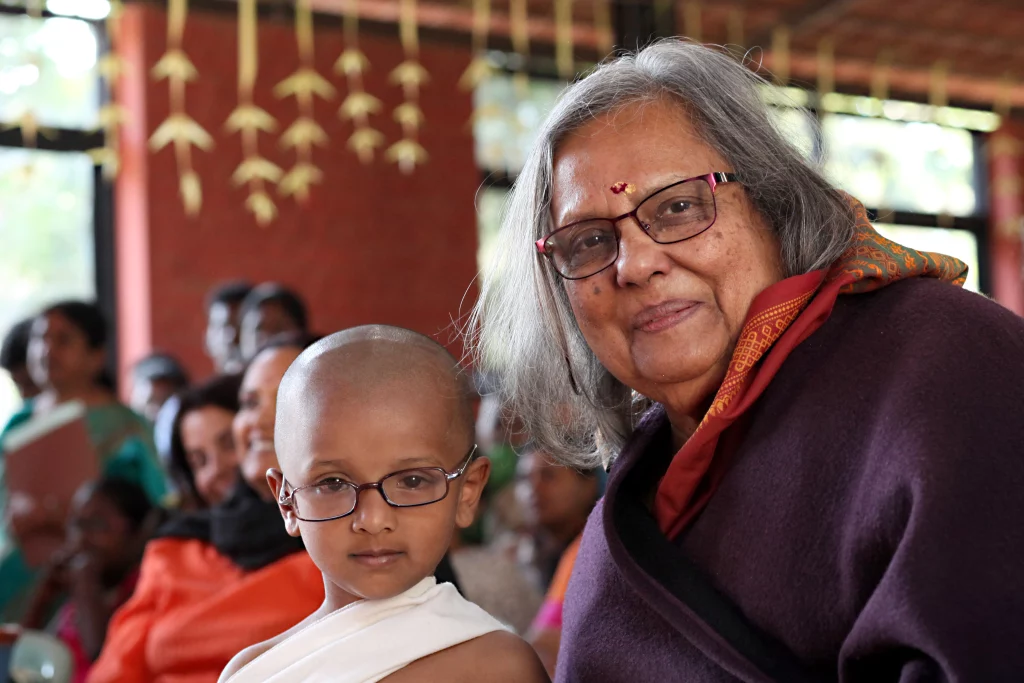
She studied at the University of Natal, now part of the University of KwaZulu-Natal, initially pursuing a BA with law subjects before completing a BA in Social Science and an Honours degree in Social Science through the University of South Africa. After completing her studies, Ela Gandhi worked as a social worker, spending about 15 years with the Verulam Child and Family Welfare Society and another five years with the Durban Indian Child and Family Welfare Society. She became involved in anti-apartheid activism and was subjected to banning orders and house arrest during the apartheid era. She later served on South Africa’s Transitional Executive Council and was elected to Parliament in 1994, remaining there until 2004.
After leaving Parliament, she continued working on community and peace initiatives. She is the chairperson of the Gandhi Development Trust and the Phoenix Settlement Trust, and is also involved with the Mahatma Gandhi Salt March Committee. In 2007, the Government of India awarded her the Padma Bhushan for public affairs.
Rajmohan Gandhi — Mahatma Gandhi’s grandson
Historian, biographer and academic | New Delhi, India / United States
Rajmohan Gandhi was born on August 7, 1935, in New Delhi. He is the son of Devdas Gandhi, Mahatma Gandhi’s youngest son, making him the Mahatma’s grandson. His maternal grandfather was Chakravarti Rajagopalachari, popularly known as Rajaji, who was independent India’s first Indian-born Governor-General.
He studied at St Stephen’s College, University of Delhi, before beginning his career as a journalist and later establishing himself a historian and biographer. His books include Gandhi: The Man, His People and the Empire, Patel: A Life, Rajaji: A Life and Punjab: A History from Aurangzeb to Mountbatten. He received the Sahitya Akademi Award in 2002 for Rajaji: A Life.
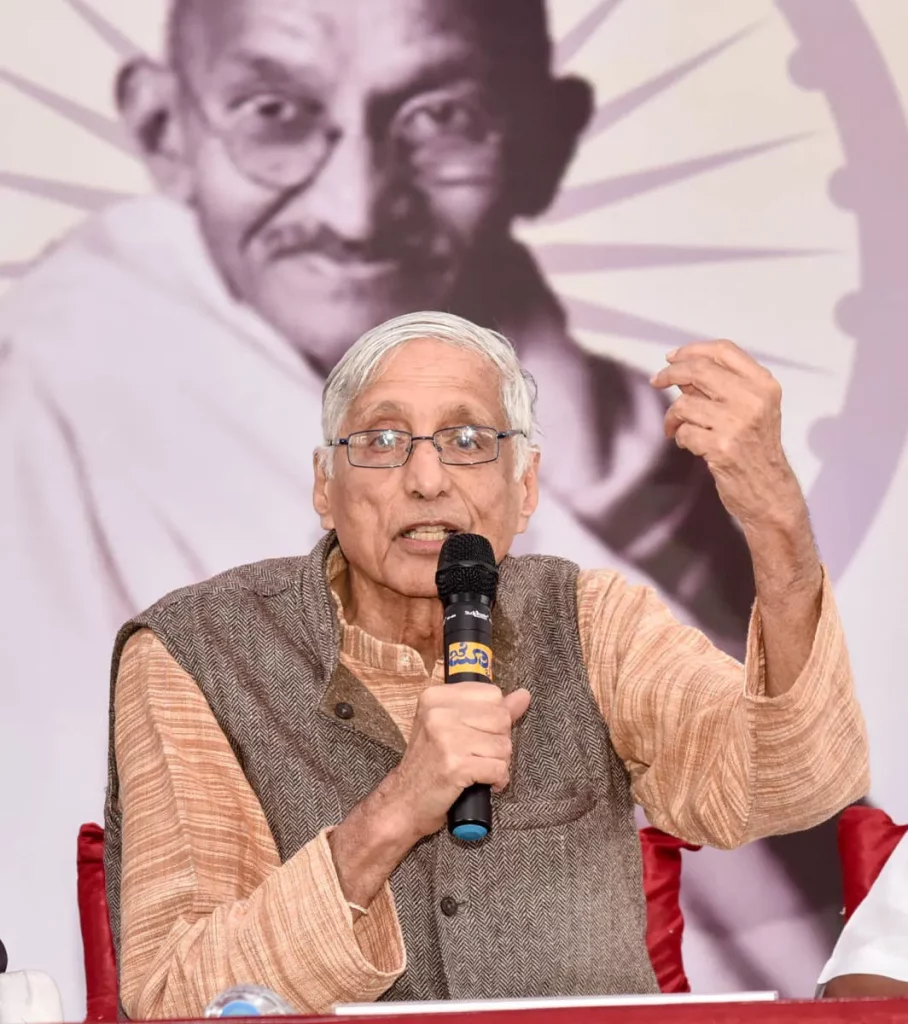
He has also spent considerable time teaching and researching in the United States. He taught history and politics at the University of Illinois at Urbana-Champaign almost continuously from 1997 to 2022 and is listed by the university as a Research Professor in Education Policy, Organization and Leadership. Before his Illinois appointment, he was a research professor at the Centre for Policy Research in New Delhi.
His public life has also included politics. He served as a member of India’s Rajya Sabha from 1990 to 1992 and, in 2014, contested the East Delhi Lok Sabha seat as an Aam Aadmi Party candidate. He did not win the election.
Gopalkrishna Gandhi — Mahatma Gandhi’s grandson
Diplomat, administrator and writer | India / South Africa / Sri Lanka
Born on April 22, 1945, Gopalkrishna Gandhi is the grandson of Mahatma Gandhi and C. Rajagopalachari. He studied English Literature and History at St Stephen’s College, Delhi, before joining the Indian Administrative Service in 1968. His nearly 25-year career in public service took him from administrative positions in Tamil Nadu to the national capital, including roles as Secretary to the Vice-President of India and Joint Secretary to President R. Venkataraman.
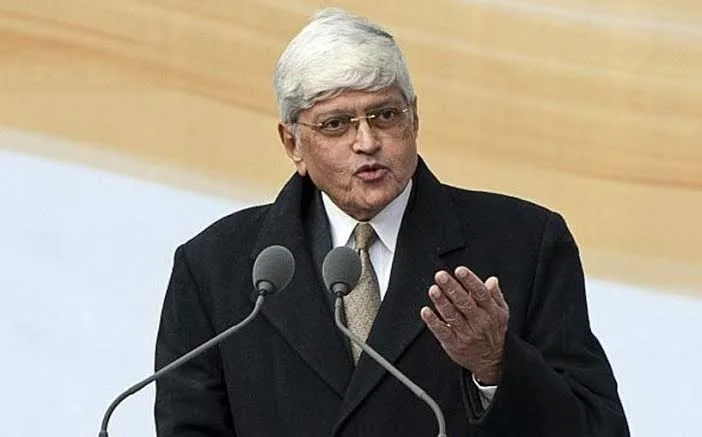
After taking voluntary retirement from the IAS in 1992, he moved into diplomacy and international cultural work. He became the founding Director of the Nehru Centre at the High Commission of India in London, serving from 1992 to 1996. He subsequently served as India’s High Commissioner to South Africa and Lesotho, Secretary to President K.R. Narayanan, High Commissioner to Sri Lanka, and Ambassador to Norway and Iceland. From 2004 to 2009, he was Governor of West Bengal.
His public career has been accompanied by a substantial body of writing. He has authored fiction, plays, essays, translations and books on Gandhi, India and South Asia, including Saranam, Dara Shukoh, Of a Certain Age and A Frank Friendship. In 2025, he published The Undying Light, a personal history of India after Independence. He is currently Distinguished Professor of History and Politics at Ashoka University and continues to write on history, politics and public life.
Leela Gandhi — Mahatma Gandhi’s great-granddaughter
Literary and cultural theorist, professor | Mumbai, India / United States
Leela Gandhi was born in 1966 in Mumbai. She is the daughter of philosopher Ramchandra Gandhi and the great-granddaughter of Mahatma Gandhi. Her family also connects her to C. Rajagopalachari: her paternal grandmother, Lakshmi, was Rajagopalachari’s daughter, making him her great-grandfather as well.
Gandhi became a literary and cultural theorist, with academic work focused on transnational literature, postcolonial theory, ethics and the intellectual history of the 19th and 20th centuries. She received her bachelor’s degree from the University of Delhi and her M.Phil. and D.Phil. from Oxford University. Before joining Brown University, she taught at the University of Chicago, the University of Delhi and La Trobe University in Australia.
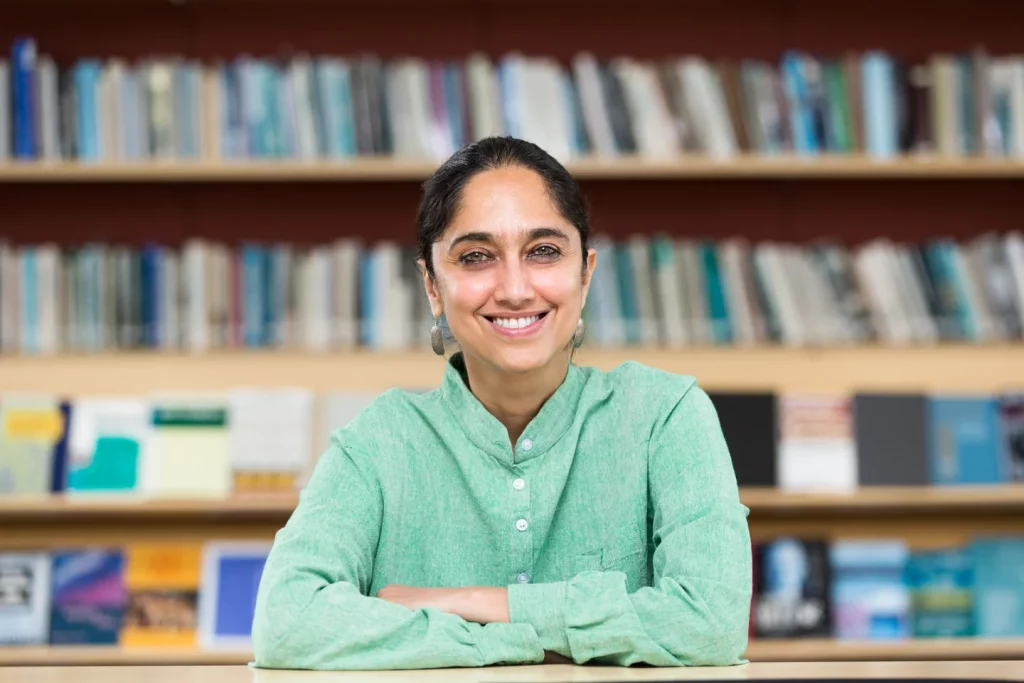
She is the author of books including Postcolonial Theory: A Critical Introduction, Affective Communities: Anticolonial Thought, Fin-de-Siècle Radicalism, and the Politics of Friendship and The Common Cause: Postcolonial Ethics and the Practice of Democracy, 1900-1955. She has also published the poetry collection Measures of Home. At Brown University, she is the John Hawkes Professor of the Humanities and English and directs the Pembroke Center for Teaching and Research on Women.
Her academic work has also examined the influence of transnational ideas on Mahatma Gandhi’s thinking, including his approaches to nonviolence and vegetarianism.
Dr Shanti Gandhi — Mahatma Gandhi’s great-grandson
Heart surgeon and politician | Topeka, Kansas, United States
Shanti Gandhi was born in India in 1940. He is the son of Kantilal Gandhi and Saraswati Gandhi, the grandson of Harilal Gandhi, Mahatma Gandhi’s eldest son, and the Mahatma’s great-grandson. He was born in India, studied medicine at the University of Bombay and moved to the United States in 1967 after receiving an internship at a hospital in Youngstown, Ohio.
He subsequently trained as a cardiovascular and thoracic surgeon and settled in Topeka, Kansas. He retired from Stormont-Vail Hospital in Topeka in 2010 after a long career in heart surgery.
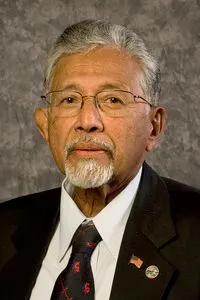
In 2012, Dr Shanti Gandhi ran as a Republican candidate for the Kansas House of Representatives and won the election to represent the 52nd District. He served from January 2013 to January 2015. During his 2012 campaign, he asked the media not to highlight his connection to Mahatma Gandhi. He later said he wanted to be known for his own career rather than for his family name. His connection to Mahatma Gandhi became widely reported after his election.
Tushar Gandhi — Mahatma Gandhi’s great-grandson
Author and social activist | Mumbai, India
Born on January 17, 1960, Tushar Arun Gandhi is the son of journalist Arun Manilal Gandhi, grandson of Manilal Gandhi and great-grandson of Mahatma Gandhi. Born on a train between Mumbai and Kolkata, he was raised in Mumbai and later studied printing at the Government Institute of Printing Technology.
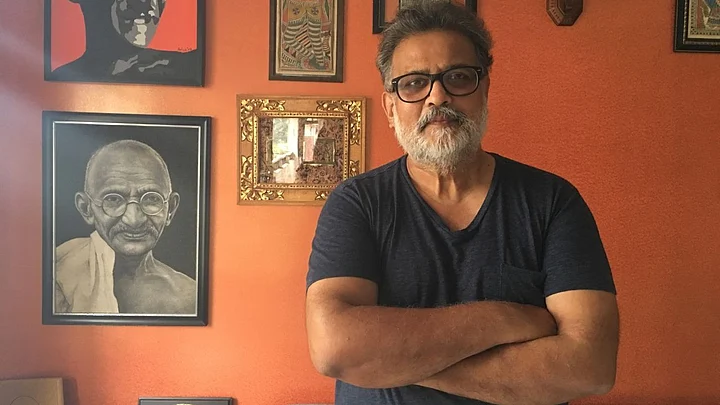
His public work has centred on social initiatives and the preservation and interpretation of his great-grandfather’s legacy. In 1998, he established the Mahatma Gandhi Foundation, originally in Vadodara and now based in Mumbai, where he continues to serve as president. He has also been president of the Lok Seva Trust since 1996 and became a director of the Gandhi Research Foundation in Jalgaon in 2019.
Tushar has also written extensively on the Gandhi family and its history. His books include Let’s Kill Gandhi, published in 2007, and The Lost Diary of Kastur, My Ba, published in 2022, which accompanied the English translation of a diary written by his great-grandmother, Kasturba Gandhi. In 2005, he led a re-enactment of the Dandi March to mark its 75th anniversary. He continues to participate in public discussions and literary events in India and abroad, bringing the Gandhi family’s history into contemporary conversations.
Share with



Written By: Amrita Priya
October 2, Beside Gandhi: Lal Bahadur Shastri and the birth of India’s self-reliance

Written By: Amrita Priya