
October 24 2026
Vikram Maira: Creating a Himalayan retreat in harmony with nature
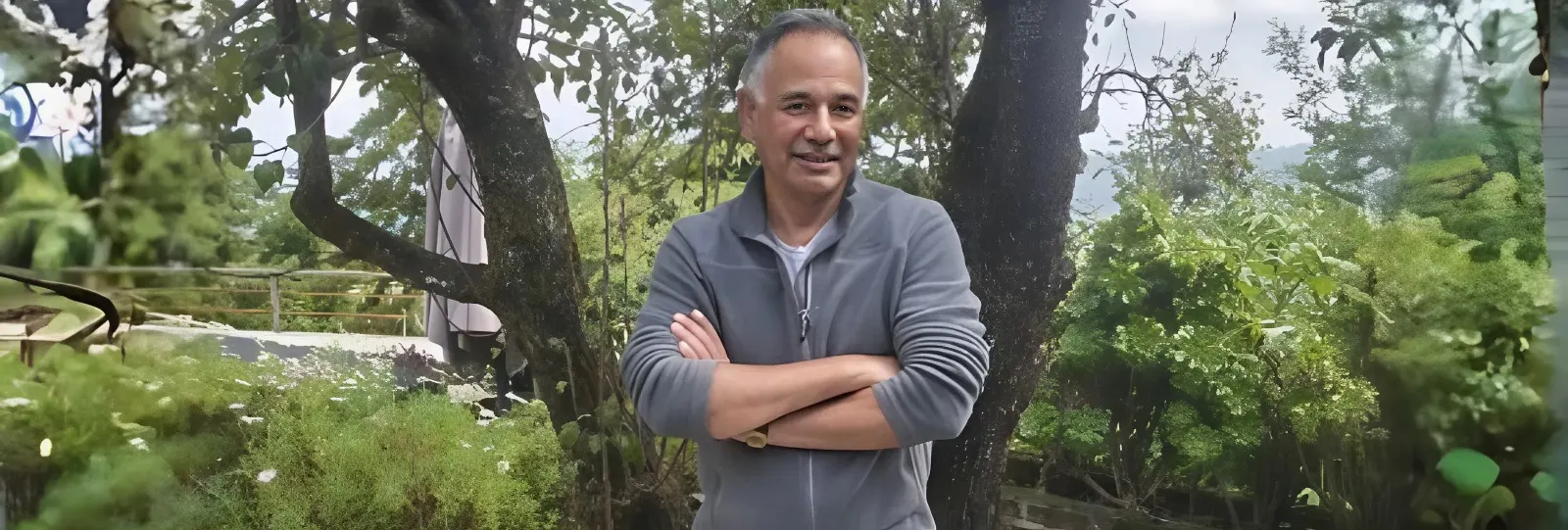
(Oct 24, 2026) An avid trekker and explorer, Vikram Maira, owner and long-time custodian of Sitla Estate, moved to Kumaon in 1998 to build a life closer to nature. Over three decades, he has helped conserve its 40-plus acres of forests and orchards, among the region’s largest privately preserved tracts, while shaping the estate into an intimate retreat rooted in the landscape, thoughtful hospitality, local produce and global culinary influences. He also leads trekking expeditions across the Himalayas.
Tucked into the Kumaon hills, Sitla Estate brings together forest trails, fruit orchards, sweeping Himalayan views and thoughtful hospitality. Spread across 40 acres, the retreat has just 12 guest units, allowing visitors to enjoy the landscape without losing the intimacy of a private home. Its carefully restored buildings, seasonal menus and attentive service reflect the vision of owner Vikram Maira, who has spent more than three decades conserving the property and shaping it into a distinctive mountain destination. Providing global experiences at a local level, it shows how Indian hospitality owners can scale up and bring the best to fellow Indians and visitors from abroad.
Yet Sitla did not begin as the polished retreat it is today. When Vikram moved there permanently in May 1998, there was no electricity, running water or proper road. What followed was a gradual process of building, adapting and learning, guided by his love for the outdoors and an instinct to keep improving without compromising the estate’s character.
“I would never like to think that we have reached that stage, or that Sitla Estate has reached that stage, where we have arrived,” he tells The Global Indian. “We’ve been growing constantly, improving on things constantly.”
From advertising to the mountains
Vikram’s relationship with the outdoors began in childhood. His family originally came from the North-West Frontier Province, in what is now the border region between Pakistan and Afghanistan. Following Partition, they moved to what was then a small town in Haryana, now Panipat. His grandfather took up farming, while his father served in the army.
Vikram grew up at Lawrence School, Sanawar, in Himachal Pradesh, where hiking and trekking were part of school life. Later, at Delhi University, he spent more time at the Alpine Club planning expeditions than attending lectures. The mountains had already become a natural pull.
After college, he entered advertising, working on television commercials before moving into television production. His work included serialised programmes for Doordarshan and Zee, among them Tanaav and Khel Khel Mein. But while his professional life unfolded in the cities, his free time was spent trekking through mountains or exploring forests.
I was very conscious of the fact that I wanted to come and settle down in a place like this. I wanted to make the move while still physically able to enjoy the outdoor life I imagined, rather than postpone it until retirement.
Vikram Maira
Making a home in the wilderness
The turning point came during a trip to Corbett National Park with friends. On their final evening, sitting around a campfire, the group began talking about the return to work the next day. Hearing himself join in, he realised he no longer wanted to return to the same routine.
“When I heard myself say it, I said, look, this is it. I’m bugging out,” he says. He decided to leave the city and move to Sitla, a family property where he had spent holidays as a child.
Those early visits had been simple adventures. The family arrived with a large hamper of food and supplemented it with whatever they could find locally. Living there permanently was a different proposition. The estate had no motorable road, and visitors had to leave their vehicles in Mukteshwar and walk for about 45 minutes. Vikram fetched water from a spring and relied on kerosene lamps after dark. The difficulties were considerable, but they marked the beginning of a life he had deliberately chosen.
View this post on Instagram
Building Sitla, one step at a time
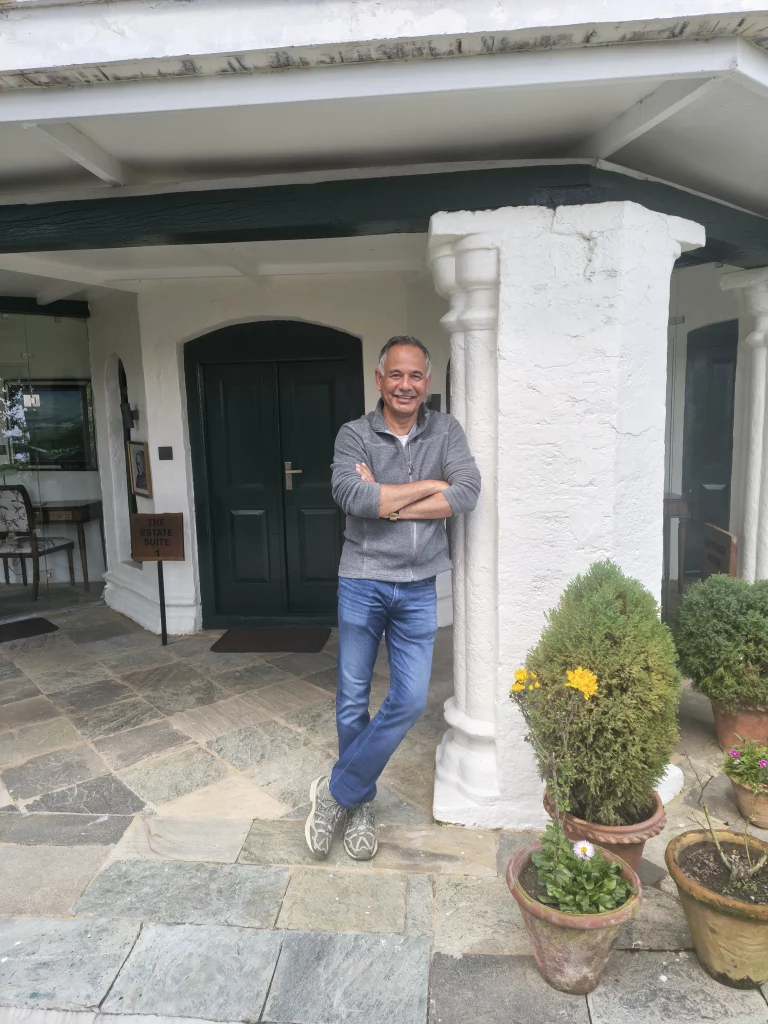
The estate has evolved gradually rather than according to a fixed master plan. An old structure, more than 150 years old, stood on the property when he bought the property in 1982. Over the years, he added rooms, reworked existing spaces and adapted the buildings to changing needs. At one point, he even reduced the number of guest rooms to make the kitchen larger.
The architecture reflects this organic growth. The older buildings use local stone, mud and clay, with walls as thick as 18 inches. Newer sections incorporate other materials, but the property retains the character of a place shaped by its surroundings. The arrival of a rough access track around 2000, followed eventually by a paved road, made construction and supplies easier. Electricity and running water transformed everyday life, while better connectivity allowed the estate to offer greater comfort without abandoning its original character.
Conservation over expansion
Conservation remains central to the way it operates. Vikram has deliberately limited the number of guest units rather than maximise the property’s commercial capacity. The idea is to give people space to experience the outdoors and preserve the quiet that makes Sitla distinctive.
Guests can choose from forest walks, village trails, birdwatching with a naturalist and day hikes of varying lengths and difficulty. Others arrive wanting little more than a book, coffee and a quiet corner. The surrounding Mukteshwar range offers a changing landscape through the year.
Vikram’s approach to hospitality is similarly personal. He encourages visitors to be honest about the kind of holiday they want, whether it involves a challenging walk or a few days of doing very little.
Listen to yourself. And share that with us. And we’ll help you live that.
Vikram Maira
A kitchen without a rulebook
Food has become one of Sitla’s defining features, though Vikram began without formal training in cooking or hospitality. In the early years, there was no refrigeration, no LPG and little access to supplies. A wood-fired AGA stove handled almost everything, from breakfast to dinner and dessert. Maira grew vegetables and herbs, relied on what neighbours could spare and sourced fish and chicken locally.
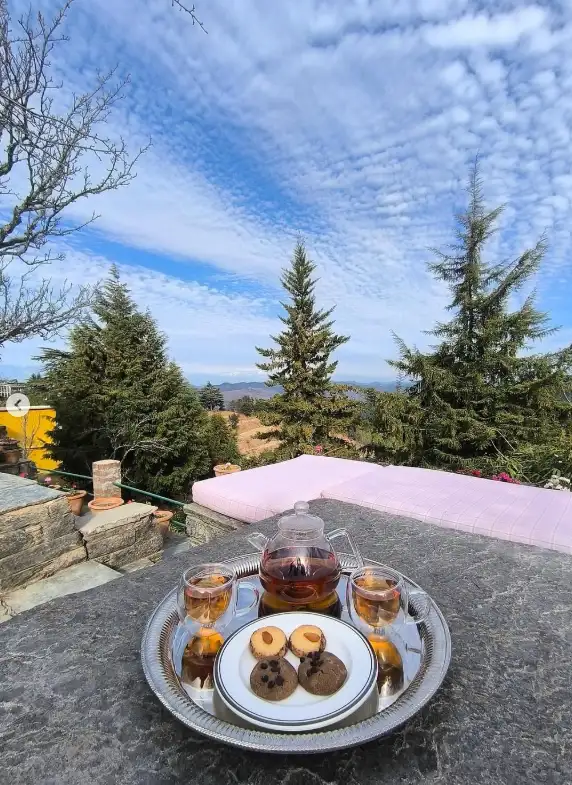
As roads improved and electricity arrived, refrigeration and modern cooking equipment expanded the possibilities. Today, the estate has three greenhouses, and around 80 per cent of its fresh produce travels from farm to kitchen to table within three hours. The menu draws on Vikram’s global travels and his interest in Indian, Nepalese, Thai and Japanese cuisines, while remaining grounded in local ingredients and seasonal produce.
A life shaped by outdoors
Sitla is not designed to appeal to everyone. There are no televisions on the property, meals are served at fixed times, and room service is not offered except when a guest is unwell.
These are deliberate choices, intended to protect the atmosphere and the fragile ecology of the hills, Vikram has spent decades creating.
Vikram continues to lead trekking expeditions in the Himalayas, including trips to Nepal and Ladakh, although Sitla now occupies more of his time. The estate requires constant attention, from tending the orchards and greenhouses to developing menus and refining the details of a guest’s stay.
The idea is not simply to expand, but to keep improving without losing the qualities that make the property special. The challenge is to offer comfort and considered hospitality while remaining connected to the land and preserving the quiet that draws people there.
Vikram Maira
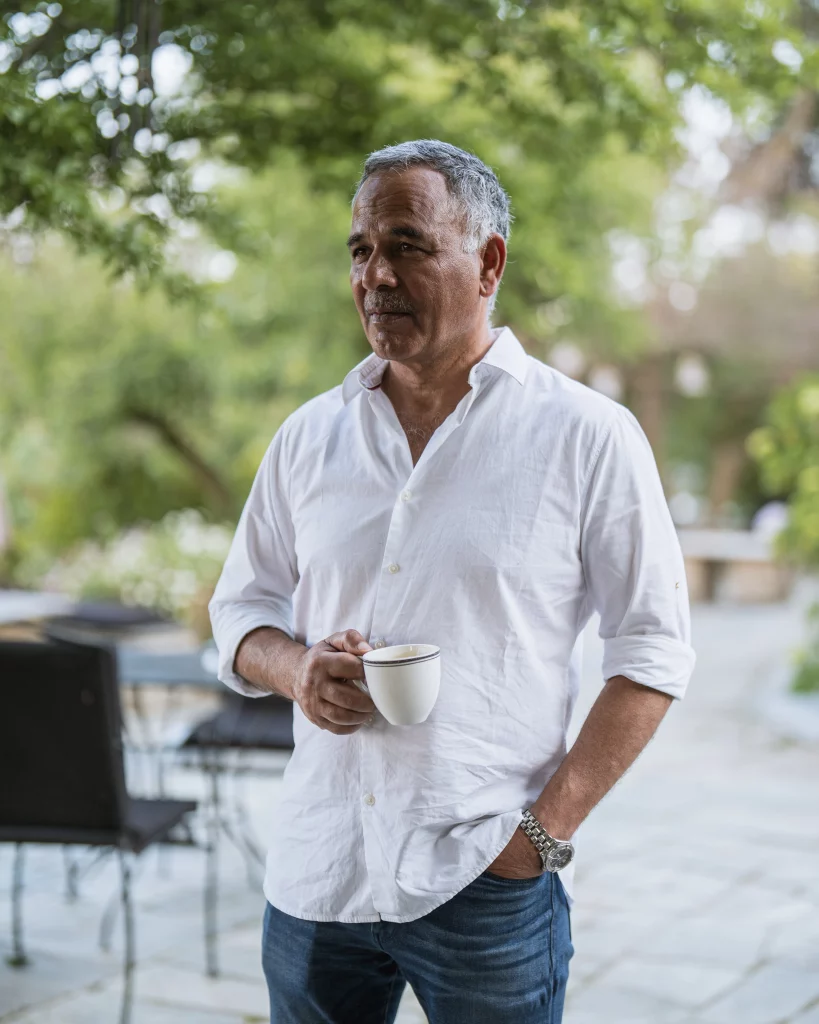
After more than three decades in Kumaon, Vikram Maira has built a life around the interests that once occupied his time away from work: trekking, nature, food and the pleasure of exploring a place closely. Sitla reflects those interests without turning them into a checklist of activities. Its luxury lies in the space it offers, the care behind its details and the freedom to spend time as one chooses.
For Vikram, a good stay begins with a simple conversation about what a guest hopes to find. The rest follows from there, whether it is a long walk through the forest, a meal shaped by the season or an afternoon spent doing nothing at all. It is a vision built over decades, with the understanding that a place can evolve continually without losing sight of what made it worth preserving in the first place. As Indians increasingly seek more and more global experiences, it is little havens like these tucked away that help us slow down, rest and recharge.
- Follow Sitla Estate on Instagram
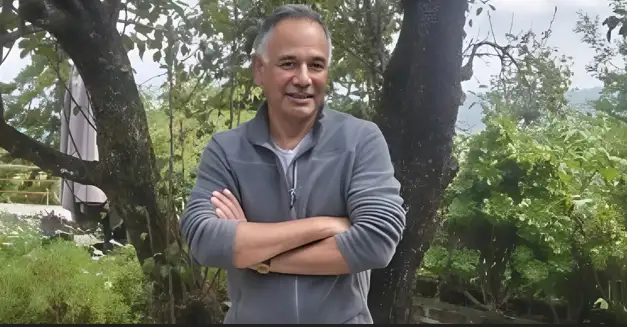
Vikram Maira
| Born | 1964, Panipat, India |
| Based | Sitla, Mukteshwar, Uttarakhand, India |
| Studied | Delhi University |
| Languages | Hindi, English |
Signature work
Vikram Maira has transformed Sitla Estate in Kumaon into an intimate Himalayan retreat, combining thoughtful hospitality, seasonal cuisine and outdoor experiences. He has also helped conserve more than 40 acres of forests and orchards around the estate, while continuing to lead trekking expeditions across the Himalayas.
Idea
Creating a Himalayan retreat that combines thoughtful hospitality with nature conservation.
Network
Connects guests with local landscapes, village trails, naturalists and regional produce through immersive experiences.
Impact
Helped conserve over 40 acres of forests and orchards while developing Sitla Estate into an intimate mountain destination.
Inspired by Vikram Maira 's journey?
Yours follows the same Hero's pattern — Separation, Initiation, Transformation, Return.
Share with


Written By: Bindu Gopal Rao
Where forests replace balance sheets: Sunith Reddy’s Beforest story
Cover Story, Indian Entrepreneur

Written By: Amrita Priya