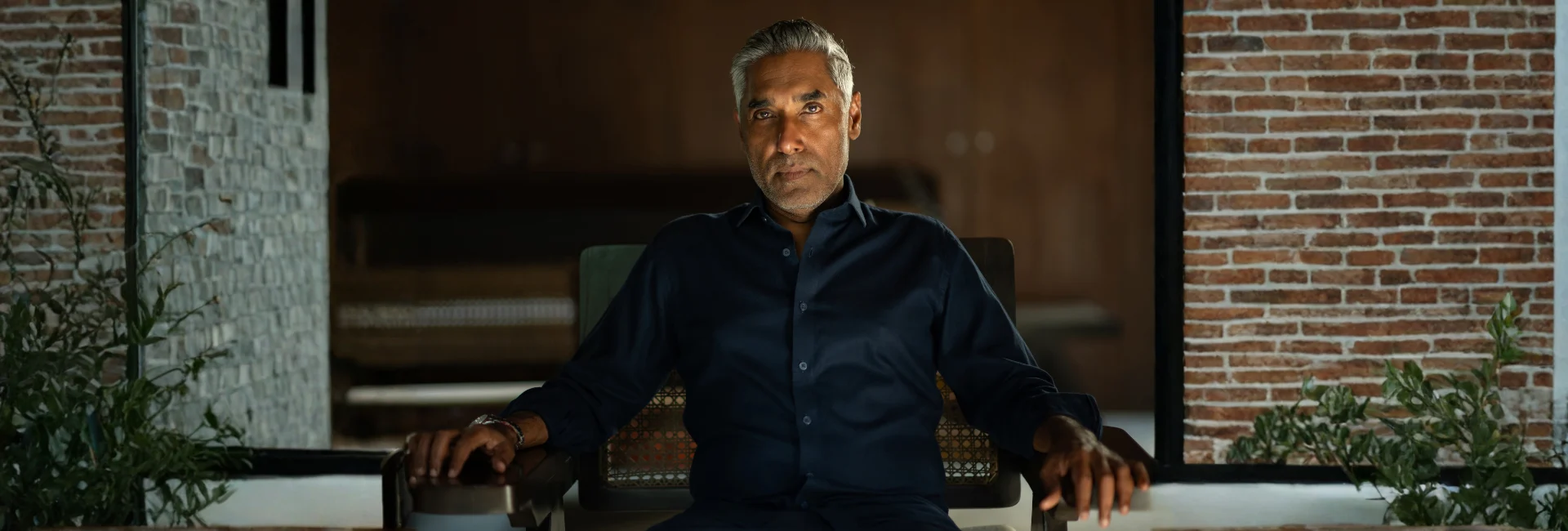


(March 10, 2026) From shaping India’s most iconic nation-branding campaigns to redefining the way brands tell their stories, creative visionary V. Sunil has played a defining role in the evolution of Indian advertising.
Beginning his career in India’s leading advertising agencies and rising to become Creative Director at Ogilvy in 2002, Sunil has been instrumental in creating some of the country’s most influential campaigns, including Incredible !ndia and Make in India, as well as launching the brand campaign for IndiGo Airlines.
Today, as the founder of .POTNTIAL and Motherland JV, he continues to work at the intersection of creativity, culture, and strategy, building brands that leave a lasting imprint. In this exclusive conversation with Global Indian, Sunil reflects on the experiences, inspirations, and ideas that shaped his journey and the campaigns that helped define modern Brand India.
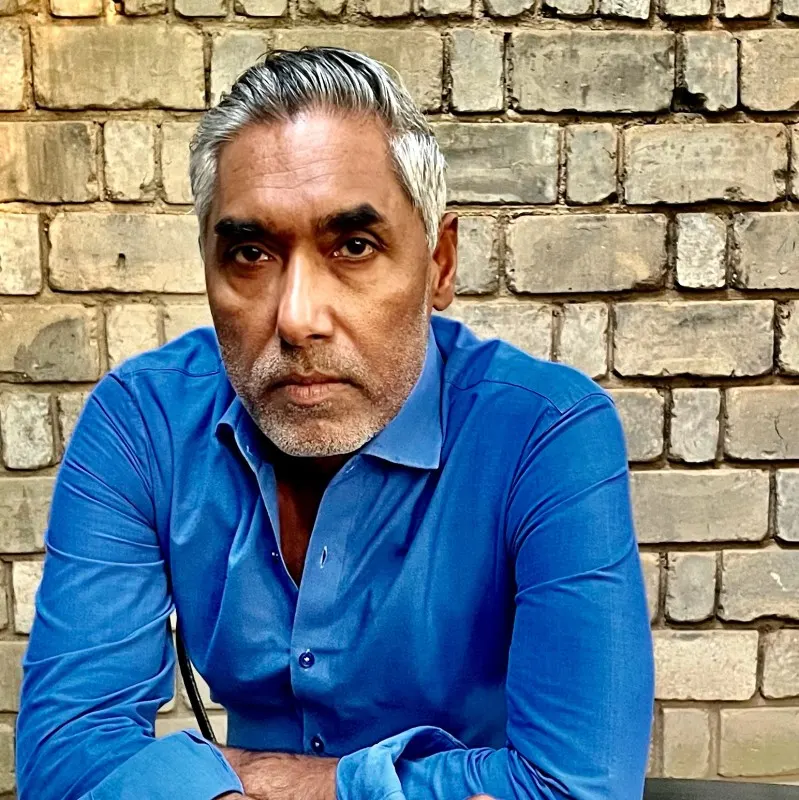
Early influences and artistic beginnings
Sunil grew up in Kannur, Kerala, where his early interest in art began to take shape. As one of the art students in school, he frequently represented his institution in state-level competitions. “Our school had a great art teacher who took a special interest in me and helped hone my painting and sketching skills,” he recalls.
While still in high school, he began doing part-time work at a local signage painting company. Kerala’s vibrant political graffiti culture also played an unexpected role in shaping his visual sensibility. “Kerala has a very strong political graffiti scene, and that early exposure shaped my understanding of graphic design and typography,” he says.
The sights and sounds of everyday life also became sources of creative inspiration. “The prayer call from the local mosque, temple crowds, and industrial sirens—all these elements shaped my sensibility and continue to influence everything I do as creative director of a branding agency even today.”
Building a career in advertising
Sunil began his professional journey in a small studio as a finishing artist, handling back-end studio work. He later moved to Contract Advertising in Bangalore, which at the time was considered one of the most exciting agencies in the country.
From Contract, he moved to McCann in Delhi, where he rose to the position of art director, becoming the youngest to hold the role at the agency at the time. Reflecting on the era, he describes the 1990s and early 2000s as a transformative period. “Watching our country evolve and seeing Brand India come into focus was incredibly exciting,” he says.
During this time, he also worked with some of the most influential figures in Indian advertising. “I’ve been extremely lucky to have extraordinary bosses and mentors—Tara Sinha, Sayeda Imam, Neil French, Dan Wieden, and of course the legendary Piyush Pandey, the architect of Indian advertising.”
In 2003, Sunil founded the agency [A], which later merged with Wieden+Kennedy in 2007. As Executive Creative Director at W+K, he helped build some of India’s most loved brands, including Royal Enfield and IndiGo. In 2014, he conceptualised the global movement Make in India. A year later, he co-founded the JDH Urban Regeneration Project in 2015, an initiative aimed at restoring the Walled City of Jodhpur through a blend of architecture, art, retail, and hospitality.
Launching the Incredible !ndia campaign
One of Sunil’s most widely recognised contributions came in 2002 when he and his team launched the Incredible !ndia campaign while he was Creative Director at Ogilvy. “We were in the middle of a global crisis,” he recalls. “Travel and aviation were in a post-9/11 shock, and there was effectively a travel embargo toward the region,” says the Delhi-based creative director.
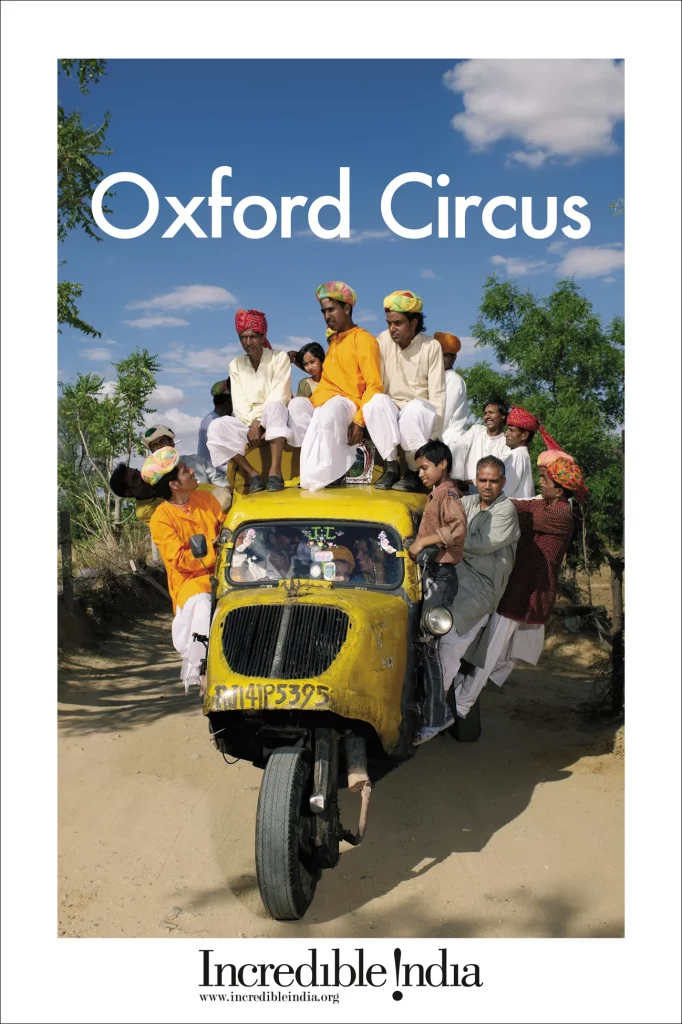
In many ways, it seemed like the wrong moment to launch a global tourism campaign. Yet the initiative went on to redefine how India was perceived internationally. “The ambition was to change the imagery and therefore change the perception of India—from the stereotype of snake charmers and peacocks to a country with a rich and diverse cultural identity.”
By 2016, the campaign had evolved further, presenting a more confident tone. One of its most ambitious activations was a pan-city campaign in London, undertaken in collaboration with the Mayor of London’s office.
The birth of the Make in India movement
If Incredible !ndia reshaped the country’s tourism narrative, Make in India sought to redefine its economic identity. Once again, the campaign was born during a challenging period. “In 2013, the Indian economy was taking a beating,” Sunil explains. “The government wanted to attract foreign investment and improve the quality of manufacturing.”
Launched in 2014 while Sunil was at Wieden+Kennedy, Make in India was created in response to an urgent brief from the Government of India inviting global brands to manufacture in the country. The initiative quickly gained momentum, with the prime minister personally championing the movement.
“The Make in India brand became part of popular culture,” Sunil says. “Today, more than a decade later, you can see its impact in the rise of better design and manufacturing across the country.”Both campaigns, he notes, achieved something rare for branding initiatives: cultural recall. “They evoke emotion and inspire national pride as confident Indian brands,” he says, adding that both platforms still hold enormous potential for reinvention and renewal.
Reimagining aviation with IndiGo
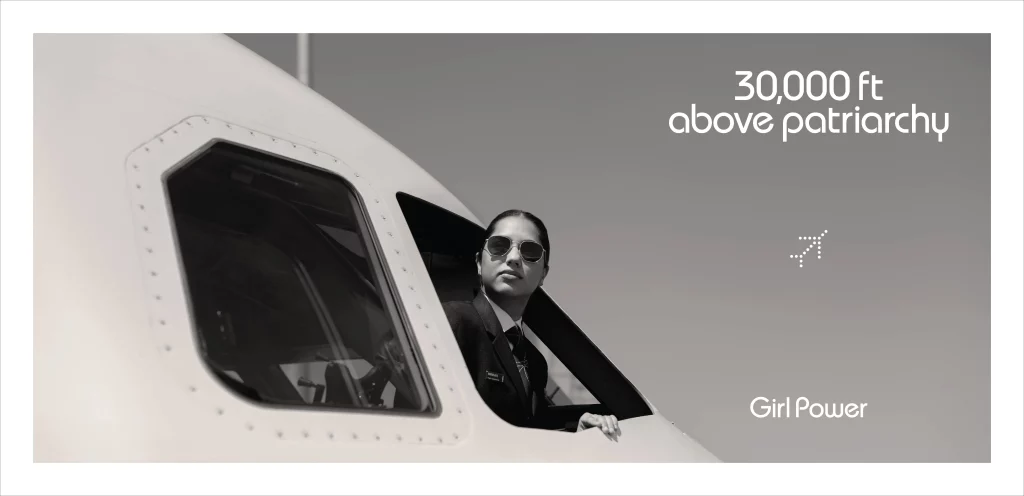
Another defining project in Sunil’s career was the creation of IndiGo’s brand identity. He recalls that when he founded his agency [A] in 2003, it was itself a response to the rigid structures of traditional advertising agencies. Their philosophy aligned closely with the vision of IndiGo’s founding team, which was then entering India’s aviation sector as a bold new challenger.
“We immediately saw the opportunity to create a brand that would change aviation culture in India,” he says. The goal was simple yet powerful: make air travel efficient, predictable, and hassle-free. The team even coined the phrase “IndiGo Standard Time” as a playful pushback against the stereotype of Indian lateness. “Our idea was to build an airline that would take you to your destination on time and give every passenger an efficient travel experience without class divides.”
Working on projects such as IndiGo, Incredible !ndia, and Make in India allowed Sunil and his teams to create large-scale platforms with a distinctive sense of taste and style.
Finding potential in POTNTIAL
Sunil later founded .POTNTIAL after identifying a gap in the branding ecosystem. “Large agencies can deliver scale, but often the quality suffers and the work becomes generic,” he explains. At the same time, smaller design firms may produce strong creative work but struggle with scale and operational efficiency.
His vision for .POTNTIAL was to bridge this gap. “We are structured to work closely with client teams to help traditional companies pivot toward refreshed and relevant brand narratives,” he says. The firm also collaborates with younger, new-age companies that aspire to build global brands.
Advice for the next generation of creatives
For young professionals looking to build careers in branding and experience design, Sunil’s advice is straightforward. “Try to work with people who are better than you and who challenge you creatively,” he says. He also encourages aspiring creatives to think beyond short-term campaigns.
“Move beyond one-off campaigns and focus on building high-quality brands and platforms that leave a lasting legacy. The struggle is real, but big-picture thinking pays off in the long run.”
Holding onto roots while embracing the world
According to V. Sunil, India’s cultural strength lies in the ability to balance rootedness with openness. “We can hold onto our roots without being overtly desi, and we adapt without bending to seek the West’s approval.” He believes this clarity of voice is increasingly visible in India’s cultural sectors, particularly contemporary art and design.
Inspirations and the road ahead
Among his biggest inspirations is his former boss at Ogilvy, the legendary Piyush Pandey. Sunil also finds inspiration in people and organisations that have helped strengthen India’s cultural ecosystem.“My artist friends and colleagues at the Kochi Biennale Foundation—I’m a founding member—or people like William Dalrymple and Sanjoy Roy of the Jaipur Literature Festival,” he says.
As for the future, Sunil sees it as an ongoing creative journey. “It’s always a work in progress,” he says with a smile. However, he hints at something significant on the horizon.“We have a very exciting legacy platform that we are about to reboot and revive. It could become another landmark moment for Brand India. You’ll hear about it soon,” he signs off.
ALSO READ: Remembering Piyush Pandey: The adman who gave Indian advertising its indigenous voice