


(February 5, 2026) After working with global teams and markets based in the US, Europe, and Southeast Asia, Sunith Reddy, CEO and co-founder of Beforest, is making the case for living with nature. A computer science graduate from IIT Madras, Sunith has built and scaled ventures across technology, finance, education, and sustainability. These experiences now inform his approach to regenerative agriculture and collective land stewardship.
If you ever thought of owning a coffee estate or living on one but felt it was out of your budget, think again. Founded in 2018, Beforest is one of the first firms in India to carry out permaculture activities at scale, designing 100+ acre collectives where coffee, food crops, water systems, and forest cover evolve together over time, reimagining a forest-friendly lifestyle. In essence, it brings together like-minded individuals to collectively steward large landscapes, allowing people to live, work, or unwind close to nature without having to manage a farm on their own.
And to see it for yourself, Beforest’s Poomaale Estate 1.0 in Coorg is home to the rustic Blyton Bungalow, a paradise for nature lovers. Whether it is a quick weekend getaway, a long rejuvenating work vacation, or simply learning about the art of growing coffee, this is where you have it all. Members don’t just visit the land; they become part of its long-term stewardship, sharing both the responsibility of nurturing it and the produce it yields. Members can also tap into the produce of other collectives across Hyderabad, Mumbai, and Bhopal, extending the shared-economy philosophy beyond a single landscape.
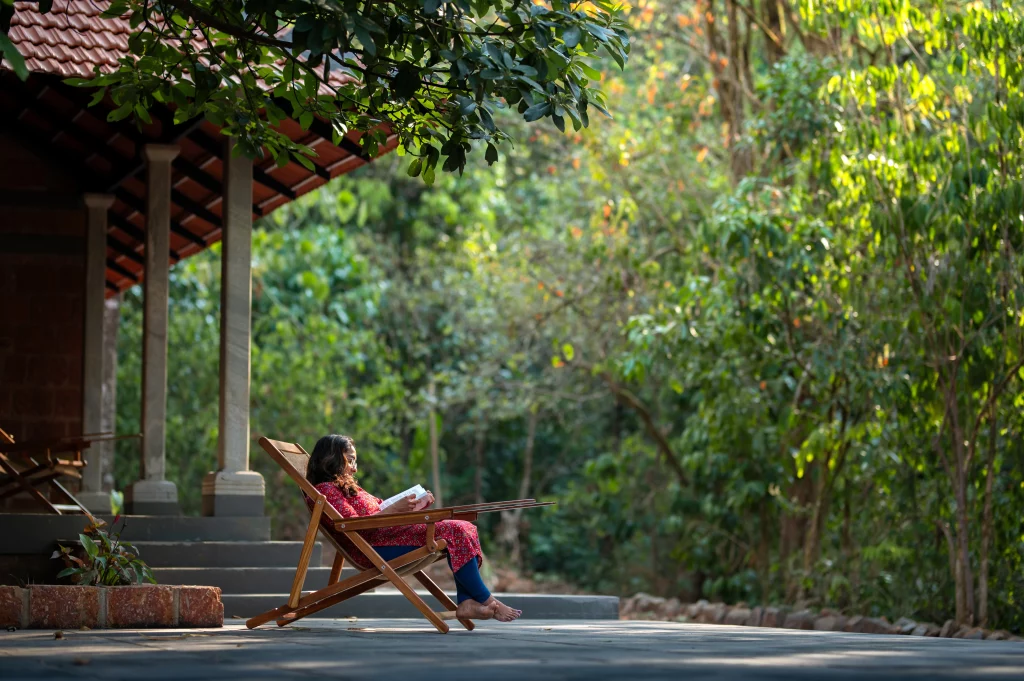
Beforest has introduced the collective model, which is large-scale, community-driven food forests designed using permaculture principles. Today, it is restoring over 1300 acres across Karnataka, Maharashtra, and Madhya Pradesh, with a long-term goal of regenerating 10,000 acres within a decade.
Down memory lane
Sunith grew up in Hyderabad and studied at Hyderabad Public School before pursuing computer science and engineering at IIT Madras on a government scholarship. Early on, he was drawn to systems thinking focused on how complex systems behave, scale, and sometimes fail.
“My professional journey gave me strong global exposure. At Yahoo and later at Lime Labs, I worked in deeply multicultural teams with colleagues from the US, Europe, and Southeast Asia. Through my algorithmic trading venture, we actively traded across global markets, including Singapore, Taiwan, Dubai, London, Moscow, and Chicago. That exposure shaped a global mindset while reinforcing how grounded, context-specific solutions matter, especially when working with land and communities,” he tells Global Indian.
He began his career at Yahoo! R&D, where he worked on Yahoo Alerts, a platform that served over 200 million users at its peak. He was later nominated for the Yahoo Ratna Award. In 2009, he co-founded iRageCapital, one of India’s first algorithmic trading firms, scaling it to over USD 1 billion in daily turnover. Two years later, in 2011, he co-founded QuantInsti to democratise algorithmic trading education globally.
“These experiences shaped my ability to build scalable systems, manage risk, and think long-term. Over time, they also made me question growth models that ignore ecological and social costs,” he says.
Hands-on exposure to conservation
Despite corporate success, community-oriented collective farms and regenerative food forests kept calling out to him. The shift came gradually through hands-on exposure to conservation and community-led models. One early project, Khetiyo, an ecotourism initiative near Corbett, was designed to transition ownership to the local village over time. Although it was halted due to park boundary expansion, it left a deep imprint on him.
“It reinforced the idea that conservation works best when communities are stakeholders, not spectators. That experience, combined with my lifelong interest in wildlife and land, helped me see food production and land regeneration as the most scalable intersection of ecology, economy, and community,” he adds.
Call of the soil
Sunith founded Beforest after stepping back from his active roles in finance and technology. The intent was to build regenerative, forest-friendly landscapes that are ecologically sound and economically viable. Growth has been deliberate, focusing on proof, repeatability, and deep community participation rather than rapid expansion. Being a builder of ecosystems, he believes, is less about control and more about coordination. Unlike products or companies, ecosystems don’t move on quarterly timelines, and they can’t be forced into a single vision.
The first real challenge is people: identifying all the stakeholders connected to a landscape and understanding how each one relates to it. “A forest, a village, or an eco-development project means very different things to different people. For a local villager, it’s a livelihood. For a sarpanch, it may affect voting dynamics or infrastructure priorities. For the administration, it’s zoning, compliance, and long-term planning. Everyone shows up with their own agenda, and none of them are wrong. The work lies in building a shared understanding, not selling a ‘great idea’. Transformation only starts when you find the overlap between these interests and align them toward a common direction,” he explains.
The next layer is designing a long-term transformation plan that respects ecological rhythms, economic realities, and social behaviour. There are no templates here, only principles. Regulatory complexity, degraded land, and scepticism around long-horizon models make the work slow and messy. “What keeps it going is proof. When land regenerates, water tables rise, and communities stay invested, momentum builds. Ecosystem transformation isn’t fast, but when it works, it’s durable, resilient, and largely self-sustaining,” he avers.
Collective cues
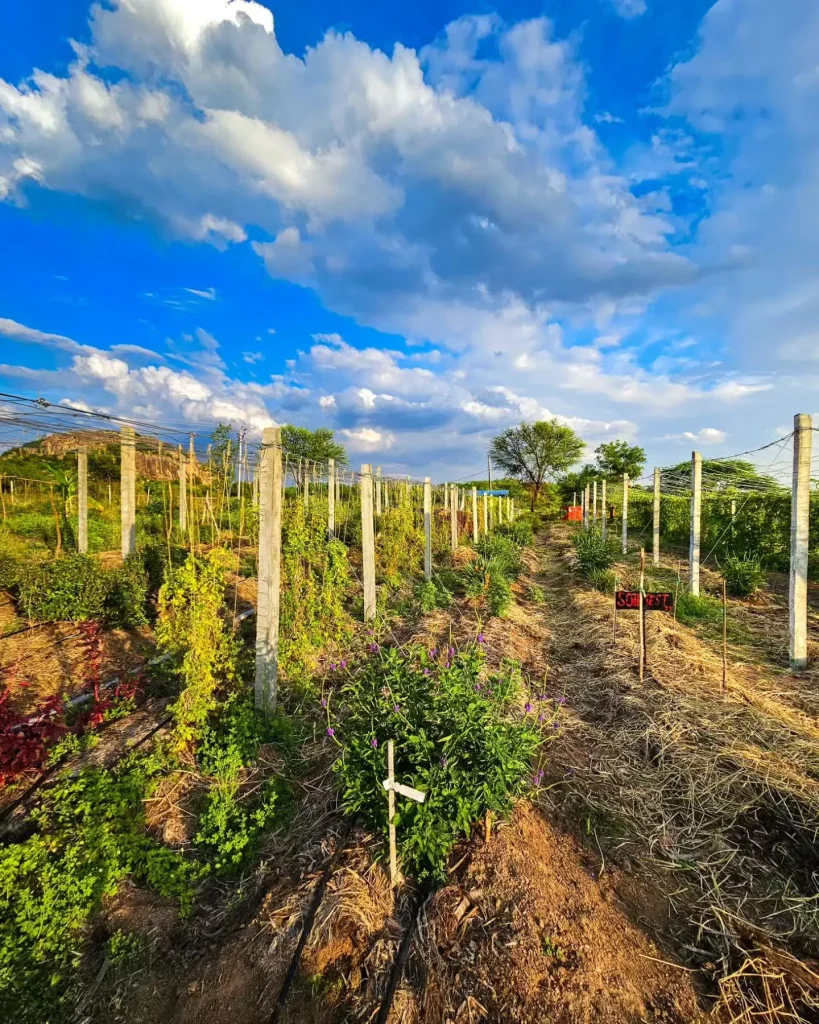
In the short term, Sunith wants to create 3,000 acres of collectives by 2028 and 10,000 acres by 2035. “However, our aspirations go beyond creating collectives. Each collective is an inspiration site in the sense that it demonstrates what is possible beyond conventional methods, and we hope it triggers social and ecological change,” he says.
“In the first five years of a collective, we see ourselves as landscape intervenors. This means intervening directly, creating water-harvesting structures, enriching soil biomass, protecting wilderness zones, and building a complete coffee processing chain up to speciality coffee. In the next five years, we see ourselves as catalysts, facilitating change beyond the collective boundaries. For example, in our first collective, we have already begun conducting workshops for neighbouring farmers and introducing them to value partners. But the effort ultimately has to come from them.”
A globally informed, locally grounded outlook
For Sunith, engaging with global systems while remaining deeply rooted in local realities has shaped his worldview. Exposure to international markets, governance standards, and execution frameworks has influenced how Beforest is structured — but the problems it addresses are distinctly Indian: land degradation, food security, and climate resilience.
“India has centuries of ecological intelligence embedded in its landscapes and communities. The opportunity lies in combining that wisdom with modern systems thinking,” he says. “It’s not about scale alone; it’s about responsibility, relevance, and building solutions that can stand scrutiny anywhere while serving where they’re needed most.”
Challenges have been inevitable. One of the biggest has been building trust around a non-traditional model — collective ownership, long timelines, and regenerative outcomes. “Many people are used to linear returns and quick exits. Overcoming this required radical transparency, strong governance, and letting the land speak for itself,” he says. Operationally, each landscape behaves differently, and ecological restoration doesn’t follow fixed projections. “Regeneration requires patience,” he adds, “but patience compounds — ecologically and economically.”
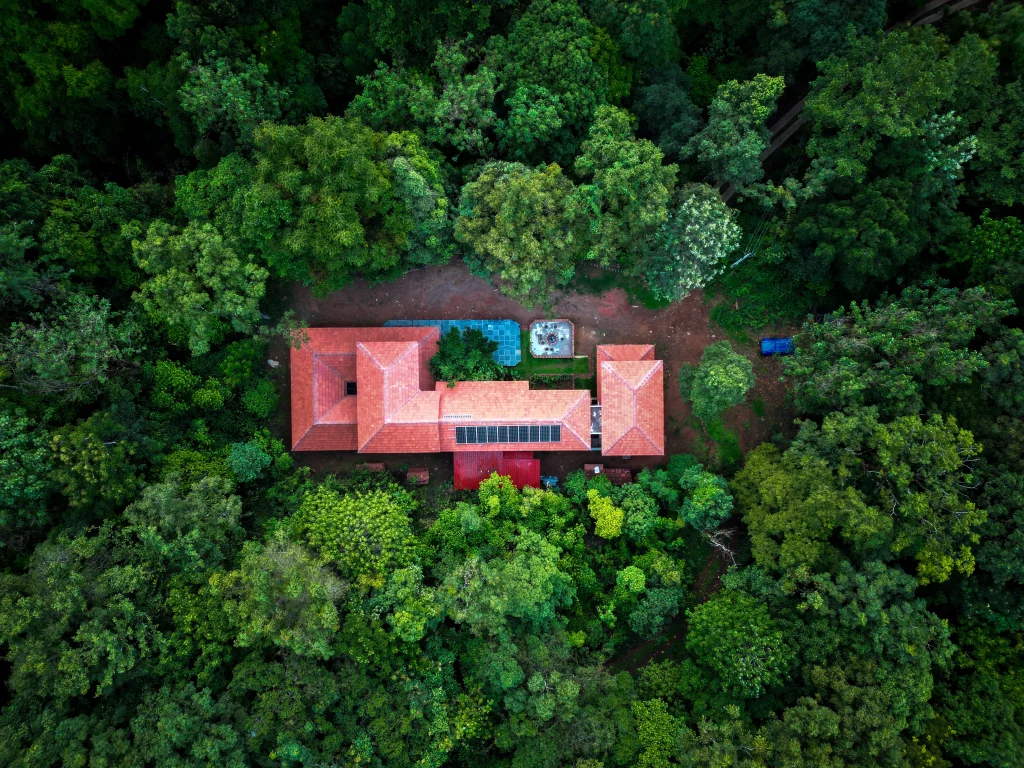
Blyton Bungalow at Beforest’s Poomaale Estate, Coorg
Leaving the land better than we found It
Sunith Reddy draws inspiration from living systems that function without excess. “Nature is the greatest teacher. A forest doesn’t rush, yet it outlasts everything,” he reflects. “Long-term thinking is a competitive advantage. Most systems fail because they optimise for speed, not resilience. Whether in business or ecology, what endures is balance.”
Looking ahead, his ambition is to help create a blueprint for an alternate way of life in order to leave landscapes healthier for future generations. “Can we design systems centred on the enhancement of commons? Can we leave a better landscape for our children than the one we inherited? Those are the questions that define my calling,” he concludes.
- Follow Sunith Reddy on LinkedIn and Instagram
- Follow Beforest Farming, BeWild Life Coffee and Produce and Blyton Bungalow on Instagram
ALSO READ: Uday Krishna: Turning trees, tigers, and tourism into a conservation movement