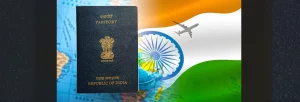


(January 16, 2026) The Indian passport just got more muscle. According to the recent Henley Passport Index 2026, India now ranks 80th worldwide, marking a steady rise from 85th place last year. The Indian passport currently offers visa-free access to 55 destinations, putting it on par with Algeria.
While this is a positive step forward, large parts of the world still require visas for Indian citizens, meaning global travel freedom remains limited compared to top-ranking nations.
Last year, when India stood at 85th on the global index, Indian passport holders had access to 57 destinations without a prior visa. The slight reduction in access reflects shifting visa policies and reclassifications worldwide, as some countries tightened entry requirements or adjusted agreements impacting India’s overall count despite its improved ranking.
In 2026, Indian passport holders can travel visa-free or with visa-on-arrival to 55 destinations. Alongside Thailand, popular options include Indonesia, Maldives, Mauritius, Sri Lanka, Bhutan, Nepal, Seychelles, and Fiji. However, Hong Kong and Macau were dropped from the list this year, reflecting regional policy changes.
What the ranking means for India and Indian passport holders
India’s improved ranking in the global passport index reflects the cumulative impact of sustained and consistent government policy, says Vijay Goel, Chairman of the Indo-European Business Forum. “Passport strength is fundamentally a measure of international trust in a country’s governance systems, border management, economic stability, and adherence to global norms,” Vijay tells Global Indian.
“In recent years, the government has focused on deepening diplomatic engagement and strengthening bilateral and regional partnerships, reinforcing India’s credibility as a stable and responsible global actor.”
Growing international acceptance
Vijay feels these policy efforts translate over time into greater international acceptance and mobility for Indian citizens. “The steady upward movement in India’s passport ranking highlights the effectiveness of policy continuity and strategic global engagement, and serves as a clear indicator of India’s expanding global footprint and growing international confidence,” he says.

Vijay Goel, Chairman of the Indo-European Business Forum
Singapore remains on top
For the third consecutive year, Singapore retained its crown as the world’s most powerful passport, granting visa-free entry to 192 destinations out of 227 assessed. Japan and South Korea share second place with access to 188 countries. Denmark, Luxembourg, Spain, Sweden, and Switzerland follow closely in third with 186 destinations.
The fourth spot is held by a cluster of European nations — Austria, Belgium, Finland, France, Germany, Greece, Ireland, the Netherlands, and Norway offering entry to 185 destinations. Completing the top five are Hungary, Portugal, Slovakia, Slovenia, and the UAE, with access to 184 countries.
International trust and diplomacy
Dr Nawab Mir Nasir Ali Khan, Honorary Consul of the Republic of Kazakhstan in Hyderabad for Telangana and Andhra Pradesh, says that from a diplomatic perspective, the steady improvement in the global standing of the Indian passport is both significant and reassuring. “India’s advancement to the 80th position in the Henley Passport Index 2026 reflects the country’s growing international trust, mature diplomacy, and constructive engagement with nations across regions,” he tells Global Indian.
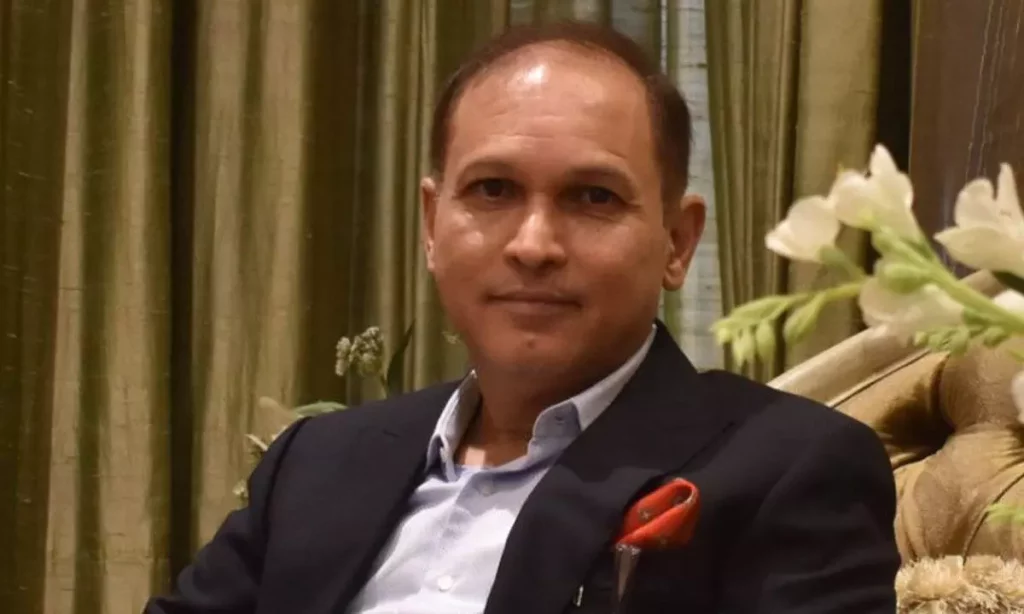
Dr Nawab Mir Nasir Ali Khan, Honorary Consul of the Republic of Kazakhstan in Hyderabad
A positive evolution in mobility
In his capacity as Honorary Consul, Dr Nawab observes a clear and positive evolution in how Indian passport holders are received worldwide. An increasing number of countries now offer visa-free access, visa-on-arrival, or streamlined visa procedures to Indian citizens, indicating confidence in India’s governance, security frameworks, and global responsibility.
“This progress is the outcome of sustained diplomatic dialogue, strong bilateral relations, and expanding economic, cultural, and people-to-people cooperation,” he says.
Boost to diplomatic and economic exchanges
Enhanced passport mobility not only facilitates travel but also strengthens diplomatic exchanges, trade linkages, investment flows, and institutional collaboration between countries.
“The rising global acceptance of the Indian passport is a reflection of India’s expanding role as a trusted partner in the international community,” says Dr Nawab, adding that continued diplomatic engagement, mutual respect, and cooperation will further consolidate this progress, contributing to stronger global connectivity and shared prosperity.
Afghanistan at the bottom
While Singapore tops the ranking with 192 destinations, Afghanistan sits at the bottom, with its citizens able to visit only 24 countries visa-free. One of the main reasons Afghanistan has fared poorly is that the ruling Islamic Emirate of Afghanistan is not internationally recognised and continues to issue passports bearing the name of the former internationally recognised government, the Islamic Republic of Afghanistan, which limits their acceptance for international travel. Obtaining visas from within Afghanistan is also difficult, as many embassies closed following the Taliban takeover in August 2021.
Destination weddings and lifestyle impact
Offering a different perspective, well-known wedding planner Urvashi Mishra of Radz Events says India’s improved passport ranking is a positive step for global weddings. “It makes travel easier to several destinations, which allows couples to plan pre-wedding events, shoots, and celebrations across more countries,” she tells Global Indian.

Urvashi Mishra, Wedding Planner
That said, key wedding markets like the U.S., U.K., and Europe still require visas, and visa uncertainty remains the biggest challenge for Indian guests. “Overall, it expands possibilities, but doesn’t remove the main barriers yet.”
Key hurdles remain
According to Urvashi, India’s improved passport ranking makes it simpler for couples and families to travel to several countries without lengthy visa processes. Visa-friendly countries are increasingly becoming attractive choices for haldi, sangeet, or welcome events, especially for mixed NRI–India guest lists. “Families feel more comfortable committing to international weddings when overall travel feels less restrictive.”
However, she reiterates that key wedding markets like the U.S., U.K., and Schengen countries still require visas, which remain the biggest challenge for Indian wedding guests. “Visa timelines and approvals can affect attendance, especially for elders and extended family. The higher passport ranking helps expand wedding possibilities globally, but visa hurdles for major wedding destinations continue to be the biggest limitation.”
India’s rising passport rank signals growing global confidence, but until visa barriers ease in key destinations, true mobility for Indian travellers remains a work in progress.
ALSO READ: Diwali 2025 sparks a global travel buzz, with searches for India up by 67 percent