


(February 2, 2026) From Mumbai’s bustling streets to North Indian home kitchens, Indian food has once again claimed space on the global table — this time through the humble potato.
TasteAtlas, one of the world’s most influential food and travel guides, has released its Best Potato Dishes in the World rankings, and four Indian dishes have made it into the global Top 50. From the iconic Vada Pav (Rank 17) to comfort classics like Aloo Gobhi (Rank 29), Batata Vada (Rank 40) and Aloo Tikki (Rank 43), desi flavours have found recognition far beyond Indian borders, reaffirming how everyday Indian food continues to resonate with global audiences.
For Indian chefs and food professionals, the moment is less about rankings and more about representation of memory, culture and food that was never created to impress the world, yet somehow did.
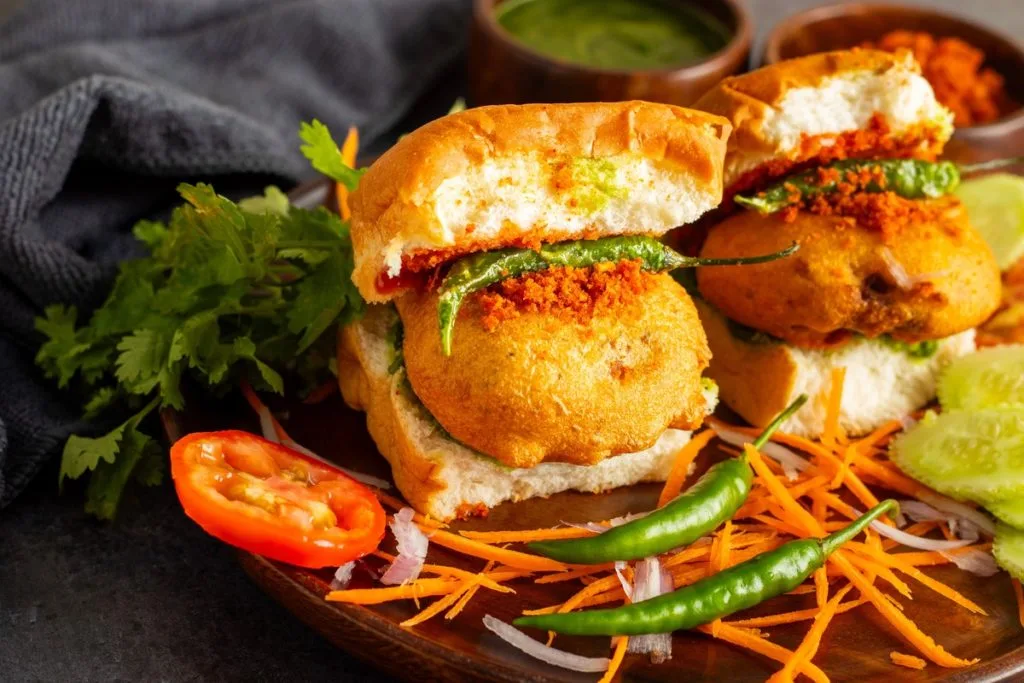
Born on Mumbai’s streets, loved worldwide, Vada Pav claims Rank 17
‘Not about hype’
For chef Anuj Sarkar, the moment feels personal. Seeing Vada Pav, Aloo Gobhi, Batata Vada and Aloo Tikki recognised on a global food platform, he says, is meaningful precisely because these dishes were never designed for applause. “None of them were created to impress the world. They were made to feed people — affordably, honestly, and with flavour that stays with you,” Anuj tells Global Indian. He describes Vada Pav as Mumbai’s everyday hero, Aloo Gobhi as the quiet comfort of North Indian homes, and Batata Vada as deeply rooted in Maharashtra’s streets.
Having helmed award-winning kitchens across Abu Dhabi, Dubai, Antalya and Doha, Anuj sees this recognition as validation for Indian food in its most authentic form.
Opening doors globally
“This kind of global recognition opens doors,” he says. “It puts Indian home-style and street food on the world map, not as ‘cheap eats’, but as cultural icons.”
For Anuj, the TasteAtlas list celebrates simplicity done right. “Familiar ingredients, strong identity, and food that carries memory, culture, and emotion in every bite. It’s a proud reminder that you don’t need luxury to be legendary. Sometimes, food that belongs to everyone ends up being loved everywhere.”
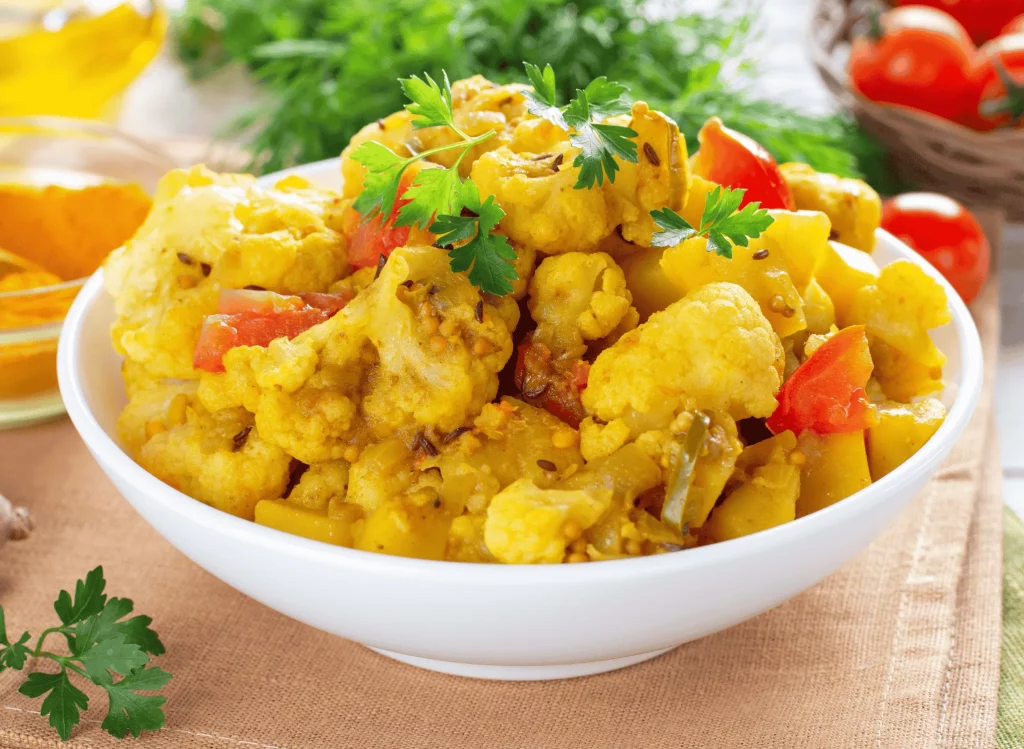
Simple, seasonal and soulful, Aloo Gobi from Northern India secures Rank 29
Why potato succeeds globally
Celebrity chef, restaurateur and television personality Kunal Kapoor echoes the sentiment, pointing out that the rankings celebrate food of the people.
“Vada pav, batata vada, aloo tikki — all these are not dishes created in luxury kitchens. They were born on the streets and in homes, and that’s where their real power lies,” he tells Global Indian. Aloo Gobhi’s presence on the list, Kunal says, is particularly significant. “It represents the Indian home kitchen — simple techniques, seasonal ingredients, flavours that don’t need drama to be memorable.” Indian potato dishes succeed globally, he explains, because they prioritise texture, spice balance and comfort.
From local to global food
“The potato becomes a canvas, and every region paints it differently,” Kunal says. “Vada pav ranking at 17 shows how street food is no longer just ‘local food’ — it’s global food. When done with honesty, even the simplest snack can travel the world.” For him, the TasteAtlas recognition is a reminder that Indian cuisine doesn’t need reinvention to stay relevant. “Authenticity itself is our strongest ingredient.”
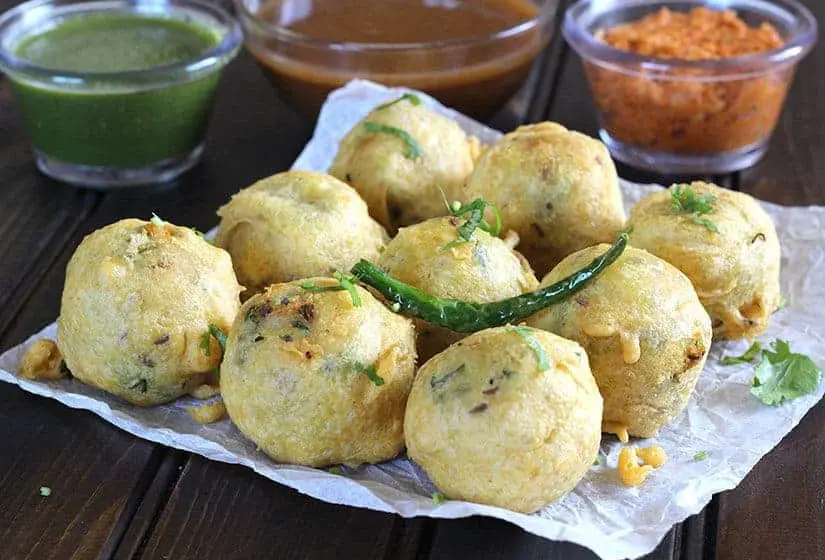
Crisp and spiced Indian favourite from Maharashtra, the Batata Vada earns Rank 40
What is TasteAtlas?
Founded in 2018 by Croatian entrepreneur Matija Babic, TasteAtlas was created as a global “encyclopedia of traditional dishes.” Over time, it has grown into one of the internet’s most influential, and sometimes controversial food guides. Its rankings, including “Best Dishes,” “Best Cuisines,” and “Most Legendary Restaurants,” regularly dominate social media, spark national pride, and also ignite heated debates among food lovers worldwide.
Despite some criticisms that come its way, TasteAtlas has continued to expand its influence, moving from a visual archive of local dishes to producing high-profile global rankings comparing entire cuisines.
How ratings work
TasteAtlas states that its ratings are compiled from user scores for dishes and restaurants on the platform. AI is used to filter large volumes of votes to remove suspected spam or bias, and annual rankings are aggregated from this pool. For world cuisine rankings, the platform explains: “Each country’s rating is obtained by the users’ average rating of the 30 best dishes, beverages and food products in that country.”
The guest who became family
Indian celebrity chef and entrepreneur Sanjay Thumma brings humour and cultural insight into the potato’s Indian journey. “In India, there’s a rule — travel 50 km and you’ll meet a new language, a new accent, and a new potato dish,” he says. “This isn’t a saying — it’s a GPS feature.”
The irony, he notes, is that the potato isn’t even native to India. “It came a few hundred years ago and behaved like that one guest who visits for tea and eventually becomes the family elder.” Calling potato the CEO of the Indian kitchen, Sanjay says it’s impossible to imagine Indian food without it. “Why did potato become ‘ours’ so fast? Because potato has a superpower: it never argues. It absorbs masala like a sponge absorbs water… potato says only one thing: ‘Yes boss.’”
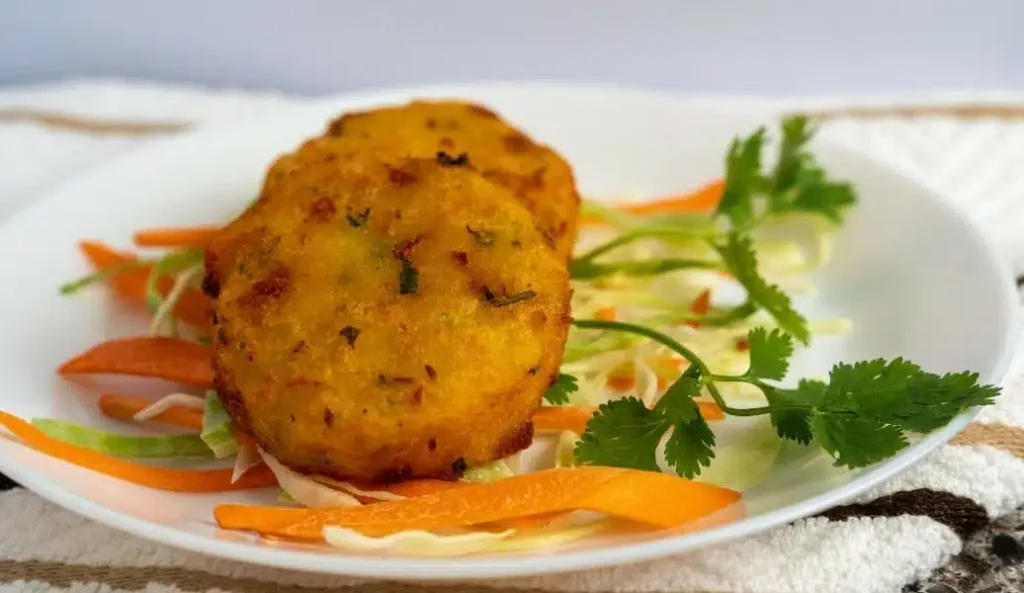
From evening snack to worldwide appeal, Aloo Tikki from Northern India takes Rank 43
Culture on a plate
Drawing a comparison, Sanjay notes that pant and shirt are universal — worn everywhere without signalling origin unless specially designed. “But potato recipes? Because food is not just ingredient — it’s culture. Every region puts its own ID card into potato: oil, spices, tempering, chutneys, habits, and emotions.”
From potato–brinjal curries in Telangana, to potato–mutton as Sunday religion, and biryani where the potato is the most fought-over piece, he says the vegetable carries deeply personal meaning. “Indian potato dishes are not just tasty — they are personal. Rankings may impress the world, but my heart still stays with potato–brinjal curry, potato–mutton curry, potato–chicken curry, and biryani with potato. Because when it comes to potato… the world can talk, but every region will say: ‘Our aloo is the best aloo.’”
ALSO READ: A global delight: Discover the irresistible flavours of Indian street food