


(January 3, 2026) Unlike in the past when Indians left either as indentured labourers under British rule, or as skilled professionals such as doctors and engineers migrating since the 1970s, it is now the wealthy who are increasingly leaving the country. So writes former media advisor and spokesperson of the Prime Minister’s Office, Sanjaya Baru, in his book Secession of the Successful: The Flight Out of New India.
Baru outlines four phases of Indian emigration, identifying the current moment as the fourth. “It is still in its incipient stage but has already acquired a high profile. It is the migration of the children of the wealthy as well as of high net worth individuals (HNIs) and the politically and socially powerful and influential elite, which amounts to a ‘secession of the successful’,” he writes.
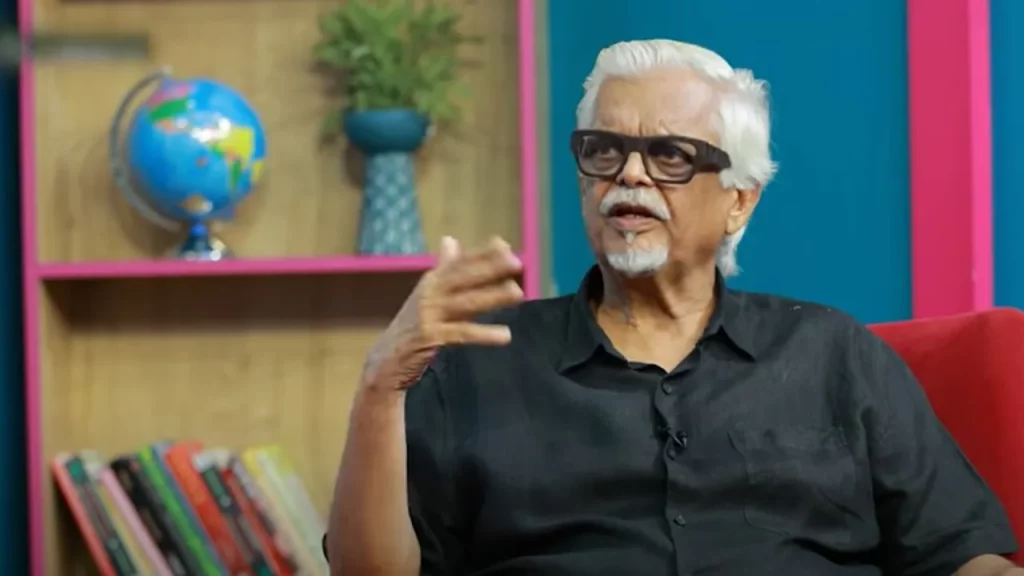
Sanjaya Baru, Former media advisor and spokesperson of the PMO
The numbers tell the story
Backing this shift with data, the Ministry of External Affairs recently informed Parliament that over nine lakh Indians have given up their citizenship in the last five years, with more than two lakh doing so annually since 2022.
Beyond the ‘brain drain’ narrative
Well-known political analyst and Director of Hyderabad-based Devendra Vidyalaya, Vijayender Goud Tulla, says the rising conversation around Indians moving abroad is often framed as a “brain drain” or a cause for national concern. “This narrative oversimplifies a far more complex reality. Migration today is driven not by a lack of patriotism, but by structural challenges at home and unprecedented global opportunities abroad,” he points out.
The dual citizenship constraint
Vijayender feels one of the most significant push factors is India’s lack of dual citizenship. For many long-term migrants, acquiring foreign citizenship becomes unavoidable in order to access full political rights, social security, permanent residency, and stable employment in their adopted countries.
Economic opportunity in a globalised world
In an increasingly interconnected world, such policy limitations feel outdated. “Economic opportunity remains a powerful driver. Skilled professionals frequently find that their education and experience yield far higher returns in countries like the United States, Canada, and Australia,” explains Vijayender. He adds that better salaries, transparent work cultures, and clearer career growth paths make overseas markets far more attractive, particularly for highly trained talent.
Healthcare as a deciding factor
Healthcare, he says, has also emerged as a decisive consideration. “While India boasts world-class private hospitals, healthcare access remains uneven and largely dependent on personal affordability. Public healthcare systems are overstretched, preventive care is weak, and long-term health security is uncertain,” Vijayender notes, explaining why many families move abroad in search of universal healthcare systems that offer consistency, emergency preparedness, and dignified care across all life stages.
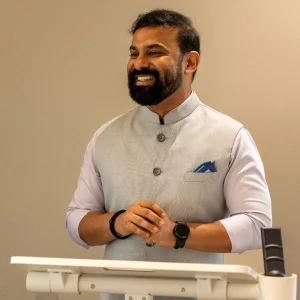
Vijayender Goud Tulla, Director of Devendra Vidyalaya, Hyderabad
Quality of life pressures
Quality-of-life concerns further compound the issue. Vijayender points out that cities like Delhi and several other urban centres suffer from severe pollution, overcrowding, and infrastructure strain. “Persistent air quality problems pose serious long-term health risks, making cleaner environments and better urban planning in other countries increasingly appealing.”
Policy pull factors and golden visas
For high-net-worth individuals, the reasons are often more policy-driven than emotional. Destinations like Dubai, Vijayender says, have proactively opened their doors through Golden Visa programmes, offering long-term residency, tax exemptions, and regulatory clarity. “Compared to India’s complex tax structure and bureaucratic inefficiencies, such environments feel more predictable and business-friendly.”
At the same time, he stresses the importance of perspective. “When measured against India’s vast population, the percentage of people migrating abroad remains minimal and statistically insignificant. This is not an exodus—it is mobility.”
Living in a global village
In fact, mobility, he argues, is a defining feature of a globalised world. “We must also recognise that we are no longer living in a country-centric era. We are rapidly becoming a global village.” With technological advancements accelerating and space exploration pushing beyond imagination, talent today naturally gravitates towards global ecosystems where innovation, funding, and collaboration converge.
A moment of opportunity for India
“Rather than reacting with alarm, India should view this moment as an opportunity,” says Vijayender. He believes the focus must shift towards improving healthcare access, reducing pollution, strengthening urban infrastructure, and creating globally competitive professional ecosystems at home. If these fundamentals are addressed, staying in India will become a choice of aspiration—not a compromise. “Migration, ultimately, is not a rejection of India. It is a reflection of a world where borders matter less, opportunity matters more, and nations must compete not by restricting movement, but by improving quality of life,” he sums up.
What the data shows
According to data provided by the Centre during the recent winter session of Parliament, 2.06 million (over 20 lakh) Indians gave up their citizenship between 2011 and 2024. Nearly half of this occurred in the last five years, during and after the Covid-19 pandemic. For almost a decade within these 14 years, annual figures stayed within a narrow bracket of 1.2 lakh to 1.45 lakh Indians renouncing citizenship each year, before shifting sharply to over two lakh annually from 2022 onwards.
Official Reasons: ‘Personal convenience’
Responding to questions in the Lok Sabha, the MEA stated in written replies that “the reasons are personal and known only to the individual” and that “many of them have chosen to take up foreign citizenship for reasons of personal convenience.” The ministry also acknowledged that India “recognises the potential of the global workplace in an era of knowledge economy.” This comes even as brain drain has affected India since the 1970s and has increased with each passing decade, peaking in the 2020s.
‘No Quality of Life’: A political perspective
Speaking to Global Indian, former national spokesperson of the Congress party and author of Sanjay Jha says there are several reasons for the exodus, with the primary one being the absence of quality of life. He believes educated Indians who see a future for their families and children do not want them growing up amid the kind of air quality index (AQI) levels experienced in cities such as New Delhi. “It’s not just the pollution; it’s the civic infrastructure, overall corruption in governance, the state of traffic across the country, poor status quo, and so on,” he says.
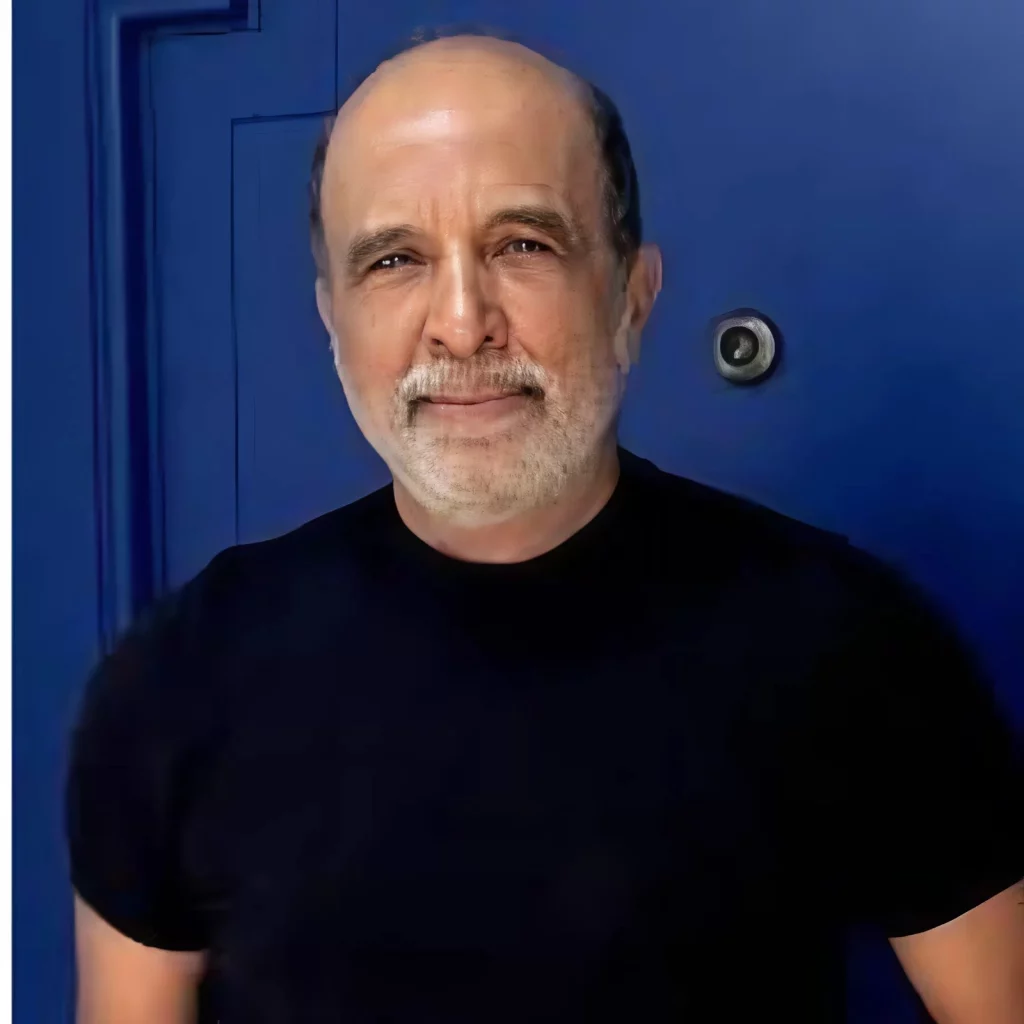
Sanjay, Jha, Former national spokesperson of the Congress party and author
Calling the rising numbers disconcerting, Jha says they indicate that the India story is losing its shine—not just for overseas investors, but also for citizens with talent, skills, and capital who are increasingly losing faith. “People are realising that they pay taxes but don’t get the returns they expect from the government.”
Social climate and Safety concerns
Jha also points to the social climate as a contributing factor. “The violence and vandalism against minorities over the last 10–11 years have made many wonder whether they are safe and can live happily together.”
Economic anxiety and inequality
According to him, the absence of jobs and limited career growth opportunities further compound the problem. “The overall economic growth in India is dismal. It makes no sense when per capita income remains so low that people feel the economy’s potential to grow is shrinking.” Elaborating further, he says entrepreneurs are uncertain whether they will find markets for their products or services. “People’s incomes are not booming, and we are becoming an income-unequal country, where very few people hold most of the wealth.”
Deteriorating law and order
Jha also flags concerns around law and order. Citing National Crime Records Bureau (NCRB) data, he says rising violence against women, abuse of minorities, and attacks on Dalits have made many feel unsafe. “Agencies like the ED, CBI, and Income Tax are being used to harass politicians. If powerful people can be intimidated, threatened, or arrested, what hope is there for the common man?”
Taken together, these economic, social, and institutional pressures suggest that India’s citizenship challenge is not merely about migration numbers, but about trust, governance and lived experience. As mobility becomes the norm in a globalised world, the real question for India may not be why people are leaving but what would make them choose to stay.