April 21 2026
Back where it matters: Dr Ankit Jain bringing global neurosurgery practices home

(April 21, 2026) From a curious student in Agra to an internationally trained neurosurgeon, Dr Ankit Jain represents a growing cohort of Indian doctors who, after getting training abroad, are returning home to elevate the country’s medical landscape by bringing global expertise, advanced techniques, and a renewed standard of care to reshape healthcare in India.
For Dr Ankit Jain, the operating theatre is where precision meets purpose. A neurosurgeon and neuro-intervention specialist, his journey from Agra to some of the world’s leading medical hubs in Phoenix, Zurich, and Boston has been defined by a relentless pursuit of excellence in solving the brain’s most complex challenges. Yet, despite this global training, his work remains firmly rooted in India, where he is applying international, evidence-based protocols to elevate patient care at Indraprastha Apollo Hospital in New Delhi.
“I was always driven by the challenge of solving complex anatomical and physiological problems,” says Dr Jain in a chat with The Global Indian.
This global exposure has shaped not just his skillset, but his philosophy of care. His practice today spans diagnostic consultations, complex surgeries, and advanced neuro-interventional procedures, with a strong emphasis on minimally invasive techniques. “My focus remains on integrating technology, like endovascular techniques to reduce the invasiveness of surgeries,” he explains.
The making of a topper
Long before he entered the operating theatre, excellence was already a defining trait. From topping his city in school to securing All India Rank 1 in the AIIMS neurosurgery super speciality entrance exam, Dr Jain’s academic journey reflects the precision he brings to surgery.
At AIIMS Delhi, he not only topped the entrance exam but also graduated as the topper in his MCh neurosurgery programme. It was an achievement that placed him among the country’s most promising neurosurgeons early in his career.
His turning point, however, came during his surgical residency in Agra. “During my residency there, I was assisting in the neurosurgery of a road accident victim, who had life threatening injuries. We were able to save his life by performing a surgery,” he recalls. That moment would go on to define his calling.
High-stakes medicine, human-centred care
Today, Dr Jain’s work sits at the intersection of cutting-edge technology and deeply human care. Whether it is treating brain tumours, complex spinal conditions, or life-threatening vascular emergencies, his approach extends far beyond the operating table.
“For neuro-oncology and spine patients, the treatment involves not just the surgery, but the post-operative support and rehabilitation,” he says. His expertise spans endovascular neurosurgery, minimally invasive spine surgery, neuro-oncology, and advanced endoscopic brain procedures. These are the fields where millimetres can determine outcomes.
Among the most challenging cases he handles are ruptured aneurysms requiring high-precision endovascular coiling, as well as tumours located in critical regions of the brain. “Managing brain tumors situated in ‘eloquent’ areas (regions controlling speech or movement), require extreme precision to remove the tumor while preserving vital brain function,” he explains.
Learning from the world
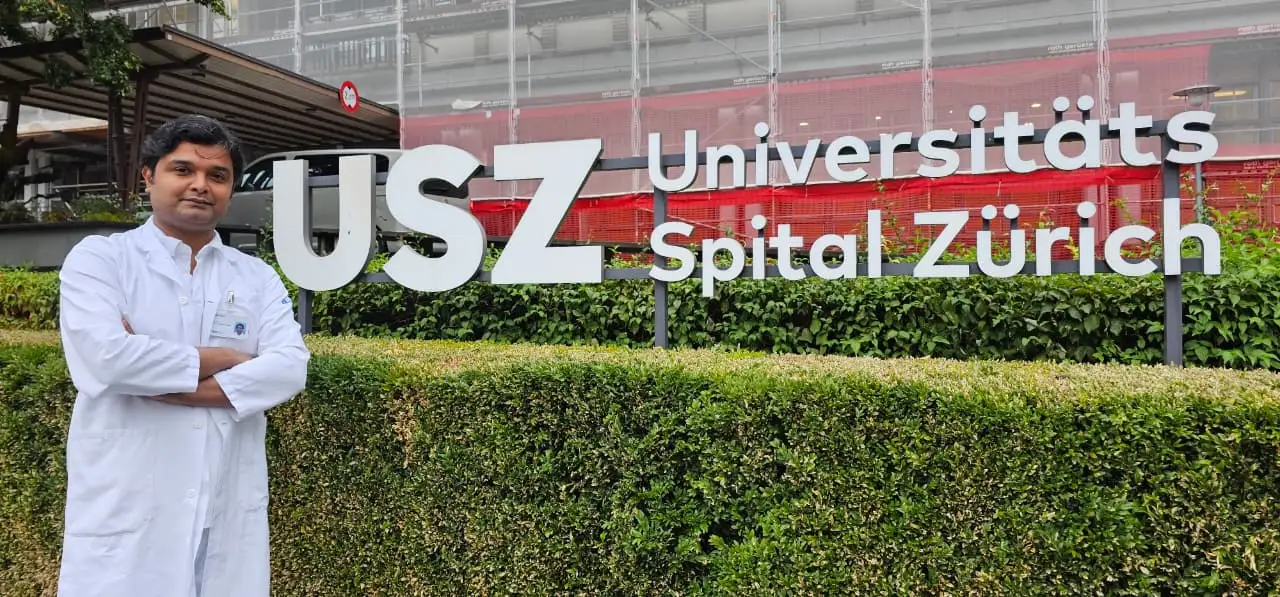
As an international visiting scholar at the Barrow Neurological Institute, United States, Dr Jain trained in cerebrovascular and skull-base neurosurgery. His journey then took him to University Hospital Zurich, Switzerland, where he specialised in interventional neuroradiology.
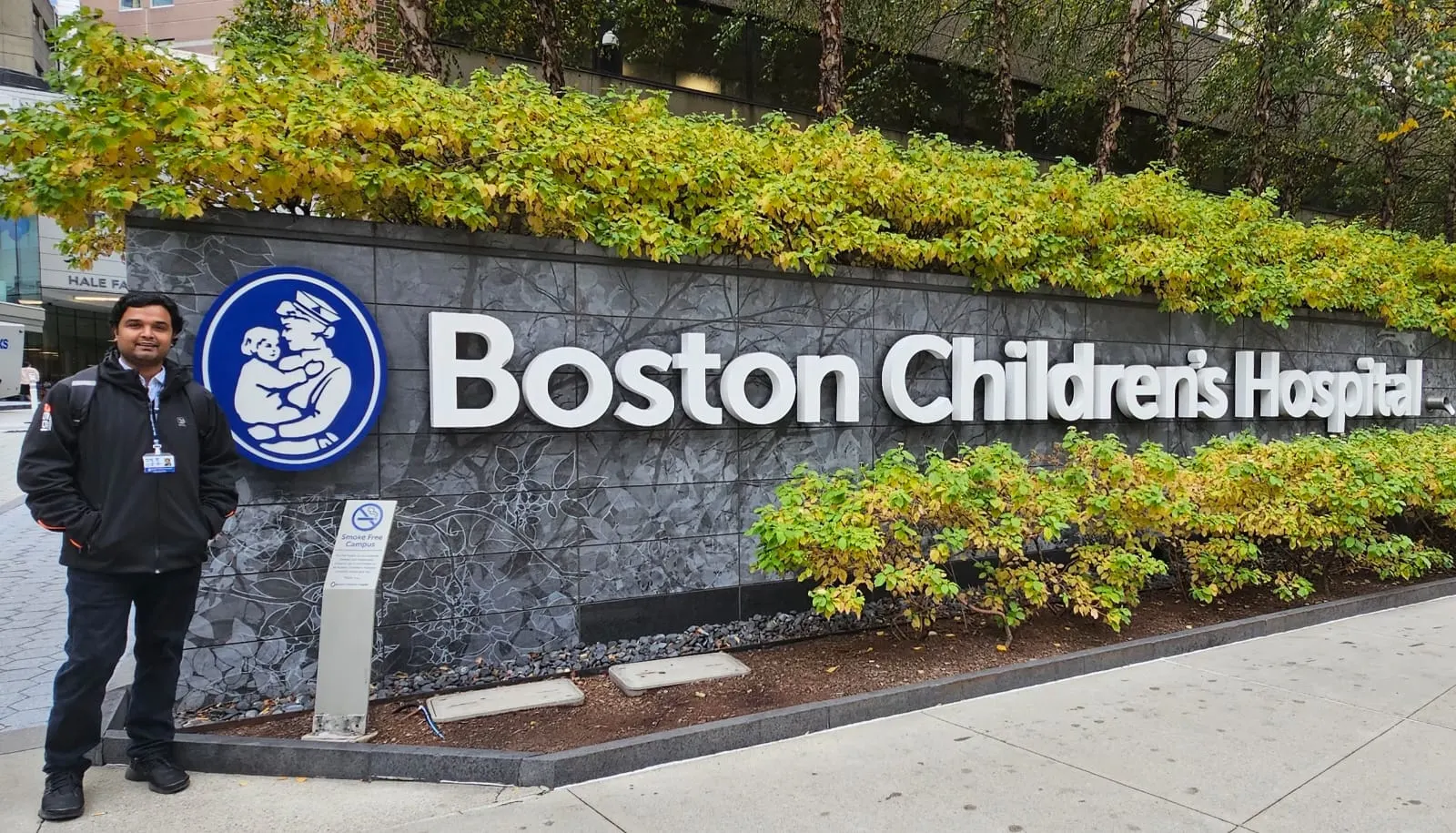
“Here, I gained experience in dealing with most complex vascular interventions like aneurysm coiling, carotid stenting and AVM embolisation,” he says. Further training at Boston Children’s Hospital in the US deepened his expertise in paediatric neuro-interventions, alongside active involvement in research.
Breaking new ground beyond metros
Dr Jain’s impact extends beyond major cities. During his time in Agra and Haldwani, he introduced procedures that were previously limited to metropolitan hospitals. He performed Agra’s first endovascular coiling of an aneurysm and carried out the first carotid stenting procedure in Haldwani, bringing advanced, life-saving interventions closer to patients.
“These kind of services were available only in metropolitan cities,” he notes. This ability to bridge the urban-rural healthcare divide continues to shape his larger vision for India.
India’s healthcare gap, and the way forward
Despite rapid advancements, Dr Jain believes India still has ground to cover in neurological care, especially in stroke management.
“Institutions like Apollo and AIIMS are utilizing the same high-end technology as major centers in the US or Europe,” he says, adding that the real challenge lies elsewhere. “Scaling this level of care to rural regions and integrating long-term, multidisciplinary recovery programs are the next major hurdles for India.” He points to gaps in access, fragmented referral systems, and limited rehabilitation infrastructure as key areas that need urgent attention.
The road ahead
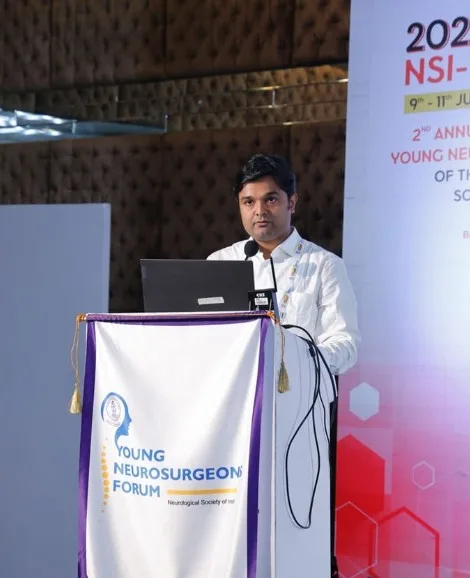
Looking forward, Dr Jain is focused on pushing the boundaries of minimally invasive neuro-intervention in India, reducing surgical trauma even further while improving patient outcomes. Equally important to him is mentorship. As a member of the Neurological Society of India, he is committed to training the next generation of neurosurgeons to meet global standards.
Beyond the operating room
Away from the high-pressure environment of surgery, Dr Jain is deeply invested in continuous learning and self-discipline. “I spend much of my time keeping up with neuro-technological advancements,” he says.
He also prioritises physical fitness and mental focus as these are the qualities that he considers essential for the precision neurosurgery demands.
- Follow Dr Ankit Jain on LinkedIn
ALSO READ: Dr Vijay Anand Reddy: The oncologist who set aside a future abroad to uplift cancer care in India
Share with



Written By: Vikram Sharma
Dr Kasu Prasad Reddy: From a distinguished UK career to a homecoming that restored sight to millions

Written By: Vikram Sharma