


(December 23, 2025) Anand Morwani’s relationship with food has never been confined to a single geography or tradition. It has been shaped in transit, between family homes in India where meals were deliberate and generous, European classrooms that emphasised discipline and structure, and professional kitchens where ideas were tested, refined, and rebuilt. What emerged from this movement was a way of thinking that treats food as craft, culture, and enterprise in equal measure. From breweries and pizzerias to a contemporary interpretation of Japanese cuisine at his Mumbai-based restaurant Gaijin, his career has unfolded across formats. The chef approaches cooking as an art that acknowledges tradition while allowing space for reinterpretation.
View this post on Instagram
A chef who grew up in a family of doctors
Morwani grew up in India, born into a family of doctors who were also passionate food lovers. They worked hard and played hard. “My parents loved to travel, eat well, and immerse themselves in different cultures. From a young age, I was exposed to global influences through both travel and food. Our house was always lively; my parents were very social and frequently entertained guests. I think this quietly shaped my worldview and helped develop my palate early on,” he reminisces. Studying internationally was transformative for him. He completed his diploma and bachelor’s degree in hospitality management at Les Roches, Switzerland, followed by professional culinary training at Le Cordon Bleu, London. Living and studying overseas taught him independence, humility, cultural sensitivity, and the importance of precision. “It also reinforced a belief I hold deeply that food is a universal language, one that connects people across borders,” he remarks.
Even though Anand’s family comprises of many doctors, there was no pressure on him to be one. “My parents were always supportive of me and allowed me to chase my dreams, explore my interests and to follow what felt right,” he avers. Food was a big part of his life at home. From large, generous meals at his grandparents’ house to carefully planned menus at their own table, food was always taken seriously. “My mother and grandmother were phenomenal cooks, and food excited me in a way nothing else did. Choosing to become a chef wasn’t an act of rebellion; it was clarity. I remember telling my parents, back in the seventh standard, that I wanted to have my own restaurant someday. They never questioned it. They backed my plans from the very beginning,” he says.
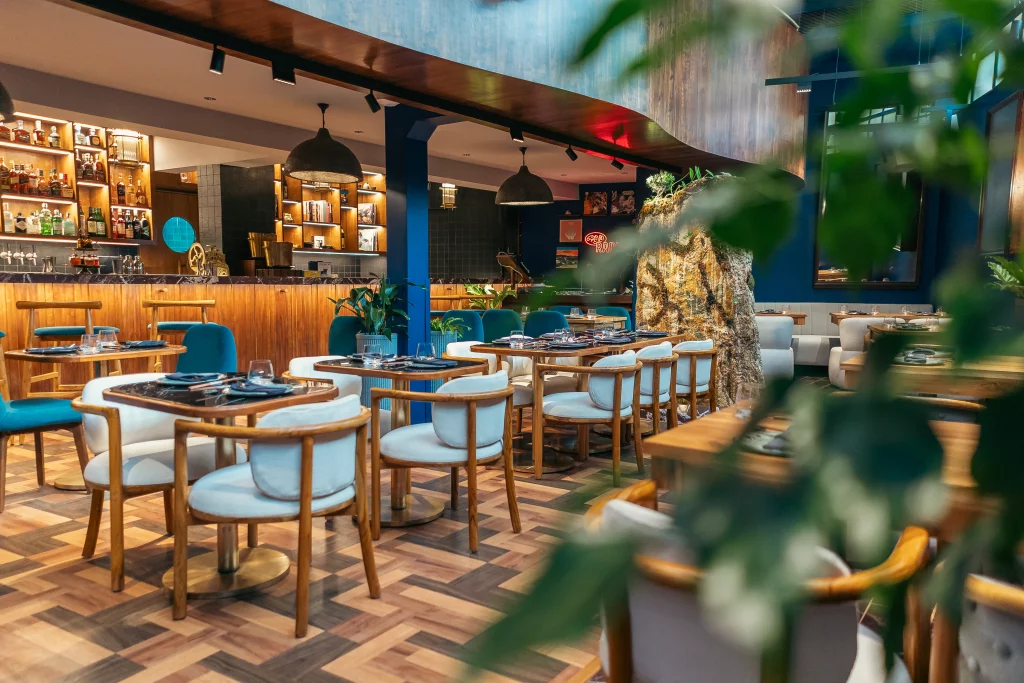
Anand’s restaurant Gaijin in Mumbai, co-founded with Karan Gaba and Rohan Mangalorkar
Milestones and impact of international education
Defining milestones of his journey include studying hospitality management abroad that taught him discipline, respect for ingredients, patience, and consistency. Co-founding Brewbot, a chain of gastropubs that brought together food, craft beverages, and a sense of community was a big turning point. “Starting Big Zest, as well as the Japanese restaurant Gaijin that I launched in 2020 with my partners Karan Gaba and Rohan Mangalorkar is another milestone. Gaijin is a concept inspired by Tokyo’s street food,” he shares. “Each phase of my journey has pushed me to evolve as a chef, entrepreneur, and leader.”
Pursuing BBA at Les Roches taught him operations, leadership, guest experience, global standards, and how hospitality really works. It pushed him to think like an entrepreneur. “It also exposed me to different cultures. I still remember that in my batch at Les Roches, there were 48 students representing 32 nationalities. That kind of environment changes how you see the world and how you work with people,” he adds. The balance between business thinking and culinary craft that he learnt at the institution, and at Le Cordon Bleu in London continues to define how he works today.
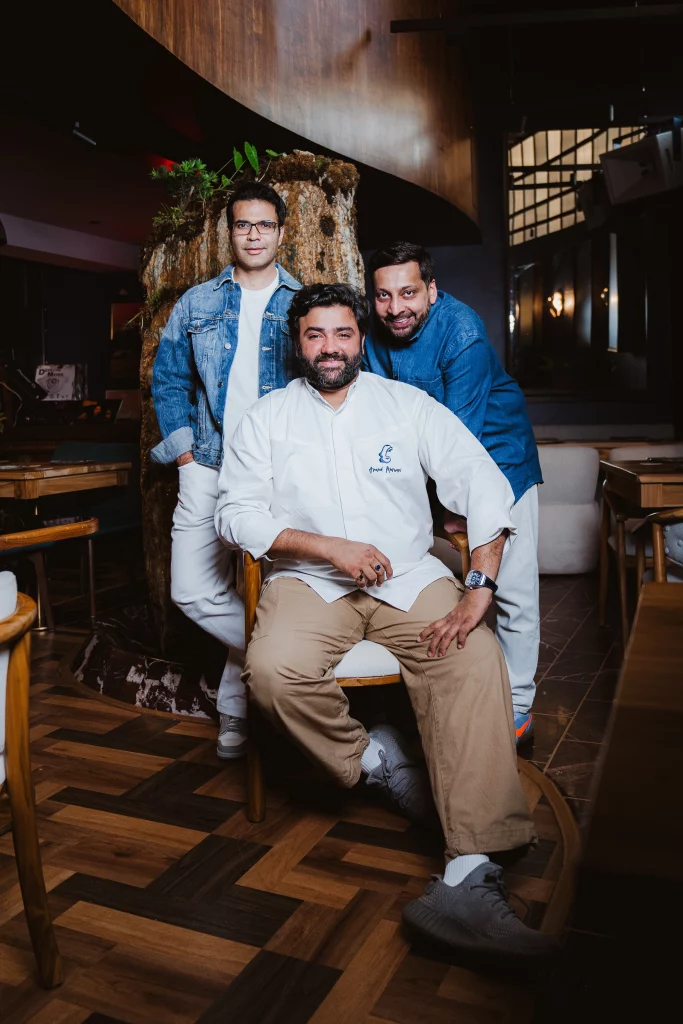
Partners at Gaijin, Karan Gaba, Chef Anand Morwani and Rohan Mangalorka
Food philosophy
Anand’s food philosophy is simple: respect the ingredient, honour the culture, and cook with intention. “I believe food should tell a story right from where it comes from, who cooked it to why it exists. I value authenticity, but I’m open to innovation when it adds meaning, not just novelty,” he says. This was his thought behind Gaijin.
“Gaijin was born out of a desire to create something fearless, and to come up with food that speaks clearly and with confidence. We wanted a space where we weren’t recreating what we had been taught but instead making original dishes and telling our own story. The food reflects my long-standing relationship with Japan and its cuisine, interpreted in our own way,” he explains. What makes Gaijin unique is that the team creates original dishes that are a contemporary take from a foreigner’s perspective. Its like an outsider looking in. “It’s about strong flavours, modern presentation, and cultural depth, but always through that lens. It’s not just about eating; it’s about experiencing food with all the senses engaged,” he adds.
Breaking stereotypes, managing expectations
Anand Morwani’s journey has had its own set of challenges. Communicating our narrative, breaking stereotypes, managing expectations, and handling the pressure of entrepreneurship have been constant challenges. “I have dealt with them through discipline, adaptability, and by surrounding myself with people who both challenge and support me. Failure has been my strongest teacher,” he remarks.
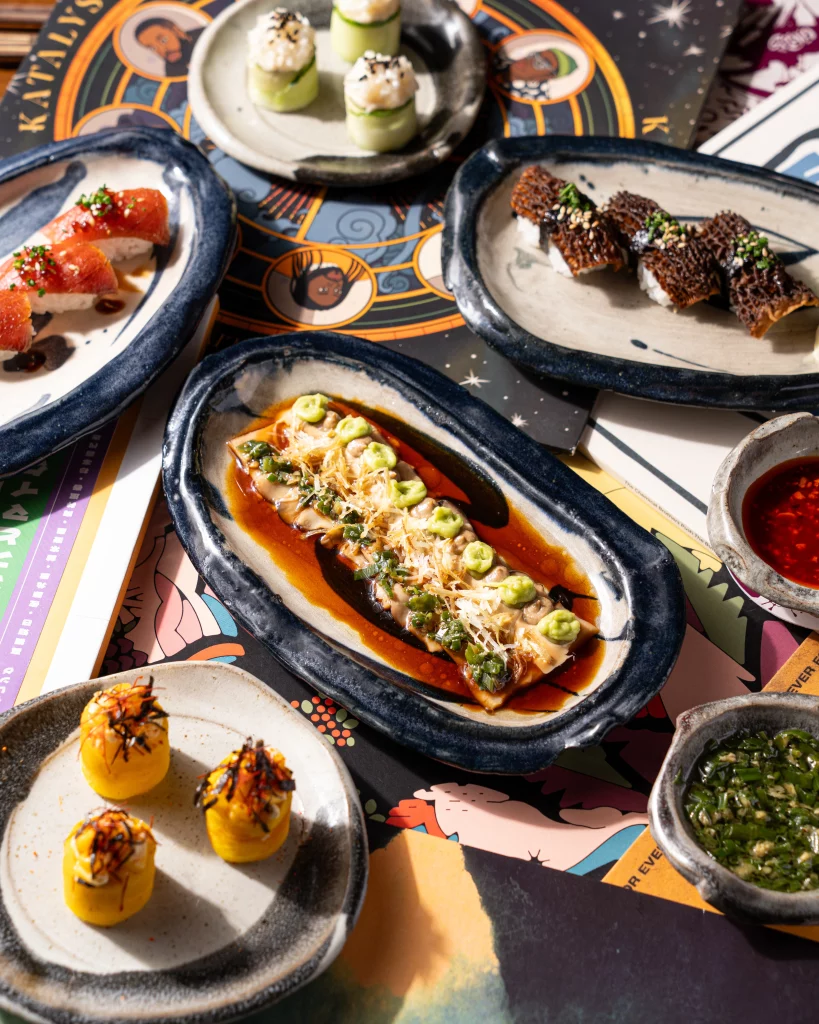
A spread at Gaijin
Inspirations of life
Anand is inspired by chefs who stay grounded despite success and by entrepreneurs who build with integrity. “I am also inspired by people who aren’t afraid to take risks or of being judged for choosing a different path to tell their story. A life lesson I live by is to master your craft first. Success is a by-product, not the goal,” he says.
Future plans
Looking ahead, the enterprising chef wants to continue building thoughtful restaurant concepts, explore global collaborations, and mentor young chefs. “My focus is on creating spaces that value culture, craftsmanship, and responsible hospitality, both in India and abroad,” he signs off.
ALSO READ: Chef Vishesh Jawarani: Blending Japan’s izakaya spirit with Goa’s unhurried susegad vibe at JSan