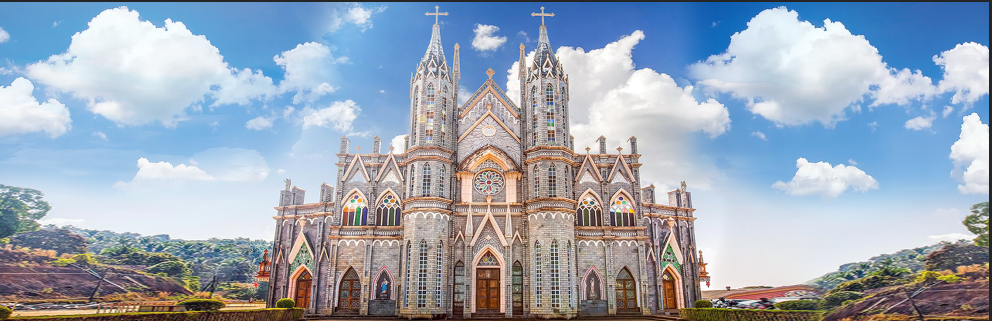


(December 25, 2025) Just like in many countries around the world, in every nook and corner of India, Christmas and New Year arrive with the unmistakable aroma of cake, rising from home ovens and professional kitchens alike, across coasts and capitals, towns and cities. This festive season marks the country’s single largest period of cake consumption. Plum cakes, the most iconic of Christmas cakes, are prepared weeks in advance, their dried fruits soaked in rum or brandy as flavours slowly mature. Across the country, ovens work overtime, and queues begin forming outside bakeries long before sunrise.
Today, India’s cake market is on a steady upward trajectory, projected to grow from $13.8 billion in 2024 to $31.5 billion by 2033, at a compound annual growth rate of more than nine percent. However, long before cake became a booming market category and a festive inevitability, its story in India began in Kerala. It took shape in a coastal town where spice winds met colonial ambition, and where; inside a modest biscuit factory, a few days before Christmas, a trader named Mambally Bapu baked what is believed to be the India’s first Christmas cake.
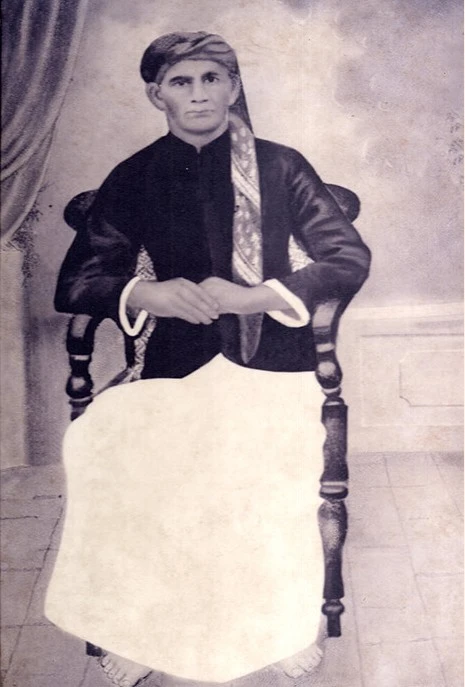
Mambally Bapu | Photo Credit: Mambally’s Royal Biscuit Factory
Tellicherry: Where history rose like dough
Set deep within the quaint, scenic, and historical town of Thalassery, once known as Tellicherry, on Kerala’s Malabar Coast, lies the origin of one of India’s most enduring culinary legacies.
The strategic port town, Tellicherry rose to prominence during the colonial era as a thriving hub of trade and culture. Dutch, British, Portuguese, Chinese, Arab, and Jewish merchants docked here in search of spices, textiles, and exotic treasures. Europeans fondly called it “The Paris of Kerala”, and it was here that the British East India Company established its first trading post on the Malabar Coast.
Beyond trade and treaties, Tellicherry influenced everyday Indian life through education, cricket, circus, and, most memorably, cake. In time, the town came to be affectionately known as the Land of the Three C’s—Cakes, Cricket, and Circus. At the centre of this sweet legacy was trader Mambally Bapu, guided by vision, courage, and an oven.
One of India’s first bakeries
In 1880, the well-travelled trader Mambally Bapu returned to Tellicherry with business ambition. Having mastered the art of biscuit-making in Burma, he opened Mambally’s Royal Biscuit Factory, producing over 40 varieties of biscuits, rusks, breads, and buns.
At a time when baking was largely a European preserve, Bapu’s factory welcomed locals and foreigners alike. It soon became one of the only two prominent bakeries in India, the other being in West Bengal and catering exclusively to the British.
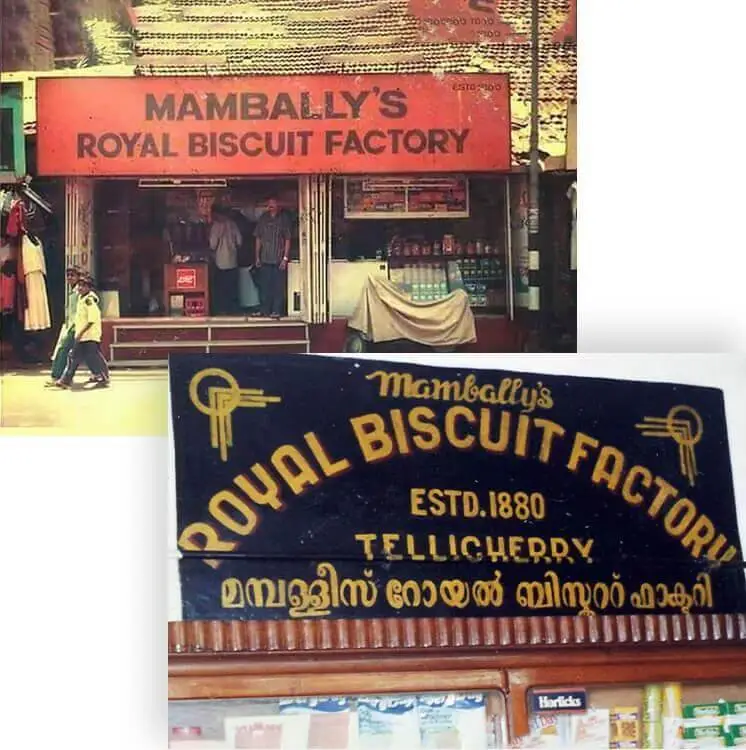
Photo Credit : Mambally’s Royal Biscuit Factory
The Christmas of 1883 that changed Indian baking
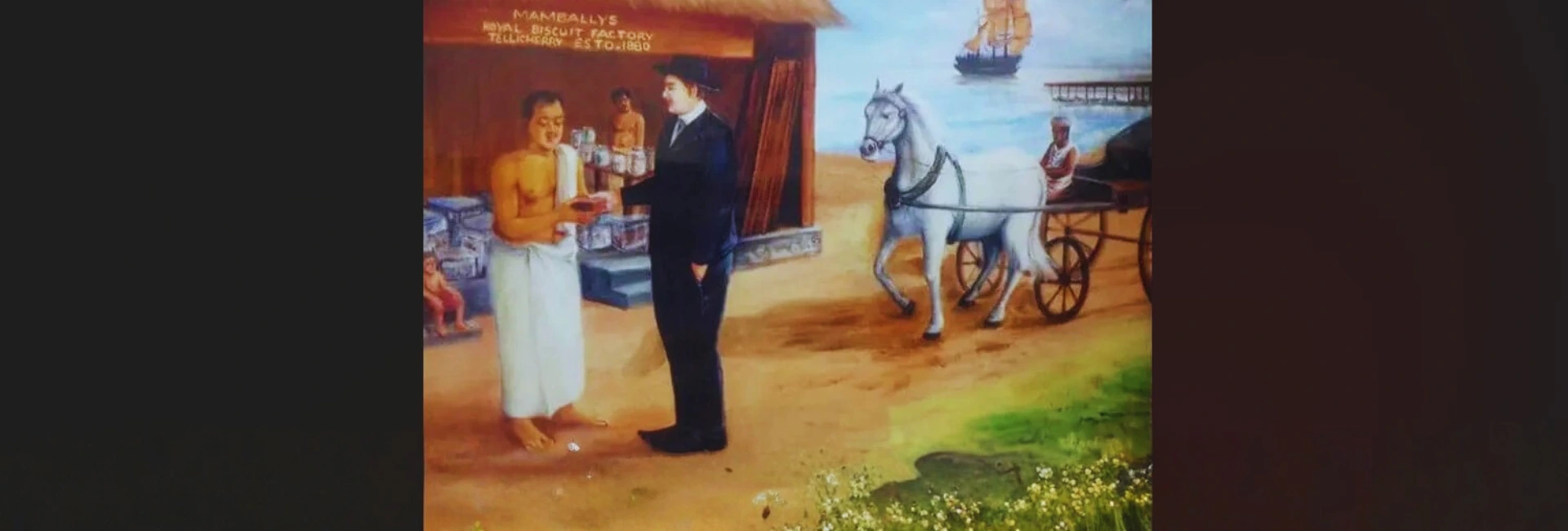
Just days before Christmas of 1883, Murdoch Brown, a British planter and owner of the sprawling Anjarakkandy cinnamon plantation, which was the largest in Asia, walked into the Royal Biscuit Factory carrying a plum cake all the way from England. He asked Bapu a simple question: Could you recreate this? Brown explained the fundamentals of cake-making and handed over ingredients like dates, raisins, and a suggestion to add French brandy from Mayyazhi (now Mahe).
Bapu accepted the challenge but not without imagination. He commissioned a local blacksmith in Dharmadam to craft a custom cake mould. He sourced the finest spices from across the Malabar Coast. And then, with confidence, he infused the cake with Kerala’s soul, adding arak, a native alcohol distilled from cashew apples, and kadalipazham, a local banana variety.
On December 20, 1883, Bapu presented the cake to the British planter. Murdoch Brown tasted it, paused, and pronounced it “Excellent,” ranking it among the finest cakes he had ever eaten. He ordered a dozen more on the spot. India’s first documented cake was born. And with it, a Christmas tradition that would outlive empires.
View this post on Instagram
From one cake to a nation’s sweetheart
The plum cake soon became the centrepiece of Christmas celebrations across India, especially in Kerala, Goa, and Anglo-Indian households. Dense with dried fruits, nuts, spices, and rum-soaked warmth, it became synonymous with the season.
Back in Tellicherry, business flourished. So great was the reputation of Mambally’s Royal Biscuit Factory that the Maharaja of Cochin sent a vehicle daily to collect baked goods. Mambally’s biscuits travelled with Indian troops to Egypt, Africa, and the Middle East during both World Wars.
Under Mambally Gopalan, Bapu’s nephew, the legacy expanded. Successive generations trained under him and went on to establish iconic bakeries across Kerala and beyond like Santha Bakery, Bestotel, Modern Bakery, Cochin Bakery (13 stores across Kerala and Karnataka), Brownnies, and more. Their patrons ranged from the common man to Lord Mountbatten, Field Marshal Cariappa, and the King of Cochin himself.
More than baking: A family of passion
For the Mambally family, baking has never merely been a livelihood. It has been a pursuit of perfection and carrying the legacy forward. Even years ago ingredients were sourced globally such as flavours from Japan, and dry fruits from Bombay. Everything was baked slowly in wood-fired ovens, creating a depth of flavour still instantly recognisable today.
That same passion spilled into cricket. P.M. Raghavan, from the third generation, became the first captain of the Kerala cricket team. Over time, the family produced six Ranji Trophy cricketers, adding another ‘C’ to Tellicherry’s identity.
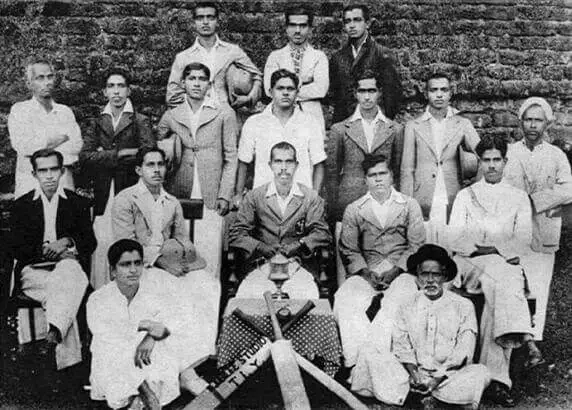
Mambally family’s PM Narayanan (standing fourth from left in the second row) along with the Tellicherry Cricket Team | Photo Credit: Mambally’s Royal Biscuit Factory
The evergreen plum cake
Over generations, the family created desserts that are now staples across India from barley, cashew, masala, fruit, jam and tea biscuits, butter beans, Japanese cake, tea rusks, and the globally celebrated Ghee Cake, which has earned honours like the Indo-Arab Award from the Dubai Government and The Star of Asia Award in Sri Lanka.
Yet, it is the Christmas Plum Cake, dark, fragrant, timeless that remains their most beloved legacy.
Even today, at Mambally’s Royal Biscuit Factory, recipes from the 18th century continue to be passed down through five generations. Traditional biscuit moulds, unchanged for three centuries, pure butter, no preservatives, and wood-fired ovens remain at the centre of the process.
A Christmas legacy that lives on
Every December, as plum cakes are unwrapped across India, few realise they are tasting a piece of history, born in a small coastal town, shaped by curiosity, craftsmanship, and cultural exchange. Amar Chitra Katha came up with a comic on the iconic story of the first Indian Christmas cake.
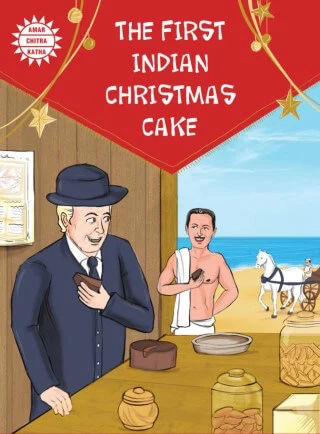
Amar Chitra Katha comic cover
In an age of automation and speed, the story of the Thalassery trader Mambally Bapu stands as a reminder that the finest traditions rise slowly, like dough warmed by love, patience, and fire. And hence, when India smells of cake at Christmas, the celebrations are unknowingly interwoven with the legacy of Thalassery.
- Follow Mambally’s Royal Biscuit Factory on Instagram and Facebook
- Discover more about the brand and its enduring legacy on its website