
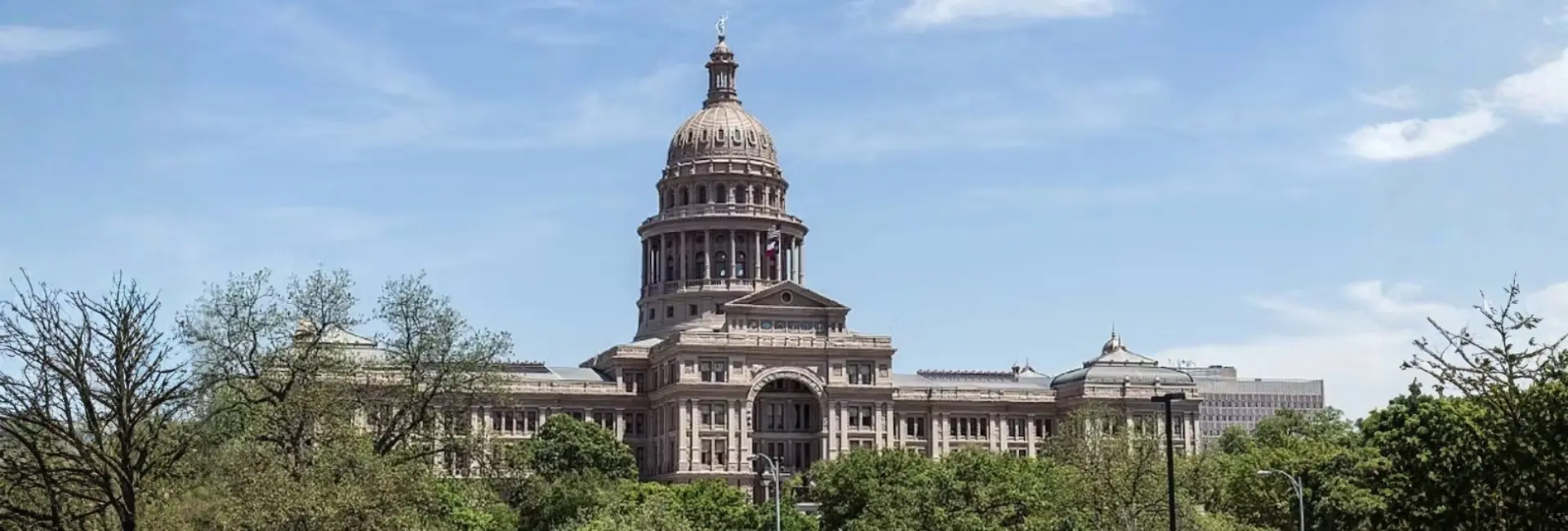


Austin, Texas, ZIP Code: 78712
Wherever Indians go, something subtle but powerful happens: competence and credibility become our soft power. I understood this most clearly in the U.S., where the Indian diaspora doesn’t assert influence – it earns it. Living in Austin made that impossible to miss.
Austin isn’t the kind of city that tries too hard. It doesn’t need to. It just exists – easygoing, slightly odd in the best way – and before you know it, it’s woven itself into your day-to-day life. Music spills out of places you weren’t even looking at, and food trucks stay open long after you promised yourself that you’d go home.
UT Austin fits right into that atmosphere. The university has the same quiet confidence. It’s a place that lets its work speak – its Nobel laureates, groundbreaking research labs, and the vibrant energy that comes from thousands of people genuinely trying to push boundaries. You don’t need to be told it’s prestigious; you sense it the moment you step onto the Forty Acres.
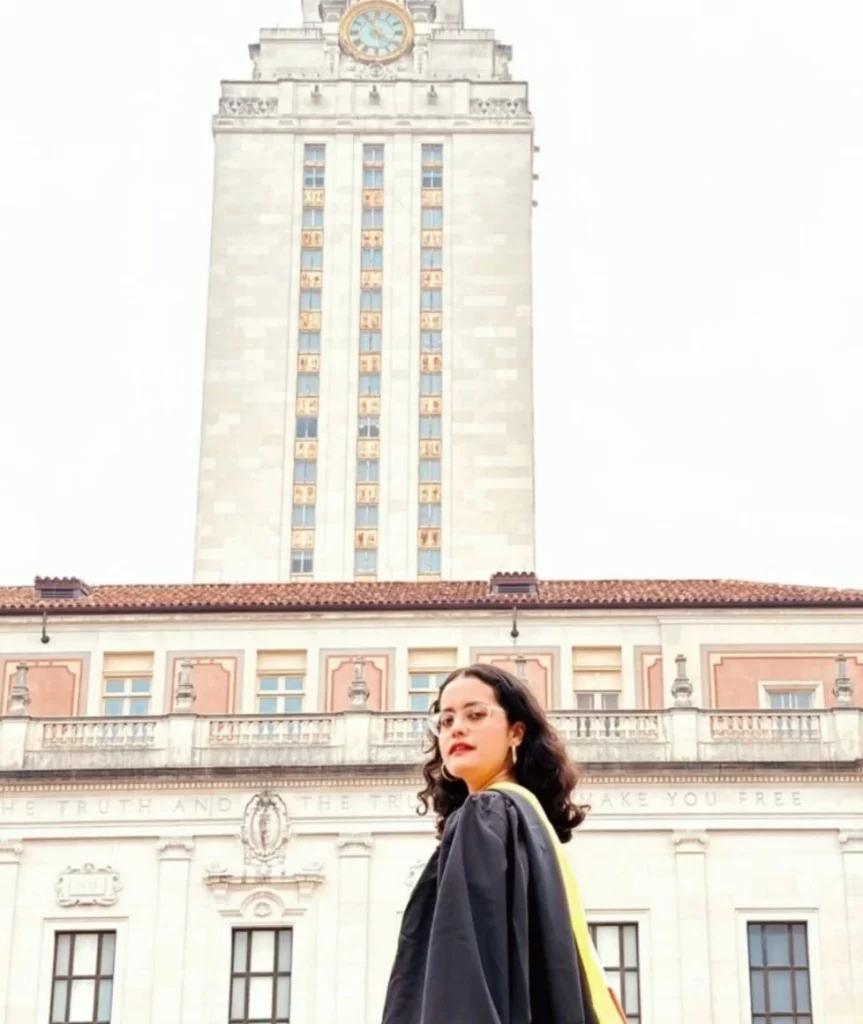
Tanya Vashishth on her convocation day in front of the iconic UT Tower
When I started my Master’s here, I expected a strong academic environment; after all, UT has a global reputation for a reason. And that reputation isn’t just something you read about; you sense it in the way people think and build ideas together.
What stayed with me was the feeling of being around people who genuinely cared about the work they were doing. Conversations rarely stayed on the surface. They drifted naturally into research that stretched far beyond the classroom. It created an atmosphere where contributing felt like a shared curiosity. For a university known for its global impact, the environment felt welcoming, not intimidating. It had a way of grounding you. It felt right.
The day Austin felt like home
I’ve seen cities that greet you with noise, like New York and California. I love them, but they demand your attention. Texas is different. People here don’t need to “welcome” you. They simply act like you already belong.
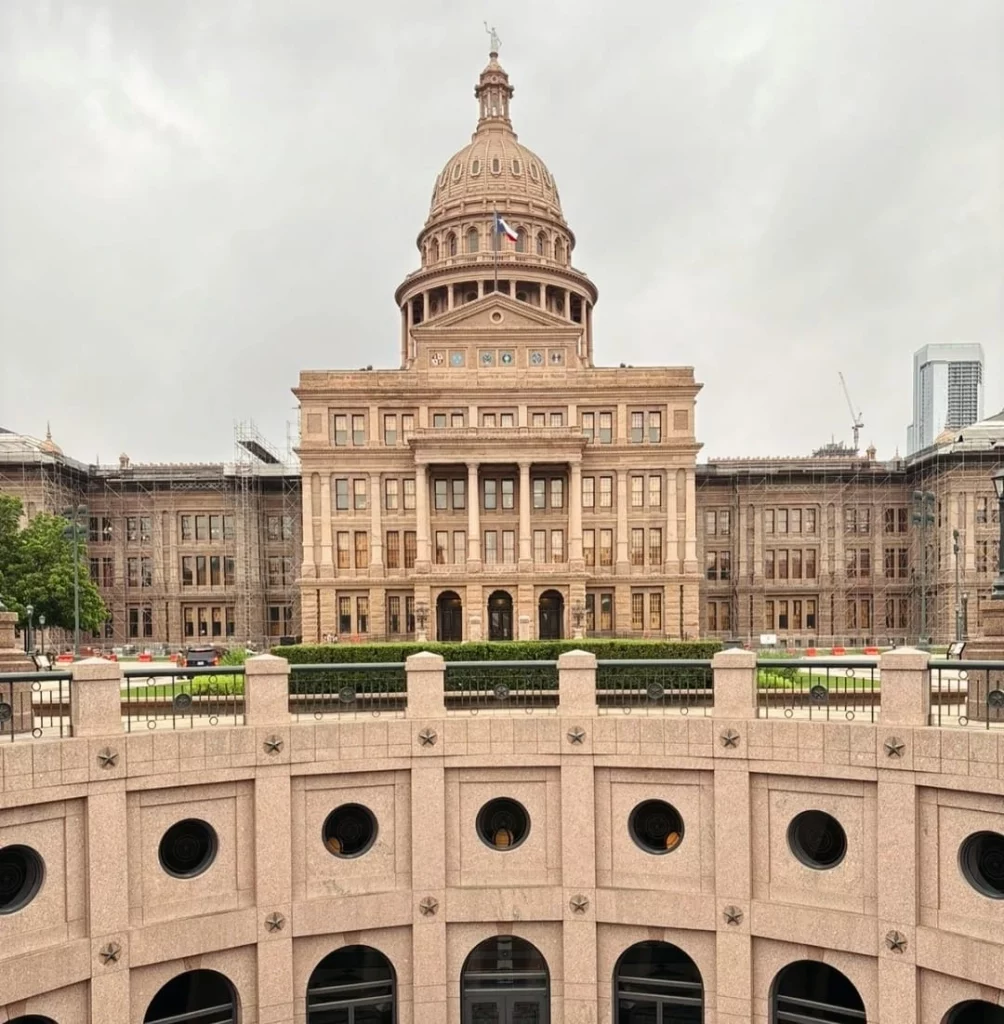
Texas State Capitol Building in Austin
Texans have this effortless warmth – the kind where someone at the grocery checkout asks, “How’s your day going?” and actually waits for your answer. Not out of politeness, but because that’s just how people are wired here.
In my first week, I was wandering around campus trying to find the right building for an event. Google Maps insisted it was “right here,” except “right here” was a tree. Clearly, technology wasn’t ready for UT’s layout. A local Austin student noticed me and, without hesitation, walked me all the way to the correct building, even though it was in the opposite direction of where she was headed. And that was the first moment the campus felt less like a university and more like a community. It was the moment Austin quietly whispered, ‘You’ll be fine here’.
My Austin: The places that became mine
Austin isn’t a city you “explore” once and check off. It reveals itself slowly. Weekend mornings usually began at Mozart’s Coffee – Laptop open, lake in the background, a mix of noise and calm that somehow helped me focus. Evenings were for walking along Lady Bird Lake, or renting a canoe and wobbling out onto the water pretending not to be scared of tipping over. Zilker Park taught me the American tradition of lying on grass, doing absolutely nothing, and still calling it a plan.

Zilker Park, Austin
Always, somewhere in the backdrop, the UT Tower stood like a quiet compass – glowing on game nights, shining on ordinary evenings, and somehow making the whole campus feel anchored. No matter where you walked, catching a glimpse of it felt like a small reminder: you’re part of this place now.
The Perry-Castañeda Library (PCL) became a second home during deadlines – a place where silence wasn’t quiet; it buzzed with stress and caffeine. The turtle pond near the UT Tower was a soft little escape in the middle of chaos, a reminder that even on heavy days, the campus had some peace waiting. And then there’s the weather. Austin summers don’t just test your patience – they test your will to step outside. Sunscreen becomes survival gear, and even a short walk can feel like a small adventure in endurance. Winter can be just as tricky; you leave home in a jumper, only to be sweating by noon as the sun decides to remind you it’s still Texas.
Food trucks, live music, sudden festivals, and a citywide devotion to breakfast tacos – Austin has a rhythm that sneaks up on you. Slowly, without making a big announcement, the city grows on you. It teaches you to laugh at the heat and to find joy in simple routines. And the biggest lesson of all? If you can survive a Texas summer with grace, everything else feels doable.

Turtle Pond inside the UT Austin campus
Understanding why the Indian diaspora matters through lived experience
Living in Austin made me notice something deeper. No matter where you went on campus, you could spot the unmistakable presence of Indian students and researchers. Watching this up close made me reflect on a larger truth: the Indian diaspora has built a credibility abroad that cannot be manufactured, only earned.
Working in AI research labs at UT Austin I observed that the environment was diverse, yet it was striking how often Indian students were trusted with outsourced projects. This was not a matter of preference; it was a matter of credibility earned through steady performance and technical clarity. Many of us spent late evenings staying back after hours to take the work well beyond what was expected.
This made me realize that the world trusts Indians not by chance, but because generations before us have proved through work, discipline, and depth that we always deliver.
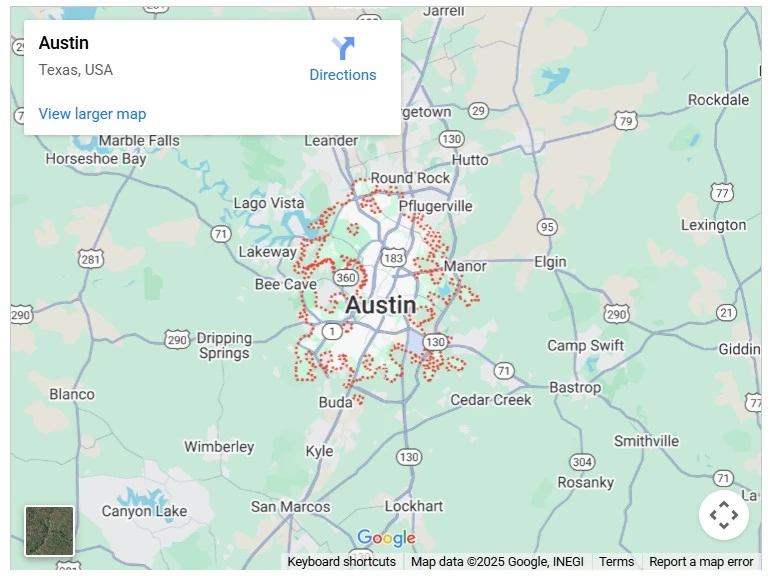
- Check out more neighbourhood stories on Global Indian