
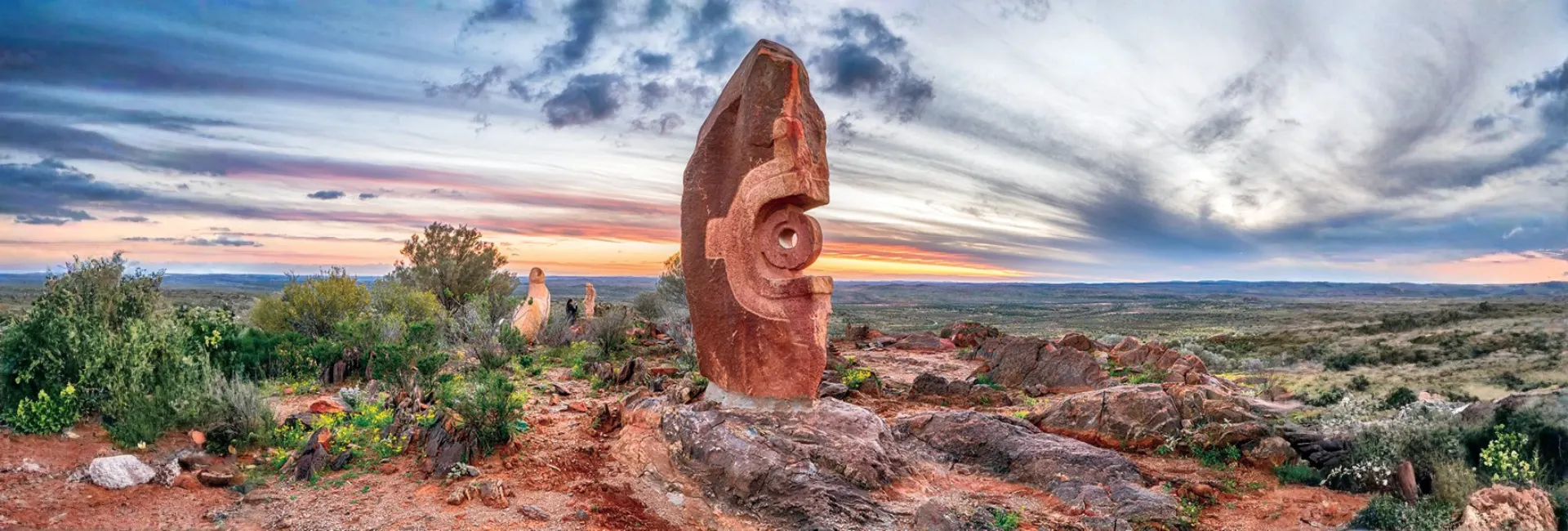


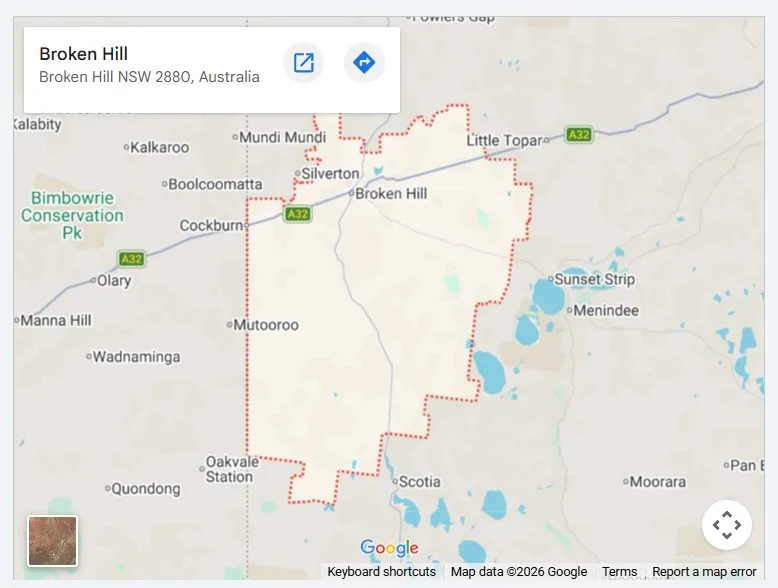
roken Hill, New South Wales, Australia, ZIP Code: 2880
Three years ago, I packed two suitcases, said goodbye to my parents at Biju Patnaik International Airport in Bhubaneswar, and boarded a flight that would take me to the other side of the world. I was moving to Broken Hill for a mining engineering contract — a two-year posting that my colleagues back home thought was either very brave or quietly insane. I had studied at CET Bhubaneswar, done my early fieldwork in the iron ore and coal belts of Odisha, and assumed Australia meant Sydney or Melbourne. It did not. It meant Broken Hill, proudly nicknamed the Silver City for the vast silver, lead, and zinc deposits that built it from nothing in 1883. Its a remote outback town closer to Adelaide than to Sydney, and Australia’s first heritage listed city.
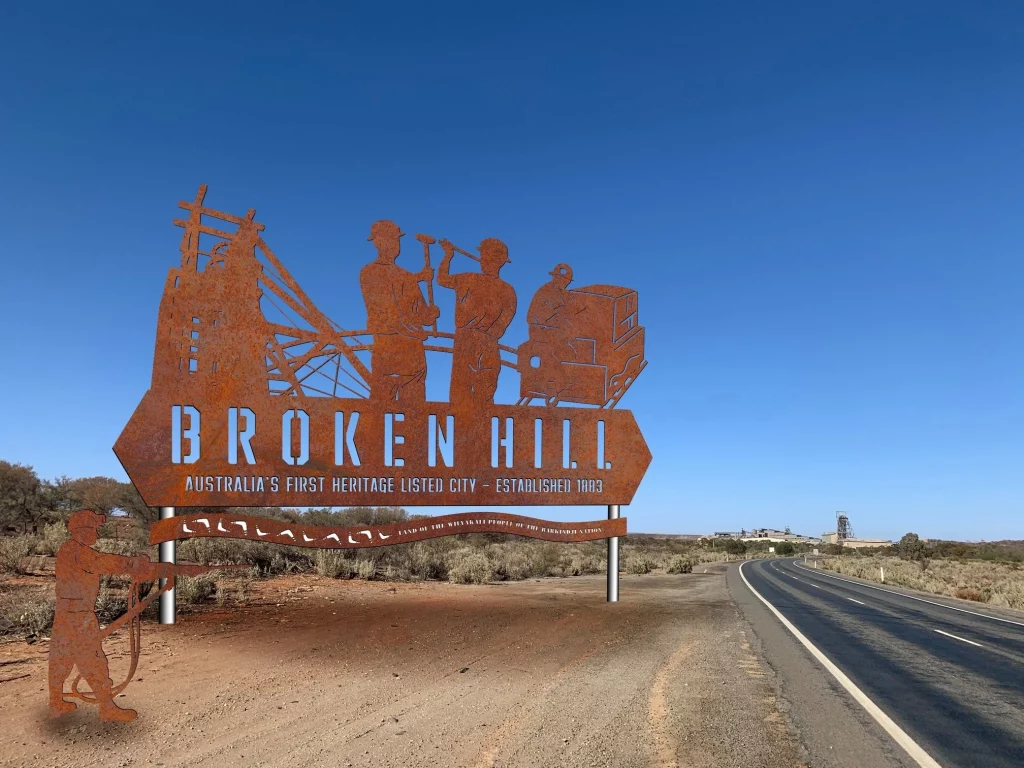
A town against all odds
Broken Hill sits in the far west of New South Wales, closer to Adelaide than to Sydney, surrounded by red earth that stretches flat to every horizon. The town was built on silver, lead, and zinc — minerals that made fortunes and built a stubbornness into the place you can still feel walking its wide streets. Federation-era pubs. Corrugated iron buildings from the 1880s. A water tower that looms over everything like a landmark from another century.
Coming from Bhubaneswar — a city growing fast on the energy of its IT corridors and ancient temple town roots, the stillness here was almost physical. Streets empty by nine. No street food stalls, no festival crowds, no constant hum of a city always becoming something new. Just wind, and the occasional road train passing through on its way further west. On my first clear night I stood outside for twenty minutes staring at more stars than I had seen in my entire life.
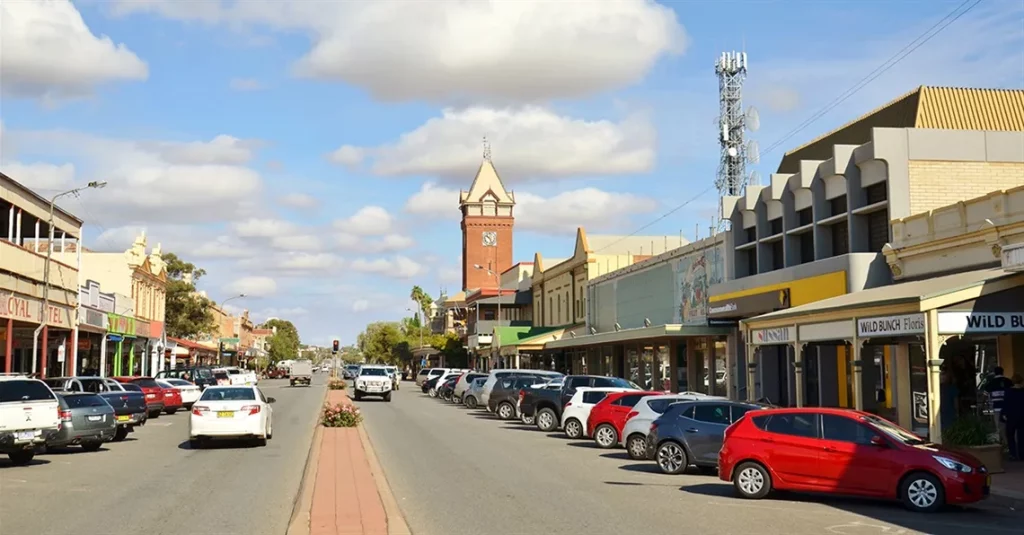
From hustle to stillness
Back in Bhubaneswar, I had lived at a pace I mistook for simply the pace of living. Long hours at site, weekends consumed by work and family obligations, always moving. Broken Hill brought me to a stop. Offices close at five and mean it. Colleagues knocked off work and went fishing at Menindee Lakes or simply sat on their verandahs watching the evening come in.
I started cooking properly for the first time — slow Sunday meals instead of rushed weeknight dal. I picked up watercolour painting after visiting the Pro Hart Gallery and feeling genuinely moved by something for the first time in years. I started sleeping eight hours.
Finding a piece of India in the outback
There is a small Indian community in Broken Hill — engineers, nurses, doctors drawn by rural incentives. We found each other quickly through a WhatsApp group that filled immediately with tips about curry leaves and whether the grocery on Oxide Street had restocked its rice flour and mustard oil — essentials for any Odia kitchen far from home.
Raja Parba was the hardest. Back in Bhubaneswar it is three days of colour, swings, and elaborate pitha-making — the whole city softens into celebration. Here, a few of us gathered at someone’s house, made arisa pitha as best we could with what we had, and called our mothers on video so they could watch us eat. It was both nothing like home and somehow enough. Those evenings held me through the harder months when homesickness arrived not as dramatic grief but as a quiet ache, usually on Sunday mornings when I knew my mother was making dalma and pakhala back in Bhubaneswar.
I also made friends far outside the Indian circle — people whose families had worked these mines for generations, who knew the land with an intimacy that humbled me. One took me to Mutawintji National Park — ancient Aboriginal rock engravings, ghost gums, silence so deep it felt sacred, and I understood I was somewhere genuinely old and extraordinary.
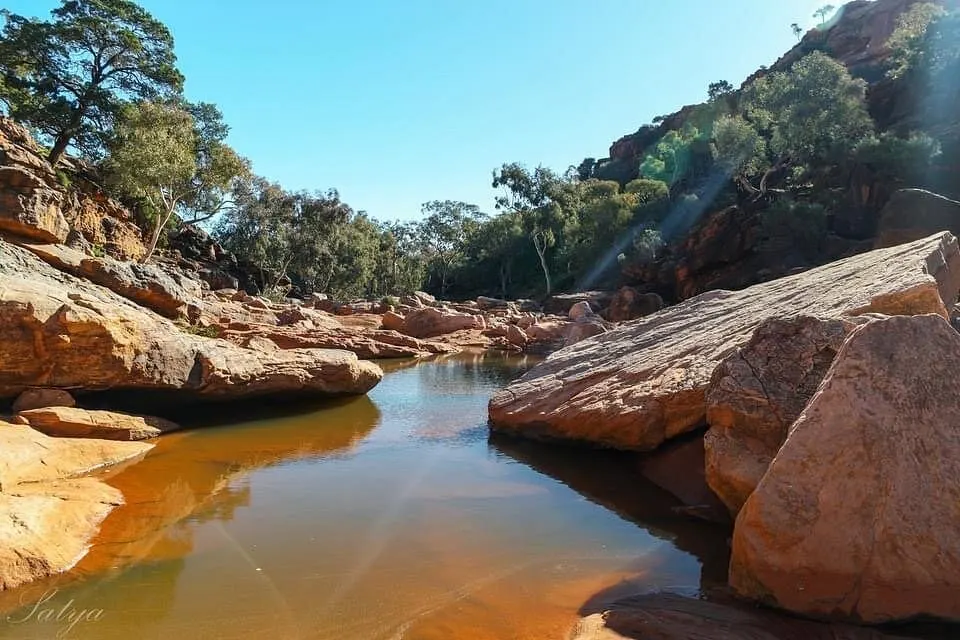
Mutawintji National Park
The first summer
Growing up in Bhubaneswar means knowing heat — the coastal humidity of an Odisha summer is its own particular punishment. But Broken Hill in January is a different creature entirely. Past forty-five degrees, dry as bone, earth cracking along seams that look deliberate. Dust storms rolled in from the west as slow orange walls, turning the sky the colour of a tandoor. Yet the sunsets lasted an hour and ran through every shade between saffron and deep violet.
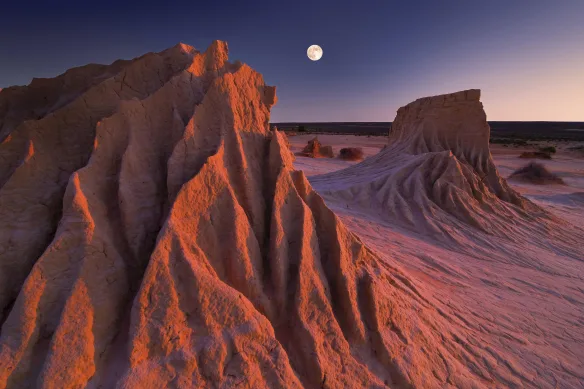
Summer also meant driving. Mungo National Park in Victoria — a long, hypnotic journey into a landscape where Australia’s oldest human remains were found buried in dunes beside a lake that dried up forty thousand years ago. That kind of scale makes your own timeline feel small and precious.
Home, redefined
I came on a two-year contract. But I have renewed it a few months back. Broken Hill strips away the performance of busyness. There is nowhere to rush and nothing to prove, and after a while that stops being uncomfortable and becomes clarifying. I know myself better here.
I still call my parents every Sunday and we speak in Odia for an hour. I still make my mother’s pitha recipe on special occasions in a kitchen that looks out over red earth. And most evenings, standing outside with chai as the sun turns the outback gold, I think that I wouldn’t trade this for anything.
- Check out more neighbourhood stories on Global Indian