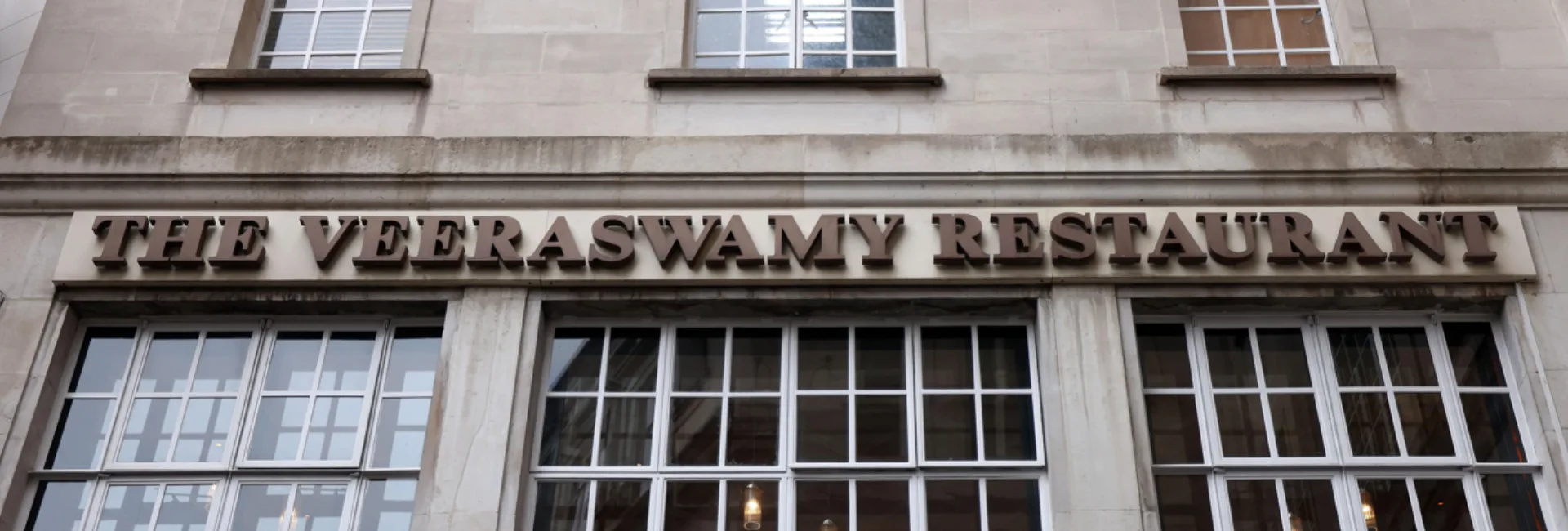


(February 8, 2026) Like most Indian-origin Londoners, Lord Rami Ranger and Vijay Goel were regulars at Veeraswamy — Britain’s oldest Indian restaurant, approaching its 100th year in April 2026 and a Michelin-starred institution since 2016. Located on Regent Street, London, Veeraswamy has long been synonymous with grandeur and refinement. The two prominent NRIs, along with their families and friends, have often savoured dishes inspired by India’s historic royal kitchens, including Hyderabadi, Mughal and Patiala delicacies, richly flavoured with aromatics.
Over the decades, the restaurant’s intricately decorated interiors and formal dining style helped position Indian cuisine as something that could sit comfortably alongside European fine dining. Veeraswamy’s dining rooms became known not just for their curries, but for their sense of occasion, attracting diplomats, politicians, visiting dignitaries and generations of loyal regulars.
But lately, the owners of the iconic restaurant, its staff, patrons and regular Londoners have found it difficult to digest news of Veeraswamy’s uncertain future. The situation stems from a dispute with its landlord, the Crown Estate, which owns the Regent Street building where the restaurant is located.
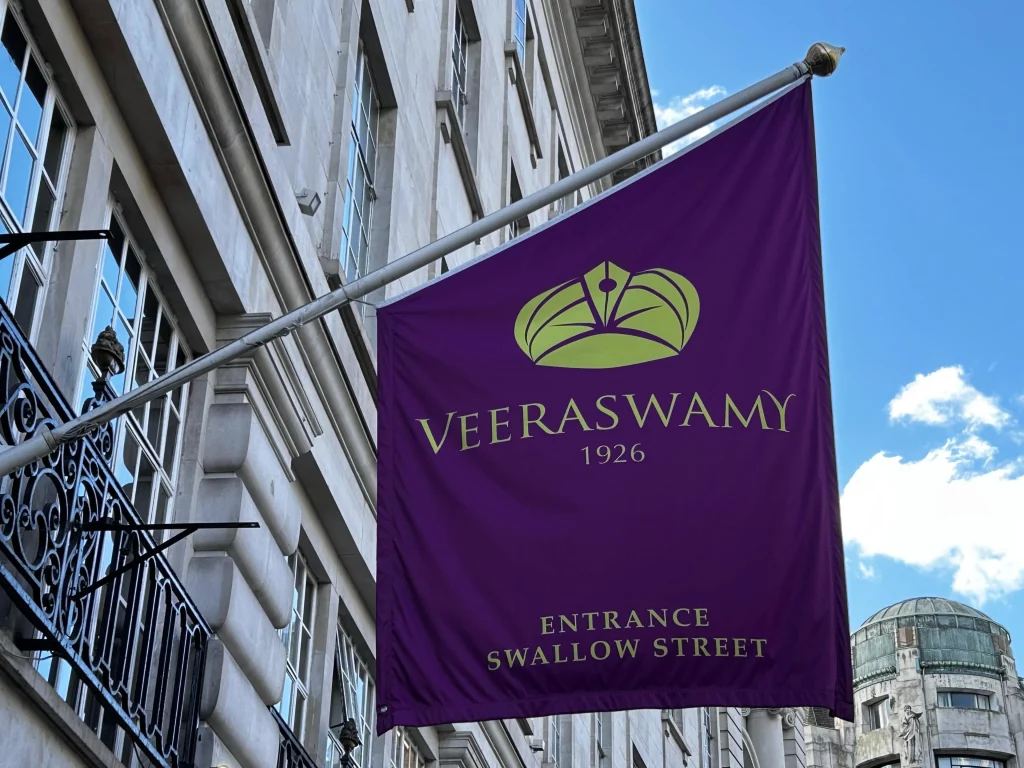
Image Credit: BBC
The restaurant’s lease with the Crown Estate — the property portfolio owned by King Charles III and managed independently — expired in June 2025. The Crown Estate has said it will not renew the lease as it plans a significant refurbishment of Victory House. This has been challenged by Veeraswamy’s owners, who argue that the proposed redevelopment would effectively end a historic business.
The matter has even led to a petition calling on King Charles III and the Crown Estate to reconsider the decision. It has gathered tens of thousands of signatures, with supporters arguing that Veeraswamy is a “living piece of shared cultural history” that deserves protection.
A culinary landmark
“Veeraswamy isn’t just an old restaurant; it’s a cultural and culinary landmark in the UK,” says Lord Rami Ranger, one of the UK’s leading British-Indian businessmen and Conservative politicians, in a chat with Global Indian.
He says Veeraswamy introduced Indian fine dining to Britain and has entertained generations of diners since the 1920s. “I have dined at the iconic restaurant several times. It’s in the heart of London overlooking Regent Street. The ambience brings back memories of the British Raj, and the food is mouth-watering,” says Lord Ranger, highlighting that Veeraswamy has welcomed notable figures, including politicians, royals and cultural icons, over many decades.
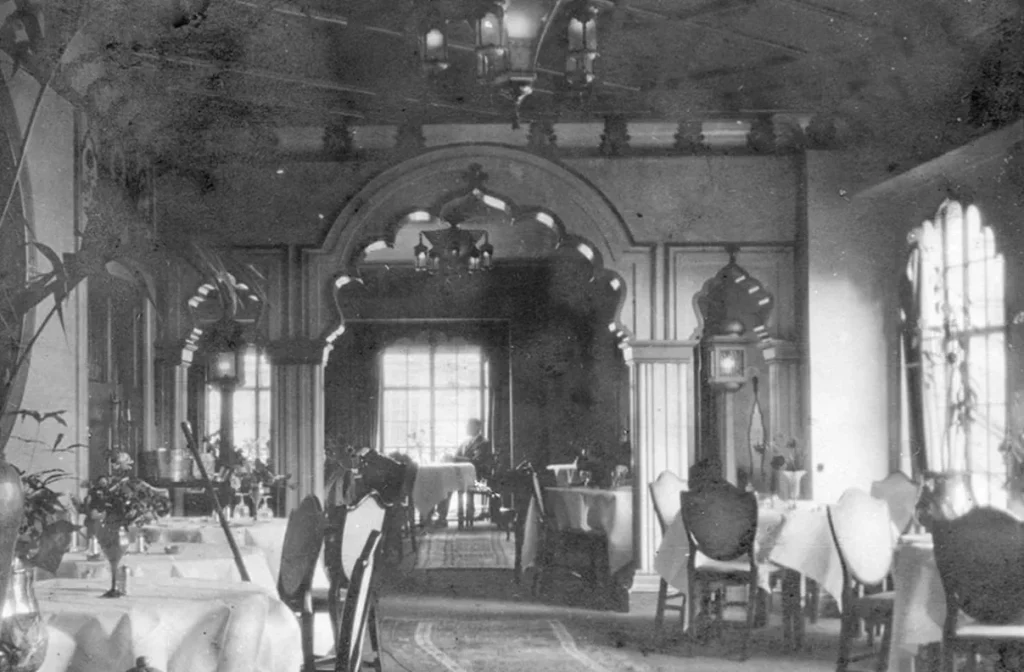
Image Credit : The Veeraswamy Restaurant
Hope hinges on the courts
Stating that the restaurant’s owners — Ranjit Mathrani and Namita Panjabi have taken legal action to secure an extension of the lease or protect the restaurant’s rights while a hearing proceeds, Lord Ranger says the case is expected to be heard in 2026. The restaurant’s future, he adds, largely depends on the outcome of the court process and whether negotiations with the Crown Estate lead to a compromise.
“If no agreement is reached, Veeraswamy could be forced to close at its current site, just months short of its 100th anniversary in April 2026. We hope good sense will prevail and that an iconic Indian restaurant will remain at its original place,” says the businessman-politician.
‘Incompatible’ with redevelopment plans
According to Lord Ranger, the Crown Estate plans a significant refurbishment of Victory House. “This Grade II-listed building houses Veeraswamy, which the Crown Estate says is incompatible with the restaurant remaining in its current location.”
He explains that part of the plan involves expanding office reception space and altering the entrance in ways that would make the restaurant inaccessible — changes the landlord claims are not feasible.
Nearly a century on Regent Street
Founded in 1926, Veeraswamy has occupied the same corner of Regent Street for almost 100 years. Established by Edward Palmer, a former Anglo-Indian army officer, the restaurant was conceived as a refined introduction to Indian cuisine for British diners at a time when such food was still unfamiliar to most of London.
In more recent years, its reputation was reinforced when it received a Michelin star in 2016, underlining its continued relevance in a crowded and competitive dining scene. It remains celebrated for its enduring place in London’s dining history.
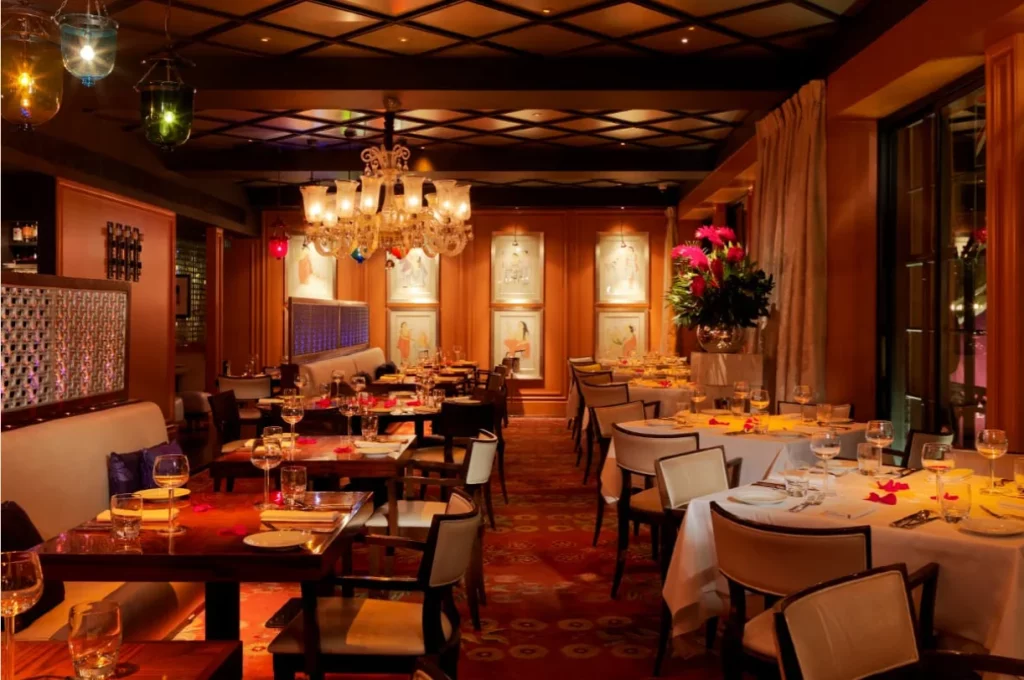
Image Credit: The Veeraswamy Restaurant
From lease dispute to national campaign
The uncertain future of Veeraswamy has triggered a campaign that has drawn thousands of signatures and widespread media coverage, turning what began as a commercial lease dispute into a national conversation. Supporters argue that Veeraswamy is not just another restaurant on London’s most famous shopping street, but a cultural institution worth preserving.
In the online petition, the owners state: “The Crown Estate, which owns the building, is seeking to reclaim the restaurant’s small ground-floor entrance — just 11 square metres, making the mezzanine-level dining room inaccessible. This would force Veeraswamy to shut down. The rationale is tied to building refurbishment, but practical alternatives exist that would allow the restaurant to remain, without hindering the wider development.”
The Regent Street equation
Regent Street is among the most valuable retail and commercial corridors in the world, and landlords face strong pressure to maximise returns through redevelopment. From that perspective, the Crown Estate argues that it must manage its portfolio responsibly and adapt buildings to modern commercial needs.
Campaigners counter that Veeraswamy represents a different kind of value — one that cannot be measured solely in rent or floor space. They describe it as a living archive of Anglo-Indian dining. In their view, removing the restaurant from its historic site would sever that story from its physical setting.
The King’s symbolic role
The King does not personally own or control the Crown Estate, nor does he have the legal authority to intervene in commercial leasing decisions. Instead, the petition appeals to the monarch’s symbolic role. As a long-time advocate for heritage, architecture and community institutions, King Charles III is seen as someone whose concern could encourage all sides to reconsider their positions.
Woven into Indo-British history
“Veeraswamy is woven into the cultural fabric of Indo-British history,” says Vijay Goel, Senior Partner at Singhania & Co. (London office), an international law firm specialising in corporate and business law, in a conversation with Global Indian.
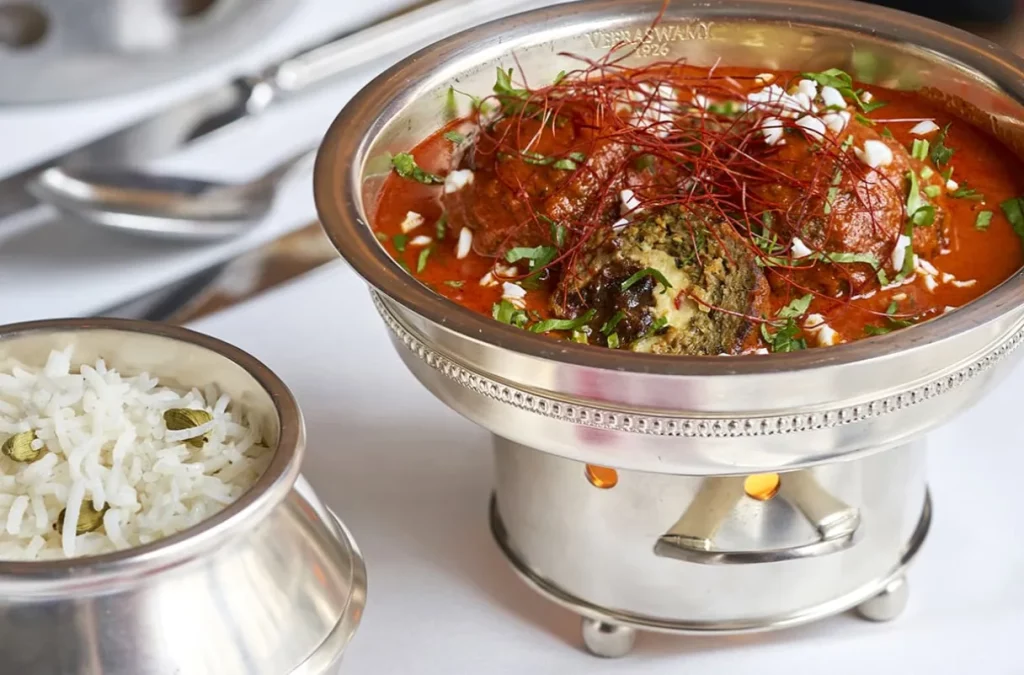
Image Credit: The Veeraswamy Restaurant
For almost a century, Goel says, it has been a place where Indian heritage was presented with dignity and confidence to Britain, long before such exchanges were commonplace.
“I have been there many times, and each visit carries a sense of continuity — generations meeting across cultures through food, conversation and shared respect,” says Goel, who is also Chairman & Founder of the Indo European Business Forum and former Chairman of ASSOCHAM UK.
An emotional loss
Goel says the thought of losing such an institution is profoundly emotional, because once spaces like this disappear, a part of collective history disappears with them.
“Preserving Veeraswamy is not nostalgia; it is an affirmation of the enduring partnership between India and the UK,” he adds.
Restaurant community rallies
Goel notes that voices from prominent members of the Indian diaspora in London — including leading chefs and cultural figures have echoed similar sentiments, describing Veeraswamy as a cornerstone of Indo-British culinary history and a rare institution that introduced Indian cuisine to Britain with both authenticity and elegance.
Prominent chefs and restaurateurs have signed open letters and public appeals, warning that the loss of Veeraswamy would represent more than the failure of a single business.
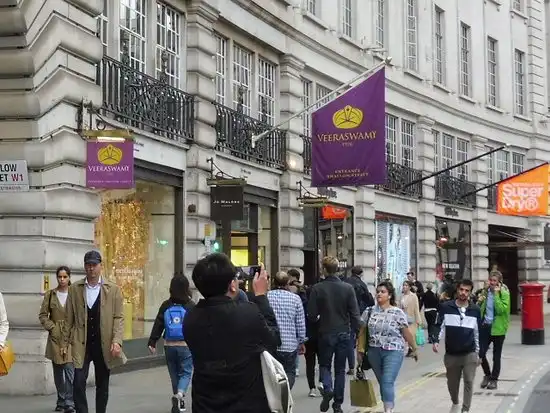
‘It was a different time’
For many in the industry, the restaurant is seen as a foundational reference point. This support has helped push the story beyond hospitality circles and into wider public debate.
“I really love and admire what they have done and achieved in this space. It was a different time when it opened,” says Atul Kochhar, the Indian-born, UK-based celebrity chef and restaurateur, in a conversation with Global Indian.
Kochhar, widely regarded as one of the most influential chefs of his generation and credited with changing how Indian cuisine is perceived globally, says Veeraswamy needs support. “This restaurant should be given a new home,” he adds.