

(December 14, 2025) First introduced as Man of the Year and renamed Person of the Year in 1999, TIME’s annual tradition is not an award for achievement but a reflection of impact. The magazine uses it to spotlight the person, group, idea, or force that has most influenced the course of the year, whether that influence was welcomed or feared. In 1982, when personal computers were still unfamiliar in most households, TIME magazine made a striking editorial decision. That year, the magazine selected the computer as the symbolic focus of its Person of the Year issue, while chronicling the technology through the entrepreneurs and executives who were building and popularising it. Figures such as Apple co-founder Steve Jobs and IBM president John Opel came to represent a new technological age that was beginning to transform work, communication and daily life.
More than four decades later, TIME has returned to the same idea, recognising that technology once again stands at the centre of global change. For 2025, the magazine has named the Architects of Artificial Intelligence as its Person of the Year, using the singular title to honour a group whose collective work has driven AI out of labs and into everyday life. “The Architects of AI are TIME’s 2025 Person of the Year,” it mentioned.
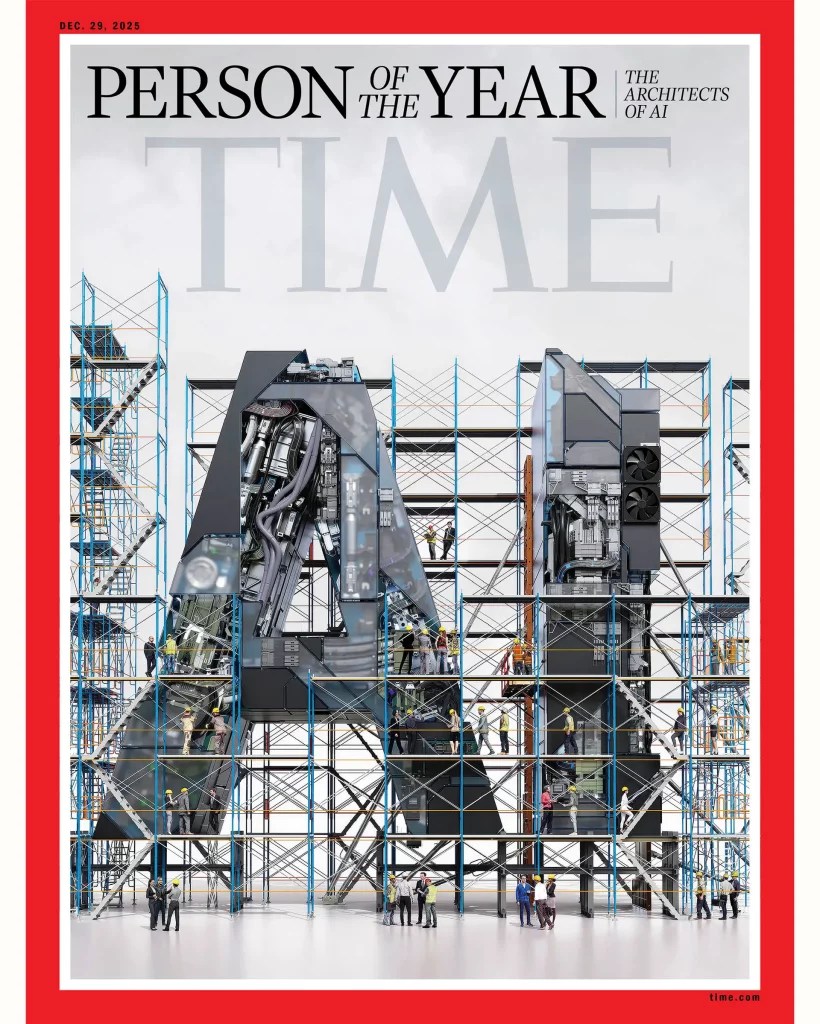
llustration by Peter Crowther for TIME | Photo Credit: TIME
Not a ranking, but a feature with two Indian-origin leaders
Unlike many annual power lists, TIME’s Architects of AI is not a numbered or ranked compilation. It is a feature article, built around a curated group of individuals whose work collectively explains how AI reached its current moment. The core group highlighted includes Nvidia chief Jensen Huang, OpenAI CEO Sam Altman, Meta head Mark Zuckerberg, Tesla and xAI owner Elon Musk, AMD CEO Lisa Su, Google DeepMind chief Demis Hassabis, Anthropic CEO Dario Amodei and Stanford professor Fei Fei Li. Other influential figures, such as SoftBank founder Masayoshi Son, are mentioned within the broader context of the story.
Within this wider narrative, TIME also shines a light on two Indian origin leaders, recognising their influence in shaping both the policy and consumer-facing sides of artificial intelligence.
Sriram Krishnan: AI as national strategy
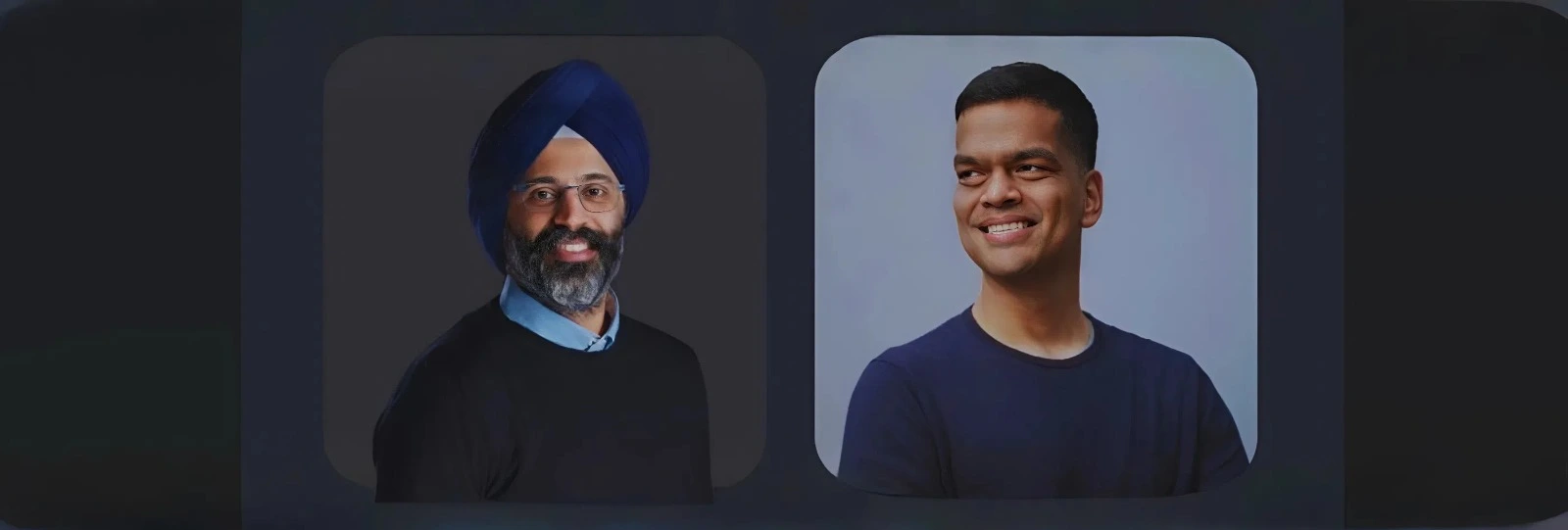
The first of the two Indian origin figures highlighted by TIME in its feature is Sriram Krishnan, currently serving as the Senior White House Policy Advisor on Artificial Intelligence.
Krishnan occupies a pivotal position at the intersection of technology and government. According to TIME, during President Donald Trump’s first week back in office, Krishnan was called to the White House to brief senior officials on a significant development overseas. A Chinese startup called DeepSeek had released an artificial intelligence model that reportedly rivalled leading American systems. The company claimed it had achieved this using less advanced chips and far less computing power, raising concerns about the pace of global competition.
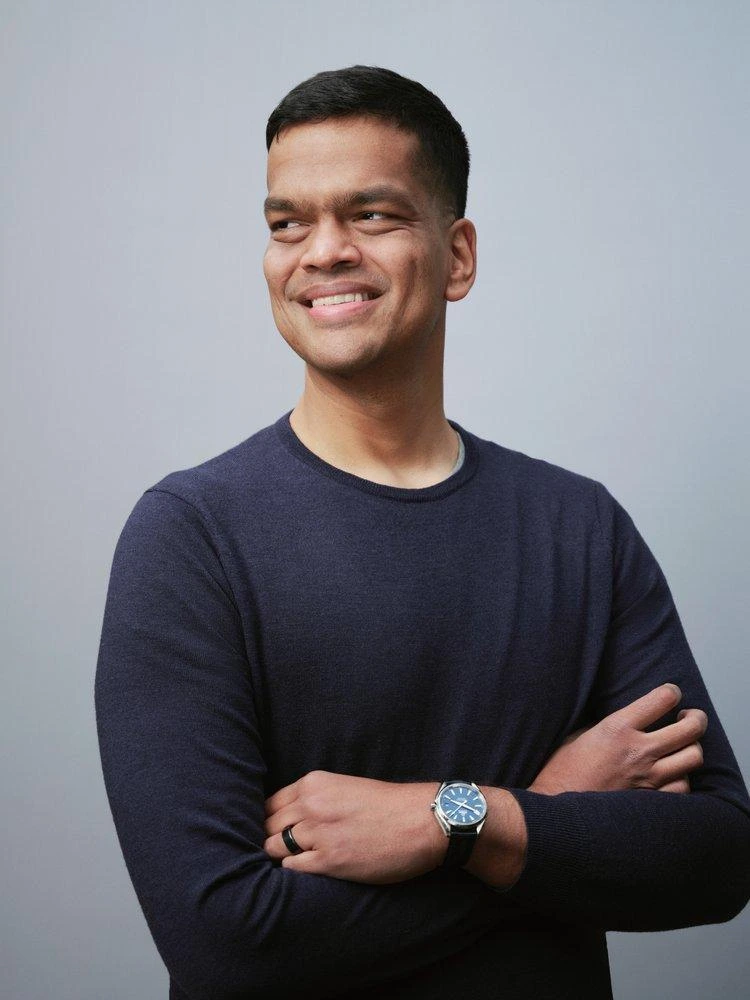
Sriram Krishnan
For Krishnan, the moment reinforced warnings he had been sharing for months. TIME noted that he had argued the United States needed to build AI systems as fast as possible and remove regulatory obstacles to allow American companies to move quickly. Sriram Krishnan sees artificial intelligence as a high stakes competition between countries. In a recent fireside chat he called it an “existential race with China,” where the contest is over whose technology the world ends up using.
As he explains it, the competition runs from the most basic level of hardware to the software people interact with every day. American made computer chips and AI models are competing directly with Chinese alternatives. For Krishnan, this race should be measured like a business contest. “We need to have a metric for winning,” he says. “For me, the metric is market share for American AI.” As a senior policy adviser, Krishnan plays a central role in shaping the US government’s approach to artificial intelligence, including federal adoption, private sector regulation and international engagement.
From Chennai to the White House
Krishnan was born in Chennai. His interest in technology began in the late 1990s, when he persuaded his father to buy him a computer. Without internet access, he relied on coding books, practising programming concepts night after night. He earned a Bachelor of Technology in Information Technology from SRM University and later became a naturalised US citizen in 2016. Over the years, Krishnan held leadership roles at Microsoft, Yahoo, Twitter, Facebook and Snap before moving into venture capital as a general partner at Andreessen Horowitz.
In December 2024, President elect Donald Trump announced Krishnan’s appointment as Senior White House Policy Advisor on Artificial Intelligence. In this role, he is one of the authors of the American AI Action Plan released in July 2025, which frames artificial intelligence leadership as essential to maintaining national competitiveness.
Karandeep Anand: AI in daily life
While Krishnan represents AI at the level of national strategy, Karandeep Anand represents how artificial intelligence is reshaping everyday digital behaviour. Anand is the CEO of Character.AI, a chatbot platform that allows users to interact with AI generated personalities. As mentioned in the TIME’s feature, the platform has about 20 million active users, most of them born after 1997, who spend an average of 70 to 80 minutes per day on the service.
Anand believes this shift marks a break from traditional social media habits. “They have broken out of the doomscrolling world of social media,” he said, describing AI interaction as a more engaging alternative. Character.AI has also faced lawsuits from families following teen deaths, prompting the company to introduce safety updates, including limits on teen usage. These challenges highlight the ethical and emotional complexities that accompany widespread AI adoption.
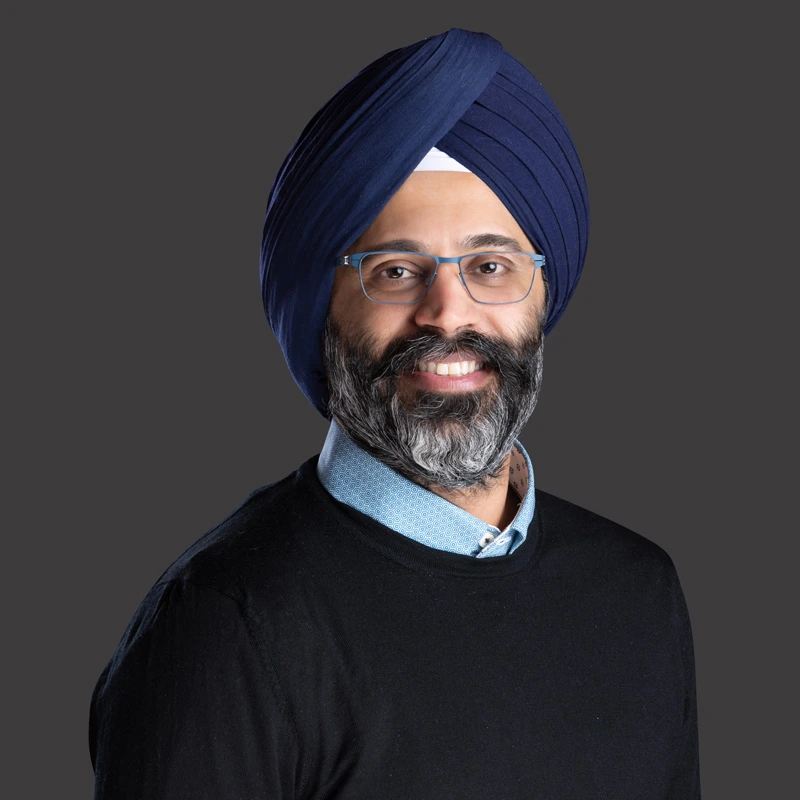
Karandeep Anand
Early access set the course
Anand’s journey began in a middle class family in India, where early exposure to a computer shaped his outlook on technology. Reflecting on that experience, he said, “When you can make technology available globally, you can change people’s lives.” Anand studied computer science at the International Institute of Information Technology Hyderabad and later completed a marketing and strategy certification at Northwestern University’s Kellogg School of Management. Before joining Character.AI as CEO in 2025, he held senior roles at Microsoft and Meta, including serving as Vice President and Head of Business Products at Meta.
He has also spoken candidly about career choices, noting that prioritising titles over personal interests once led to dissatisfaction. “When you optimize around your passions rather than career titles, success will always follow,” he had remarked in a social media post during his time at Facebook.
Visualising the AI moment
TIME supported its editorial decision with two distinct cover designs, each reflecting a different aspect of the AI era. One cover presents the letters AI surrounded by workers, suggesting that artificial intelligence, for all its abstraction, is built by human effort and carries real social and economic consequences.
The second cover, illustrated by artist Jason Seiler, reimagines the famous 1932 photograph Lunch Atop a Skyscraper. In the original image, steelworkers sit on a beam suspended high above New York City during the construction of Rockefeller Plaza, an image that came to symbolise resilience and industrial ambition during the Great Depression.
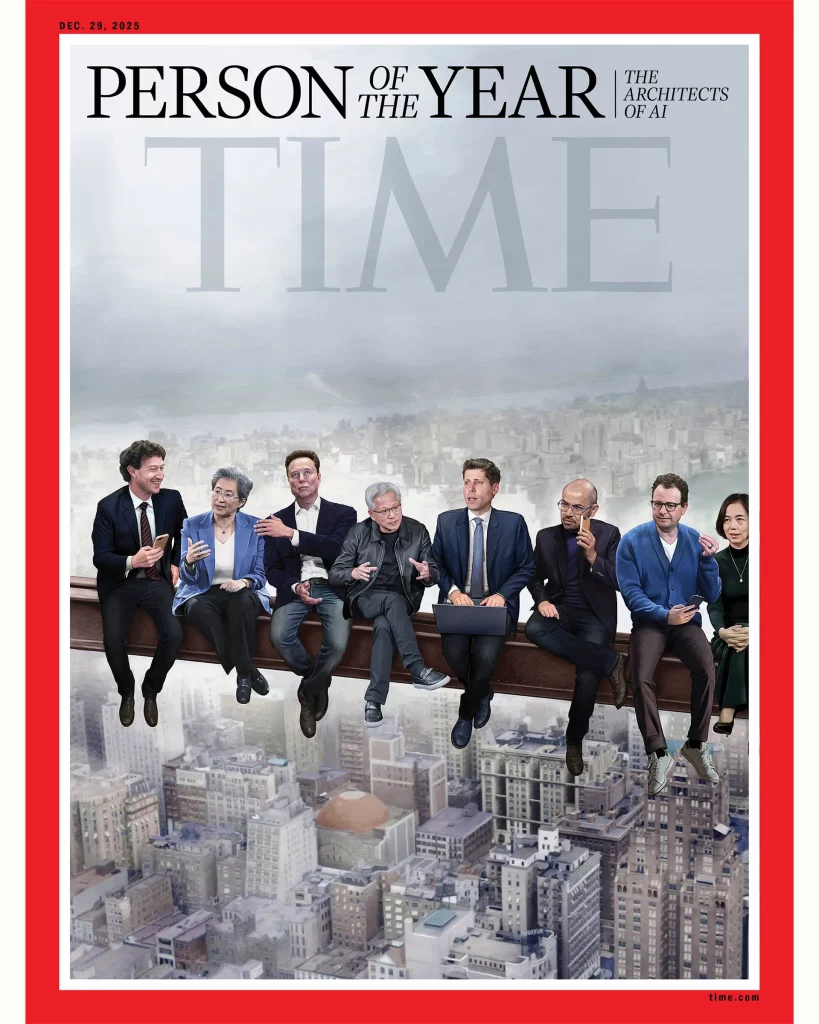
Painting by Jason Seiler for TIME | Photo Credit: TIME
In Seiler’s reinterpretation, leading figures from the AI world replace the construction workers, seated on a beam above the future they are building. The image captures both confidence and vulnerability, hinting at the scale of the risks and rewards involved in constructing powerful new technologies.
By highlighting the Architects of AI, and by including Indian origin leadersTIME captures a global technological moment that is still unfolding, but already impossible to ignore.
ALSO READ: TIME names Neal Mohan 2025 CEO of the Year