


(January 13, 2026) In cardiology, the difference between survival and loss is sometimes measured in minutes. And in those minutes, the people who matter most are the ones who don’t miss a beat. Dr Anuj Kapadiya is one of them.
Having performed over 2,000 primary angioplasties and numerous other cardiac interventions in a career spanning 18 years, the renowned cardiologist—who also trains senior electrophysiologists from the US and other countries has redefined what “timely care” can look like, saving lives in moments of crisis.
“The best cath lab isn’t the one that looks impressive, but the one that moves fast, safely, and consistently, especially when the diagnosis is time-sensitive,” Dr Anuj Kapadiya, Consultant Cardiologist and Director of the Cath Lab at AIG Hospitals, Hyderabad, tells Global Indian.
A cardiologist shaped by rigorous training and refined by nearly two decades of high-volume, high-stakes cath-lab leadership, his clinical practice has been firmly rooted in India, while his professional engagement has been global in scope.
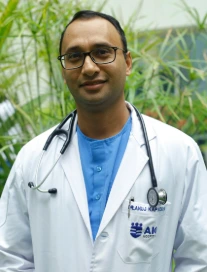
Speed, systems and skill
“Watching patients walk out after surviving what could have been a fatal heart attack reinforces my belief that systems and speed are as important as skill,” says Dr Anuj, for whom the real victories are the patients who return to normal life after being told they had very limited options.
Precision in coronary work, depth in imaging, mastery in technique—Dr Anuj’s expertise spans clinical cardiology and interventional cardiology, with special focus on coronary artery disease and advanced PCI strategies.
In medical circles, he is described as a clinician who does not chase complexity for its own sake; instead, he chases clarity—about diagnosis, about urgency, and about what a patient needs right now.
The making of a cardiologist
Dr Anuj’s medical journey began at Osmania Medical College, Hyderabad, where he completed his MBBS (1993–1999). Osmania is known for its rigorous clinical exposure, and those years laid a strong foundation in bedside medicine.
During his MD in General Medicine (2000–2003) at the same institution, Dr Anuj became deeply interested in acute care—situations where timely decisions could dramatically change outcomes.
“Cardiology attracted me because it sits at the intersection of urgency, precision, and impact. I always imagined sitting on a red blood cell and travelling in the vessels throughout the body,” smiles Dr Anuj, who had a long tenure at Care Hospitals (2006–2019) as Consultant Cardiologist and Cath Lab Director, prior to joining AIG.
A heart attack doesn’t wait, and neither can a cardiologist. “That sense of immediacy appealed to me,” says the renowned cardiologist, who went on to pursue a DM in Cardiology (2003–2006) at Osmania Medical College.
A defining fellowship moment
One defining moment during his fellowship was being part of establishing a Primary Angioplasty program at Osmania General Hospital—a milestone that reflects an early instinct for systems, not just skill.
“Primary angioplasty (PCI for acute heart attack) isn’t merely a procedure; it’s a careful choreography of triage, ECG timing, cath-lab readiness, and decisive teamwork. Creating such a program means building reliability under pressure, where delays can cost lives.”
He firmly believes that medicine is not only about what happens inside a cardiac cath lab, but also what happens before the patient arrives. “It is about awareness, prevention, and the courage to seek help early.”
On the global cardiology stage
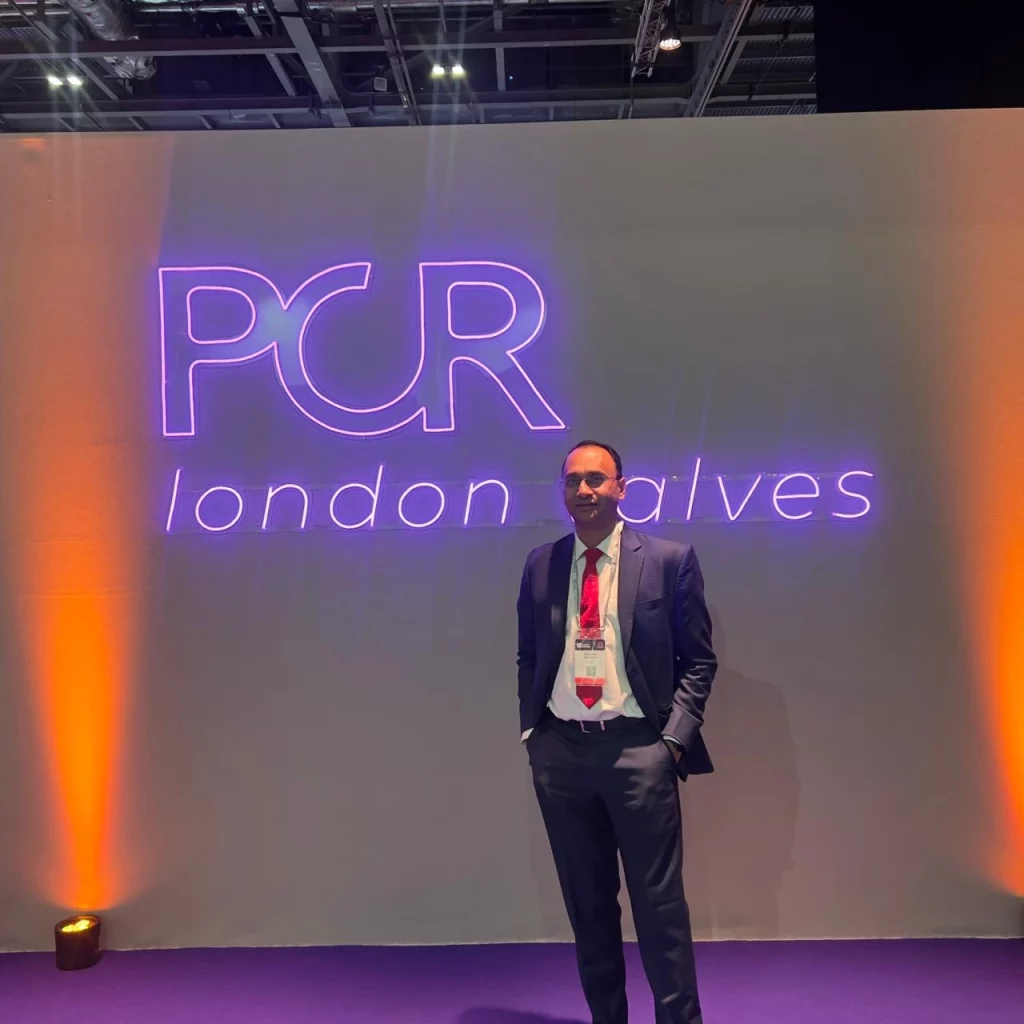
A Fellow of the American College of Cardiology (FACC), Dr Anuj has been on faculty at EuroPCR, one of the most influential global platforms in interventional cardiology. “It gave me the opportunity to both learn from and contribute to evolving global practices,” says the cardiologist, who is also a Fellow of the Society for Cardiovascular Angiography & Interventions (SCAI) and regularly participates in workshops and seminars across the world.
Both memberships reflect continued engagement with international standards of care. At the heart of the interventional community, EuroPCR unites physicians, researchers, nurses and allied professionals, and industry partners around one shared conviction—education saves lives.
Training the trainers
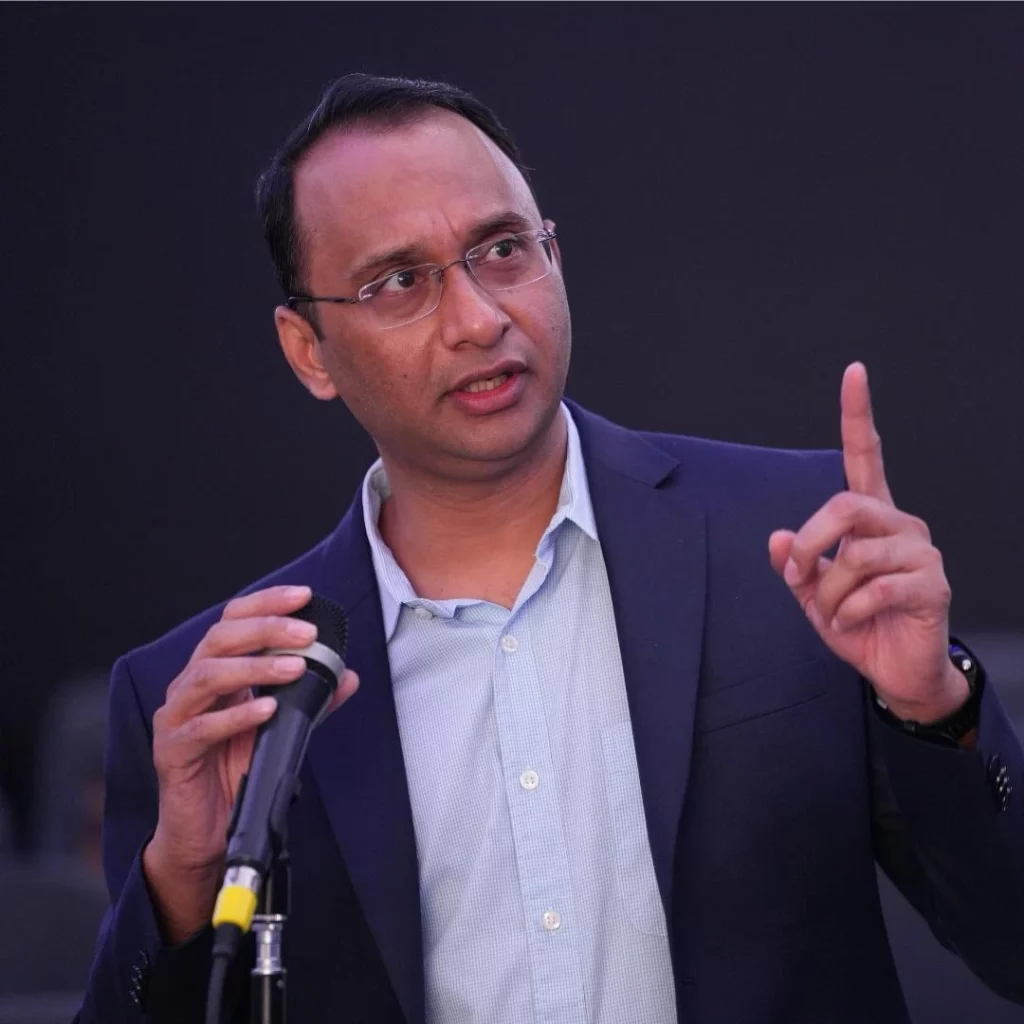
Dr Anuj says one particularly fulfilling aspect of his international work has been serving as a trainer for senior electrophysiologists from the US and other countries. “They are trained in septal puncture techniques, and I also act as a proctor for TAVR programs internationally,” says Dr Anuj, pointing out that his role is more about knowledge exchange—bringing global best practices to India and showcasing Indian expertise on international platforms.
When it comes to training senior doctors, especially those already accomplished in their own settings, one requires something beyond competence. “It requires the ability to explain the ‘why’ behind every move, to translate experience into reproducible steps, and to emphasize judgment as much as technique.”
Advancing structural heart care
Dr Anuj’s work expands beyond coronary disease into structural heart disease, with a strong interest in procedures that can dramatically change quality of life—often for patients who are older, high-risk, or previously considered “too complex.”
A standout milestone has been the establishment of TAVR programs at AIG Hospitals, together with his team. “TAVR (Transcatheter Aortic Valve Replacement) represents a new era for selected patients with severe aortic stenosis, especially when conventional surgery is high-risk,” says Dr Anuj of the program, which requires meticulous selection, imaging integration, a heart-team approach, and post-procedure pathways that protect outcomes.
The challenge of late presentation
He says one of the biggest challenges he often faces as a doctor is late presentation. “Patients often ignore symptoms, mistaking chest pain for gastric discomfort. Convincing families during emergencies—when fear and denial coexist—is another challenge.”
A patient who waits at home debating whether it’s “just acidity” may lose the very window where a timely diagnosis could have prevented cardiac muscle damage.
Early influences: HPS and home
Born in Hyderabad into a family that valued education, discipline, and hard work, Dr Anuj did his schooling at Hyderabad Public School (HPS), Begumpet, which played a formative role in shaping his worldview.
“It was not just academics. HPS encouraged curiosity, debate, sports, and a sense of responsibility toward society—all of which stayed with me long after I left its classrooms.”
Academically, he was consistent and curious rather than obsessively competitive. “I enjoyed science, particularly biology, and I was fascinated by how the human body worked as an integrated system,” says Dr Anuj, who was actively involved in cricket, athletics, and debates—activities that taught him teamwork and resilience, qualities that later became invaluable in medicine.
A family rooted in service
His family background had a quiet influence on his choice of profession. “I was born into a family of teachers. My grandfather and grandmother were M.A. in English and Hindi. My mother and father were teachers too.”
There was a strong emphasis on service and giving back, which perhaps explains why medicine felt less like a career choice and more like a natural direction.
No second chances in cardiology
In cardiology, says Dr Anuj, there are moments when the heart simply does not offer a second chance. And that is where the best hospitals and systems matter.
“Better heart health is not only lifestyle and prevention—though that is foundational—it is also access, which translates into the ability to get an ECG quickly, to measure troponin on time, to reach a cath lab without friction, and to be treated by a coordinated team that has rehearsed urgency.”
The emotional weight of the work
There is also the emotional weight of the profession. “Every decision can have irreversible consequences, and that responsibility never truly leaves you,” says Dr Anuj.
Some of the most challenging cases have involved left main coronary artery blockages, complex bifurcation lesions, and high-risk structural heart interventions in elderly patients, including TAVR, percutaneous mitral valve replacement, MitraClip, and pulmonary valve replacement.
India’s cardiology moment
Dr Anuj says India has made remarkable strides in interventional cardiology. “In many tertiary centers, outcomes for procedures like angioplasty and TAVR are comparable to the best in the West. The challenge, however, lies in access and awareness.”
A lot of technological advancements—such as stents and TAVI valves—are now being made in India. “This has made healthcare much more affordable to Indians. We see heart disease presenting nearly a decade earlier in Indians compared to Western populations, driven by lifestyle, genetic predisposition, diabetes, stress, and delayed screening.”
While technology is available, early diagnosis and timely referral remain uneven across regions, he says.
The need of the hour
“India needs stronger preventive cardiology, wider availability of emergency cath labs, better ambulance-to-hospital integration, and more structured cardiac rehabilitation programs.” While there has been rapid technological progress, the next leap must focus on systems, affordability, and early intervention.
Practicing what he preaches
Outside work, Dr Anuj enjoys running. “I try to run at least three to four days a week, covering a minimum of 5 km in each run, and often participate in marathons,” he says.
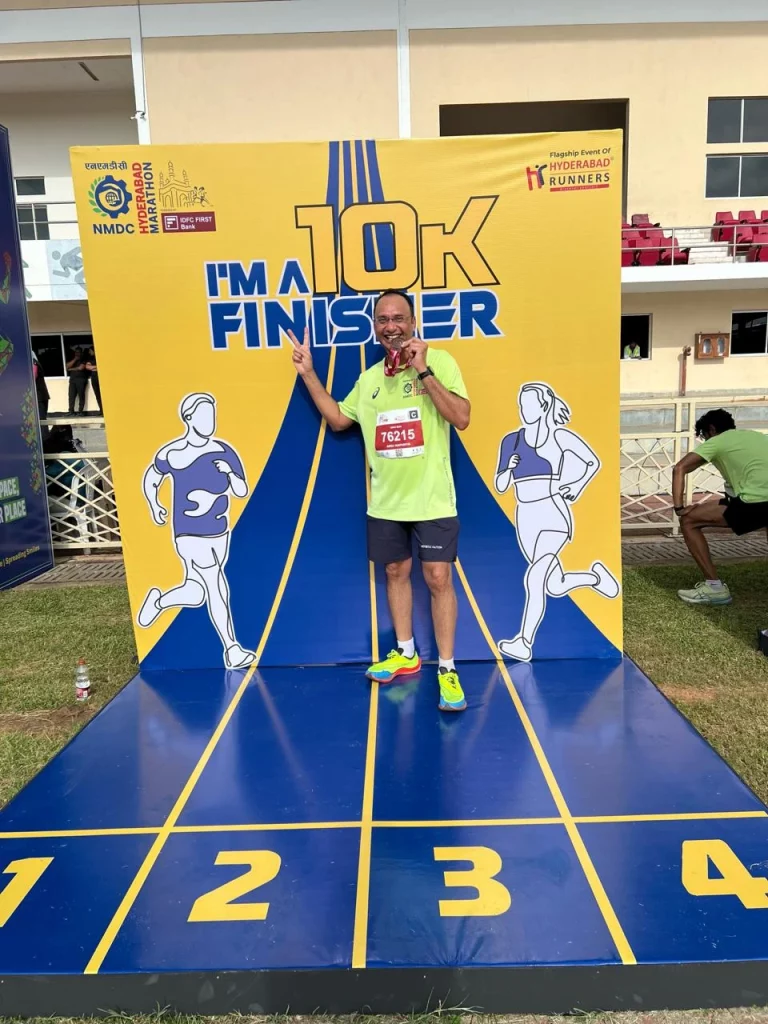
His day typically starts early. Before hospital rounds, he spends 30–40 minutes walking or doing high-intensity exercise, which helps clear his mind. “As a cardiologist, I strongly believe that doctors must practice what they preach.”
His diet is simple and home-cooked—balanced meals with adequate protein, vegetables, curd, and controlled carbohydrates. “I avoid excess sugar and processed food,” informs Dr Anuj, for whom mental calm comes from routine, preparation, and the confidence that he and his team are ready for whatever the day brings.
Giving back
Dr Anuj is deeply involved with the Kasturba Gandhi Women’s Trust, a philanthropic initiative that supports destitute and vulnerable women. He has been associated with the Trust since the year 2000.
“The Trust provides more than temporary relief. It offers safe shelter, emotional support, and vocational training, enabling women to rebuild their lives with dignity and financial independence,” informs the cardiologist, who personally supports the education of three children through engineering and nursing—an effort he describes as one of the most fulfilling parts of his life.
Whether in medicine or philanthropy, Dr Anuj’s goal remains the same—to restore function, preserve dignity, and enable self-reliance.
Looking ahead
In the near future, Dr Anuj’s focus is on strengthening comprehensive heart-care programs, mentoring younger cardiologists, and expanding preventive awareness through public engagement. “Medicine must increasingly move beyond hospital walls, and that’s where I see my role evolving,” he signs off.
ALSO READ: Dr Praveen Mereddy: Balancing surgery, stillness, and the spirit of adventure



Hats off to your commitment. SHRUTI and me wish you all the best.
Dr is really patient friendly very positive approach great hospitality.
Great Gentleman. May God bless him more strength and vitality to serve the beedy 💐