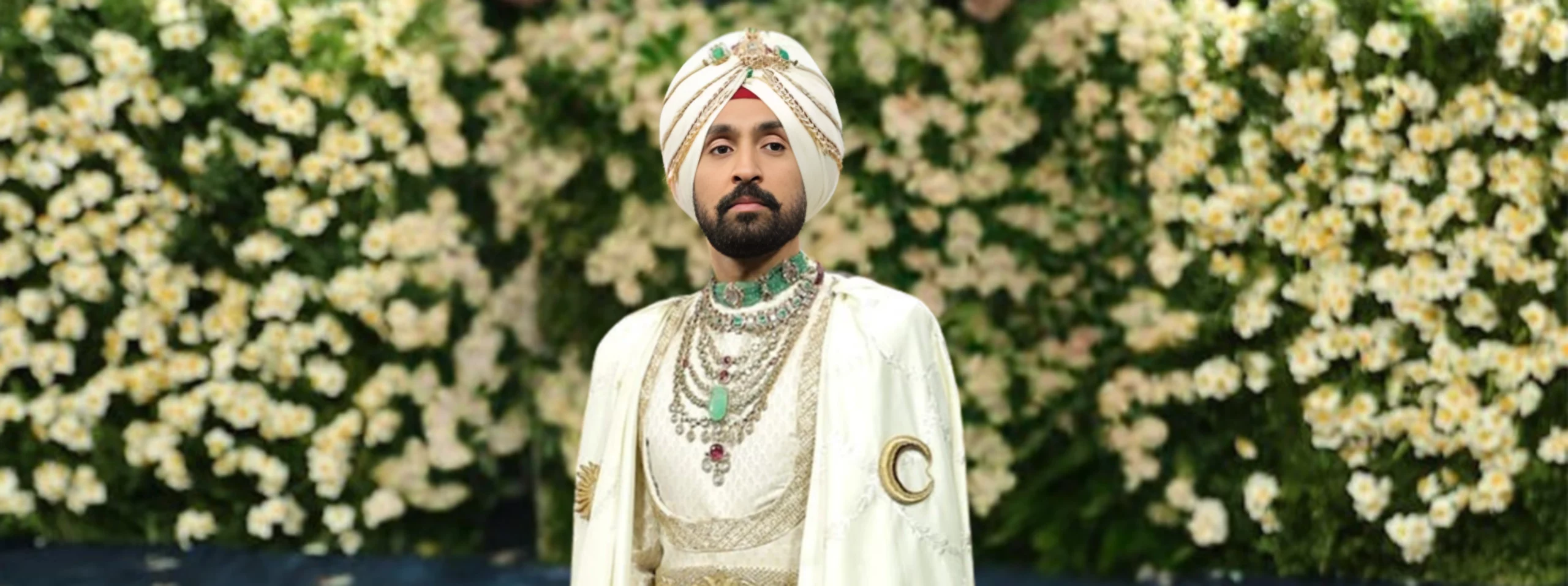


(December 31, 2025) On the last day of the year, as celebrations unfold across time zones, attention naturally turns to moments that linger beyond headlines and hard news. Entertainment does not define a year, but it certainly colours it, offering relief, connection, and shared enjoyment amid the chaos of everyday life. Across 2025, Indian and Indian-origin entertainers appeared on global stages, influencing popular culture, taste, and storytelling. There was a Grammy win for Indian spiritual music, a Hindi stand-up show filling Madison Square Garden, Punjabi music and identity commanding global platforms, and Indian-origin creators shaping cinema’s institutions and technologies.
This year-end special brings together those standout moments and the entertainers behind them, whose work resonated globally in 2025. Tracked by Global Indian as they unfolded, these are the performances, breakthroughs, and cultural signals that stayed with us.
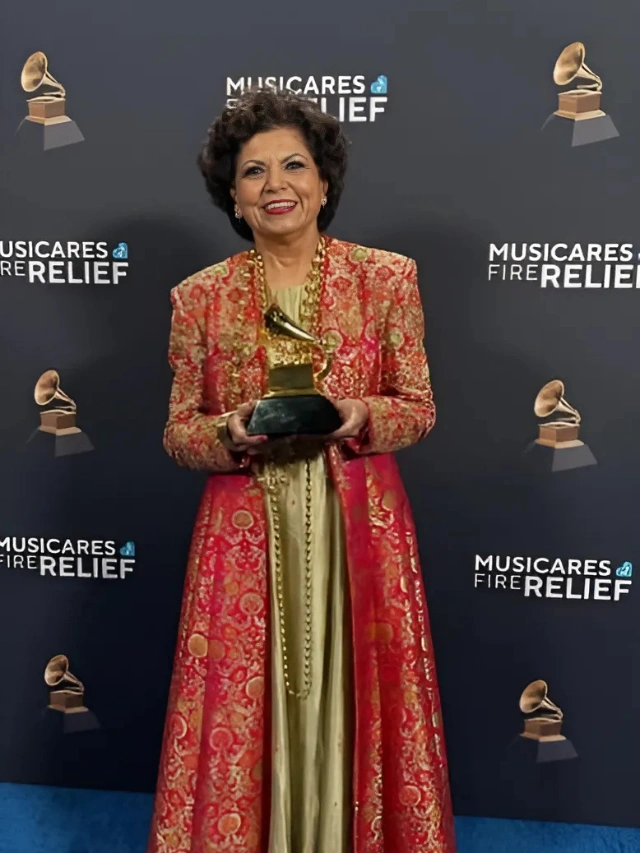
Chandrika Tandon with her Grammy award
Chandrika Tandon won a Grammy for Indian spiritual music
Chandrika Tandon, a Chennai-born Indian-American musician and composer, achieved one of the highest recognitions in global music in 2025 by winning a Grammy Award for her album Triveni in the Best New Age, Ambient, or Chant Album category. Created in collaboration with South African flautist Wouter Kellerman and Japanese-origin cellist Eru Matsumoto, Triveni brought together Indian chants, meditative traditions, and cross-cultural instrumentation into a contemporary global soundscape. Rooted in spirituality yet expansive in form, the album introduced Indian devotional music to international audiences without diluting its essence. Accepting the award in Los Angeles, the 70-year-old summed up her artistic philosophy simply mentioning “Music is love, music is light, music is laughter.” The cultural significance of the win lay in its positioning. Indian spiritual music stood confidently alongside global musical traditions. In a year dominated by spectacle-driven pop, Tandon’s Grammy affirmed that contemplative, Indian-rooted music could command the world’s most prestigious stage. Read More
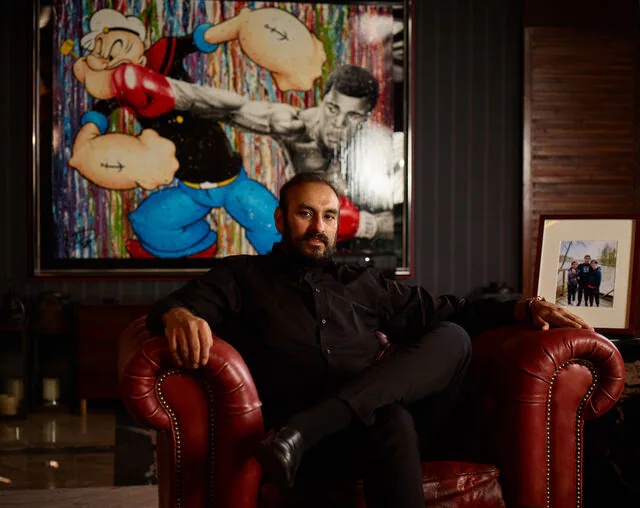
Namit Malhotra
Namit Malhotra’s DNEG won the Oscar for best visual effects
Namit Malhotra, founder of global visual effects company DNEG, was at the centre of one of 2025’s most consequential cinema moments when the American epic space opera film Dune: Part Two won the Oscar for Best Visual Effects. At a time when visual effects define modern cinematic spectacle, DNEG has emerged as one of the most influential forces shaping global filmmaking. Malhotra’s achievement marked a shift from Indian-origin participation in Hollywood to Indian-origin leadership. Indian talent was no longer supporting blockbuster cinema, rather it was engineering its most ambitious visions while Indian-origin leadership was embedded within the infrastructure that built the global spectacle. In 2025, Malhotra’s company’s Oscar win positioned India not just as a source of skilled talent, but as a force shaping the future of global cinema. Read More
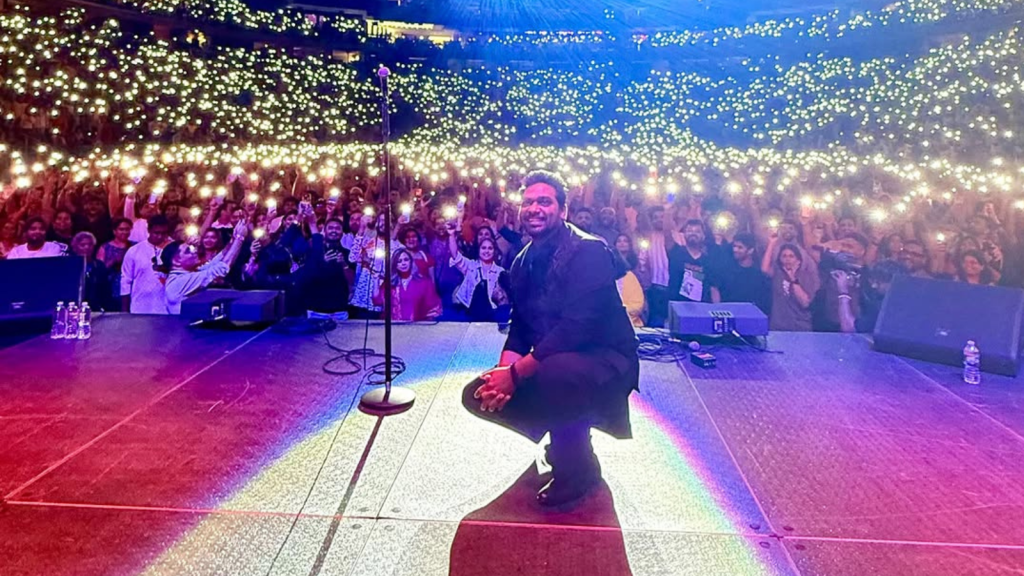
Zakir Khan at Madison-Square Gaden
Zakir Khan became the first Hindi comedian at Madison Square Garden
Zakir Khan, one of India’s most popular stand-up comedians, created a landmark moment in 2025 by delivering a sold-out, full-length Hindi comedy show at New York’s Madison Square Garden. Comedy rarely travels easily. It depends on language, timing, and shared social experience. Performing entirely in Hindi, Zakir filled one of the world’s most iconic arenas with stories rooted in Indian middle-class life, touching on love, heartbreak, masculinity, emotional restraint, and everyday awkwardness. Nothing was adapted or simplified. This wasn’t Hindi comedy adjusted for global audiences; it was presented with absolute confidence. The Madison Square Garden show legitimised Indian stand-up as a globally scalable art form, proving that Indian storytelling rhythms and cultural specificity could command mass international audiences without translation. Read More
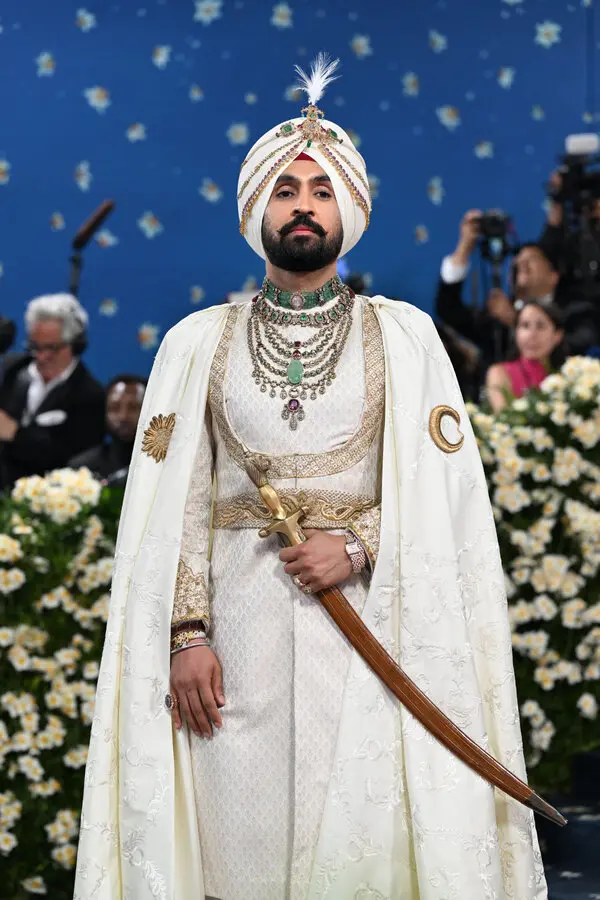
Diljit Dosanjh at Met Gala 2025
Diljit Dosanjh became the first turbaned Indian at the Met Gala in New York
Punjabi singer-actor Diljit Dosanjh’s 2025 was defined by visibility and assertion across some of the world’s most watched cultural platforms. Following his historic performance at Coachella, Diljit appeared at the Met Gala in New York, where Punjabi identity was present without explanation or dilution. He stepped onto the Met Gala red carpet wearing a Prabal Gurung ensemble inscribed with Gurmukhi, taking Punjabi cultural nuances to center stage. His look with flowing silhouette and ornate details inspired by the Maharaja of Patiala made clear that he wasn’t just a guest, but a proud ambassador of his heritage. His presence marked a cultural moment rather than a stylistic one. Diljit demonstrated that regional Indian identity could operate internationally with confidence and mass appeal. He did not adapt his language or symbolism to fit global pop culture; instead, he has expanded its boundaries, making Punjabi sound and presence part of the mainstream global conversation in 2025. Read More
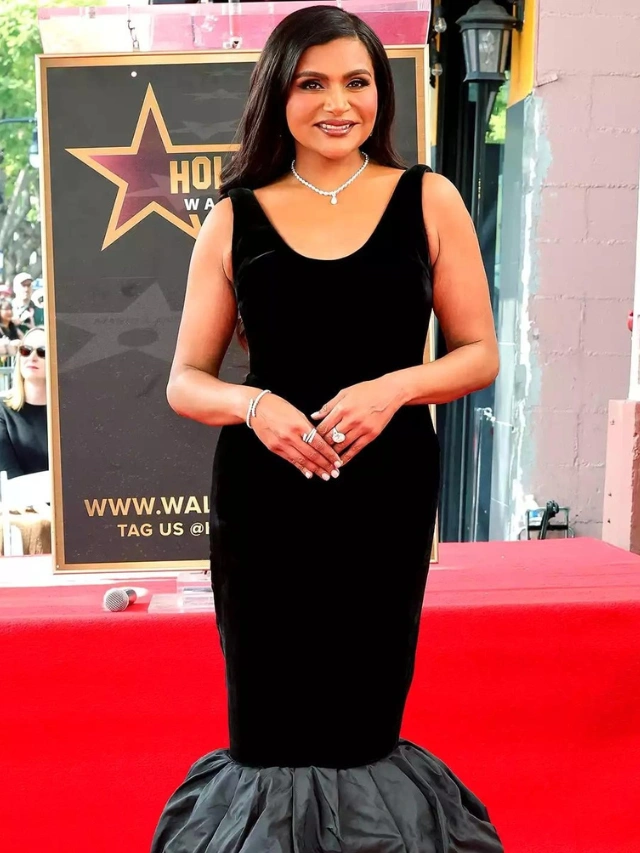
Mindy Kaling received a star on the Hollywood Walk of Fame
Mindy Kaling became first South Asian woman on Hollywood Walk of Fame
Mindy Kaling, actor, writer, producer, and showrunner, became the first South Asian woman to receive a star on the Hollywood Walk of Fame in 2025. The Walk of Fame represents Hollywood’s most permanent public archive of legacy, and its expansion to include an Indian-origin woman carried deep symbolic weight. A star is a permanent terrazzo-and-brass plaque embedded into the sidewalks of Hollywood Boulevard and Vine Street in Los Angeles, bearing the recipient’s name and category as a public honour. Over her career, Kaling has normalised Indian-American presence on screen and behind the camera, redefining comedic female protagonists in mainstream television. This recognition ensured that her contribution is not just remembered, but physically etched into Hollywood’s landscape, visible to millions of visitors every year. In an industry where representation can often feel trend-driven, the moment signalled permanence, and that Indian-origin storytellers are foundational to Hollywood’s evolving history. Read More
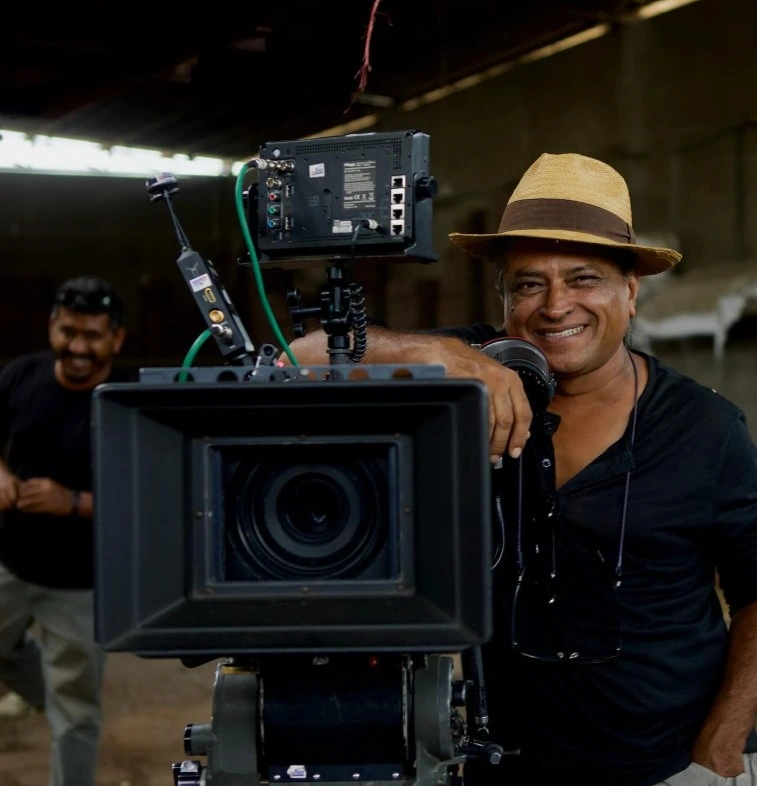
Pan Nalin
Pan Nalin inducted as first Indian director into the European Film Academy
Filmmaker Pan Nalin’s induction as the first Indian director into the European Film Academy in 2025 marked a lasting moment for Indian cinema. The Academy is one of world cinema’s most influential institutional spaces, focused on authorship, craft, and long-term cultural recognition. Long known for films such as Samsara and Valley of Flowers, Nalin has built a career rooted in cross-cultural storytelling, spiritual inquiry, and visually driven narrative traditions that resist easy categorisation. Born in Gujarat, Pan Nalin trained at the Film and Television Institute of India (FTII) before building an international career that spans India and Europe. His inclusion signalled that Indian filmmakers are no longer peripheral voices in global art-house conversations; rather, they are being recognised as peers shaping them from within. Read More
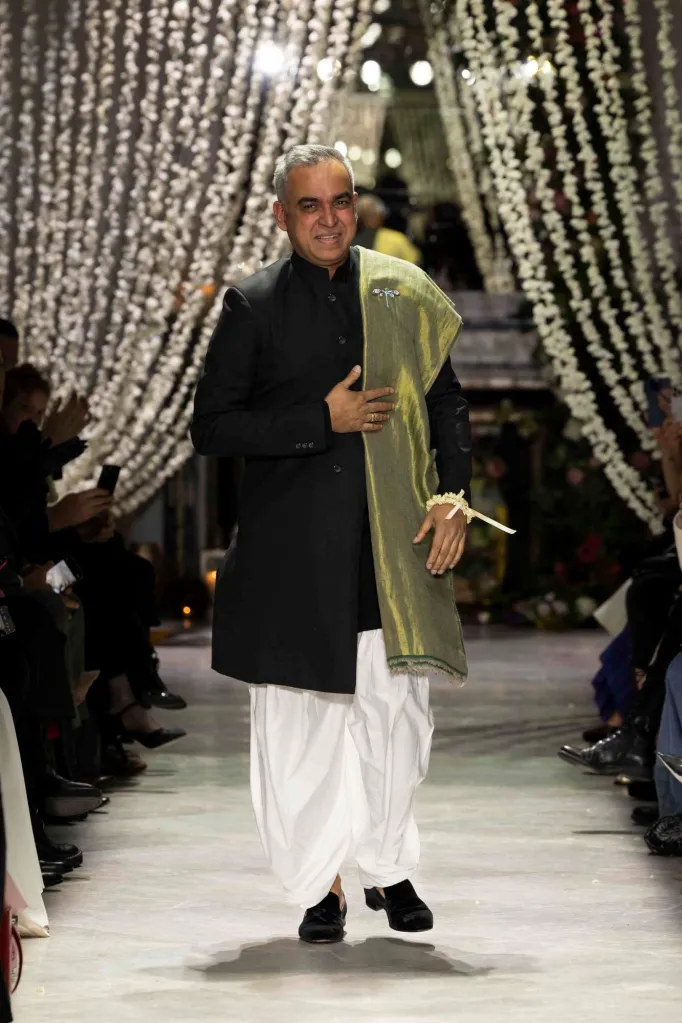
Bibhu Mohapatra at the New York Fashion Week
Bibhu Mohapatra showcased Indian artistry at New York Fashion Week
Fashion designer Bibhu Mohapatra created an influential cultural moment at New York Fashion Week, where his collaboration with Tanishq repositioned Indian craftsmanship on a global luxury platform. Rather than presenting Indian jewellery as heritage or nostalgia, the showcase framed it as contemporary design. Indian craft was not inspiration, it was authorship. By placing it at the heart of one of fashion’s most influential stages, Mohapatra collapsed the divide between “ethnic” and “elite.” In a year where luxury increasingly sought authenticity, the moment repositioned India as a design authority shaping global taste, making it a fitting visual coda to 2025’s cultural story. Read More
Taken together, these moments show how Indian and Indian-origin entertainers occupied global cultural spaces in 2025, not as novelties or one-off successes, but as confident, consistent presences. Their work appeared across institutions, audiences, and formats, from award stages and legacy markers to arenas, red carpets, and international festivals. What emerges is not a single headline-making shift, but a steady normalisation. Indian voices moved fluidly through global entertainment, shaping taste, storytelling, and visibility without needing explanation or adjustment. As the year closes, this is one of 2025’s takeaways that Indian identity has started functioning in the creative mainstream with ease, authority, and an increasingly unremarkable sense of belonging.