


(February 17, 2026) Hospital was home for Abhineet Kumar, at least till the age of 16. Born to doctor parents, he grew up inside the hospital run by them, located in the same complex as their house. It gave him first-hand exposure to healthcare: patients, struggling families, and doctors trying to do their best with limited resources. These early experiences exposed him to both the potential and the gaps in India’s health system. Later, his education in the US and experience with leading enterprises such as Amazon and American Airlines gave him global exposure.
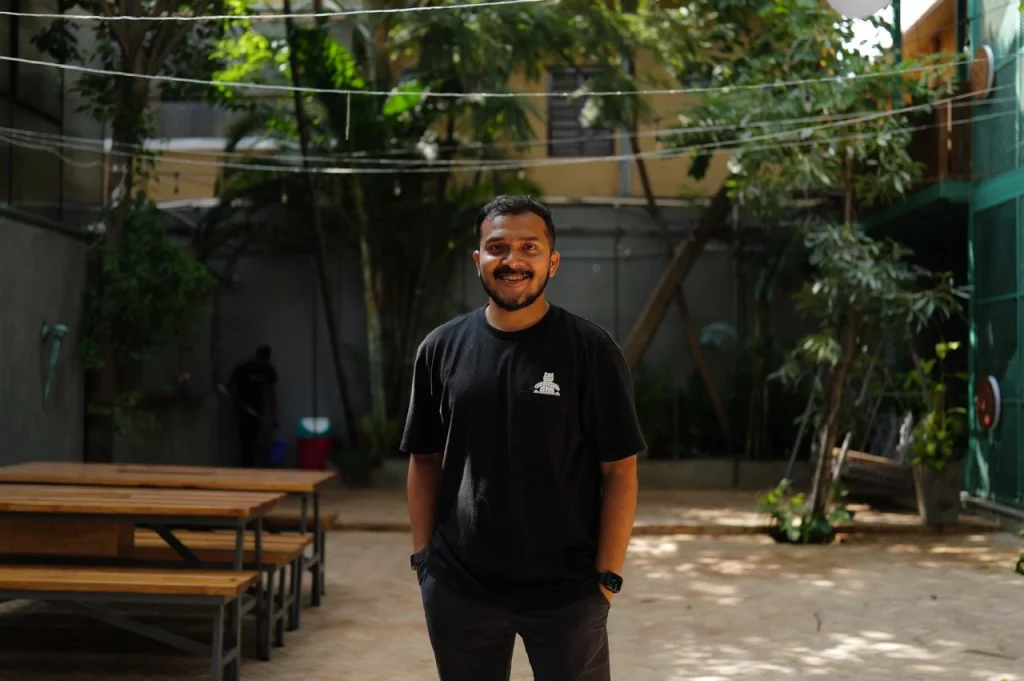
So when Covid shut down the world, he realised it was time to put his learning and exposure to use for the larger good. That’s how Rocket Health, one of India’s first digital-first mental health brand, was born. “What sets Rocket Health apart is its dual focus on technology and human care,” says Abhineet Kumar, CEO and Founder of Rocket Health, in a chat with Global Indian.
View this post on Instagram
Turning gaps into opportunities
During the COVID-19 pandemic, Abhineet and his sister, Ritika Sinha, began helping people with medical consultations as a volunteer effort. Soon, they noticed a recurring pattern: a pressing need for mental health support in underserved cities and towns.
“We realised that many people were struggling with anxiety, fear, and emotional distress, especially in Tier-2 and Tier-3 cities, where mental health support was almost non-existent.” Rocket Health was born from that insight as a platform providing therapy, psychiatry, and wellness solutions to users across India. “Nearly half our user base comes from Tier-2 and Tier-3 cities. People have complete access to therapy and psychiatry from home, without stigma.”
Abhineet shifted base to Bangalore and built Rocket Health into a full-stack platform supported by in-house technology, a dedicated care team, and a strong clinical network, with an emphasis on delivering high-quality healthcare for everyone.
Building tools for scale
Under Abhineet’s leadership, the company has invested not only in consumer-facing platforms but also in proprietary tools for its care team, enabling seamless, concierge-like support for users. “From an in-house CRM to automated workflows, Rocket Health’s tech stack ensures efficiency, while its human-led care team ensures empathy, guidance, and trust.”
Rocket Journal
In 2023, Rocket Health introduced Rocket Journal, an AI-powered voice journaling app designed to provide empathetic, CBT-informed conversations at scale. “This innovation is shaping the future of digital mental health in India, acting as a first layer of support before connecting users to professionals.” He says Rocket Journal has become popular with a global user base. “The goal is simple: to build a global, trusted mental healthcare brand from India, and hopefully an organisation where people have fun building products that solve problems for others.”
Challenges and Self-Sustainability
One of the biggest challenges was that the healthcare industry was not very attractive to venture investors. “So we had to build the company without external institutional financing. Eventually, that turned into a good thing, as we focused on solving customer problems instead of hyperscaling.” Abhineet built the company into a self-sustainable and profitable venture that stands on its own merits instead of being dependent on venture capital.
Global expansion
Abhineet says Rocket Health will evolve into a portfolio of global healthcare and wellness brands in the years to come. “Mental healthcare will remain our core, but we’ll also have products, technology, and wellness tools at scale.” He already has users outside India taking therapy through Rocket Health, which has strengthened plans to expand into the US, UK, UAE, and Southeast Asia. “In terms of digital wellness products, one of the early steps we’ve taken is launching a global AI wellness consumer studio internally that focuses on building digital mobile apps,” he informs.
Broadening perspectives in the US and Bali
Abhineet went to Georgetown University for his MBA. He worked in the US for a few years with Amazon and American Airlines. “Going to the US for my education and working there really changed how I think. I got to see how large companies, products, and systems operate. That exposure was very important.”
Working at American Airlines helped him understand what it means to run operations at massive scale, and how customer experience, technology, and processes come together. “American Airlines powers the country’s transportation because millions of people fly with them every year,” says Abhineet, who believes it is crucial to find purpose in what one chooses to do. He always knew he would return to India. “The whole point of going abroad for me was to learn and then bring that learning back to build something here.”
Abhineet also worked in Bali, Indonesia, with a travel tech company owned by Rakuten, the Japanese e-commerce giant. “There, I ended up building their Indonesia business. All of these experiences were meaningful and taught me a lot about business at a very young age.”
Rocket Food
Before Rocket Health, Abhineet’s first startup was a cloud kitchen brand called Rocketfood, which he started at 23. “That was my first real experience of building a company from scratch, hiring people, running operations, managing cash flow, and dealing with uncertainty every day.”
Rocketfood taught him that entrepreneurship is not about quick wins; it is about staying in the game long enough to build something meaningful. “It taught me patience, resilience, and long-term vision, lessons that became instrumental in shaping Rocket Health.”
Bihar boy
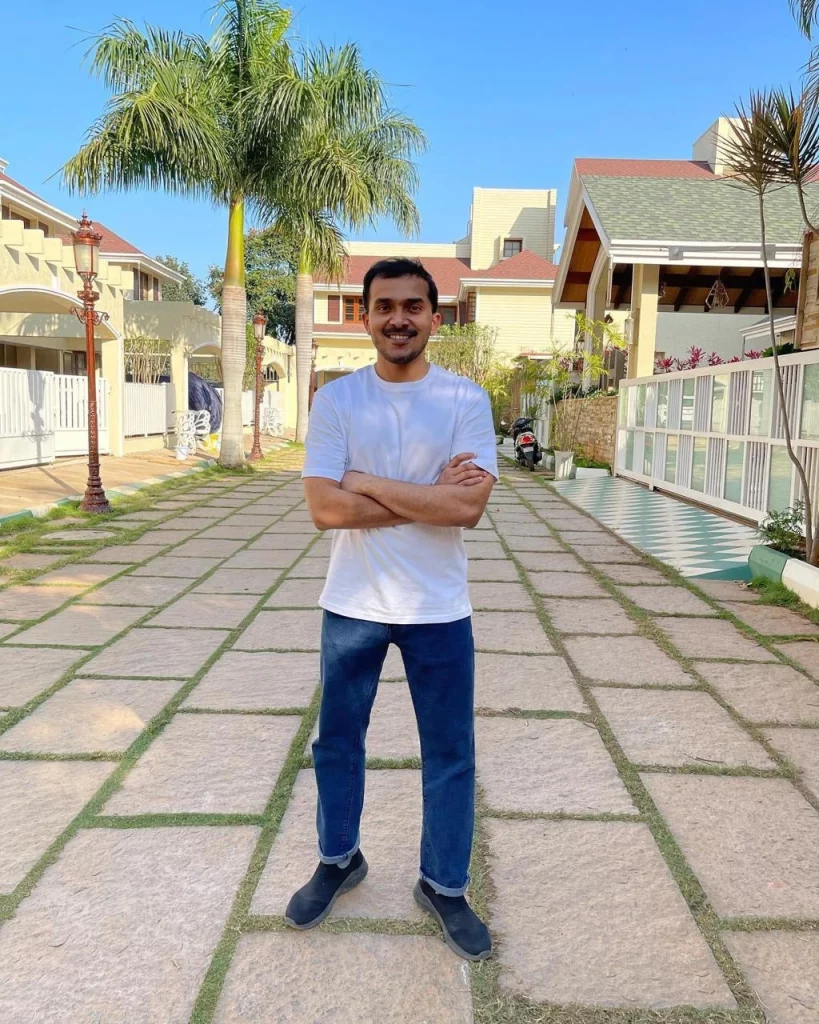
Abhineet was born and brought up in Gaya, Bihar. From a young age, he was curious about how things work: businesses, systems, people, and technology. “I was never someone who only wanted a job; I always wanted to build something of my own,” says Abhineet. Sports, especially football and tennis, were an essential part of his growing-up years.
Mental Health and Stigma
In the West, mental health is far more normalised, he feels. “People talk about therapy, anxiety, and burnout. In India, the biggest problem is still stigma. People don’t just avoid therapy because of cost or access; they avoid it because they’re scared of being judged.”
In smaller towns, there often isn’t even a psychologist available. “We simply don’t have enough physical infrastructure to serve a billion people, but technology lets us reach them.” Post-Covid, there have been far more conversations on social media around mental healthcare in India. “That has increased awareness about seeking help when needed. The industry is seeing more momentum, but it’s still early, and we have a lot of work to do.”
Cancel Stigma
Beyond business, Abhineet champions the “Cancel Stigma” movement, building communities and conversations that normalise therapy and make mental healthcare approachable, affordable, and stigma-free.
When not steering Rocket Health, he invests in his own mental wellness through therapy, journaling, and sports. “I go to therapy, and I’ve returned to it at different points in my life. It helps me reflect and understand myself better.” “I also journal, sometimes with pen and paper, sometimes with the Rocket Journal app. It helps me get thoughts out of my head and make sense of them.” A footballer and tennis enthusiast, he finds creativity and energy on the playing field, which helps him bring his best self to work.